




Table of Contents
- Introduction
- What Is a Portable Power Station?
- Key Factors That Define the “Best” Power Station
- Best Power Station by Use Scenario
- Understanding Capacity and Runtime
- Why Output Power Matters
- Battery Technology and Lifespan
- Charging Speed and Methods
- Typical Power Station Comparison
- Final Thoughts
- FAQ
Introduction
The question “what is the best portable power station?” does not have a one-size-fits-all answer. The best option depends on how you plan to use it—whether for camping, home backup, emergency preparedness, or professional applications.
In recent years, portable power stations have become essential tools for modern energy needs. They provide clean, quiet, and flexible electricity without fuel, making them ideal for both everyday use and unexpected situations.
This guide will help you understand how to evaluate portable power stations and choose the right one based on real-world scenarios rather than marketing claims.
What Is a Portable Power Station?
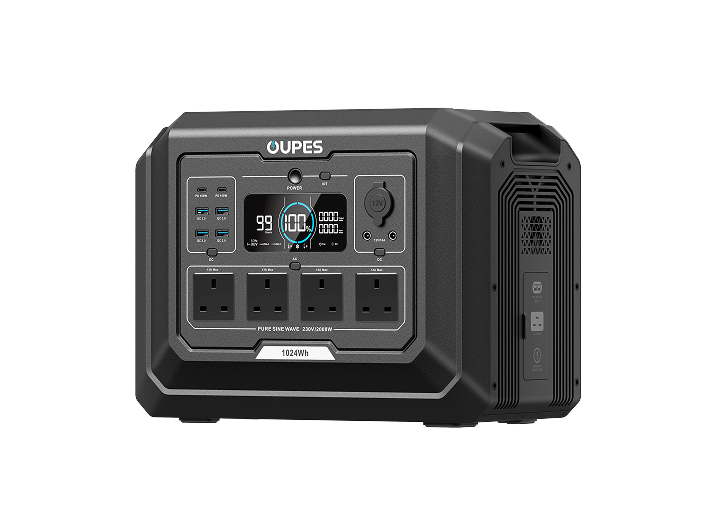
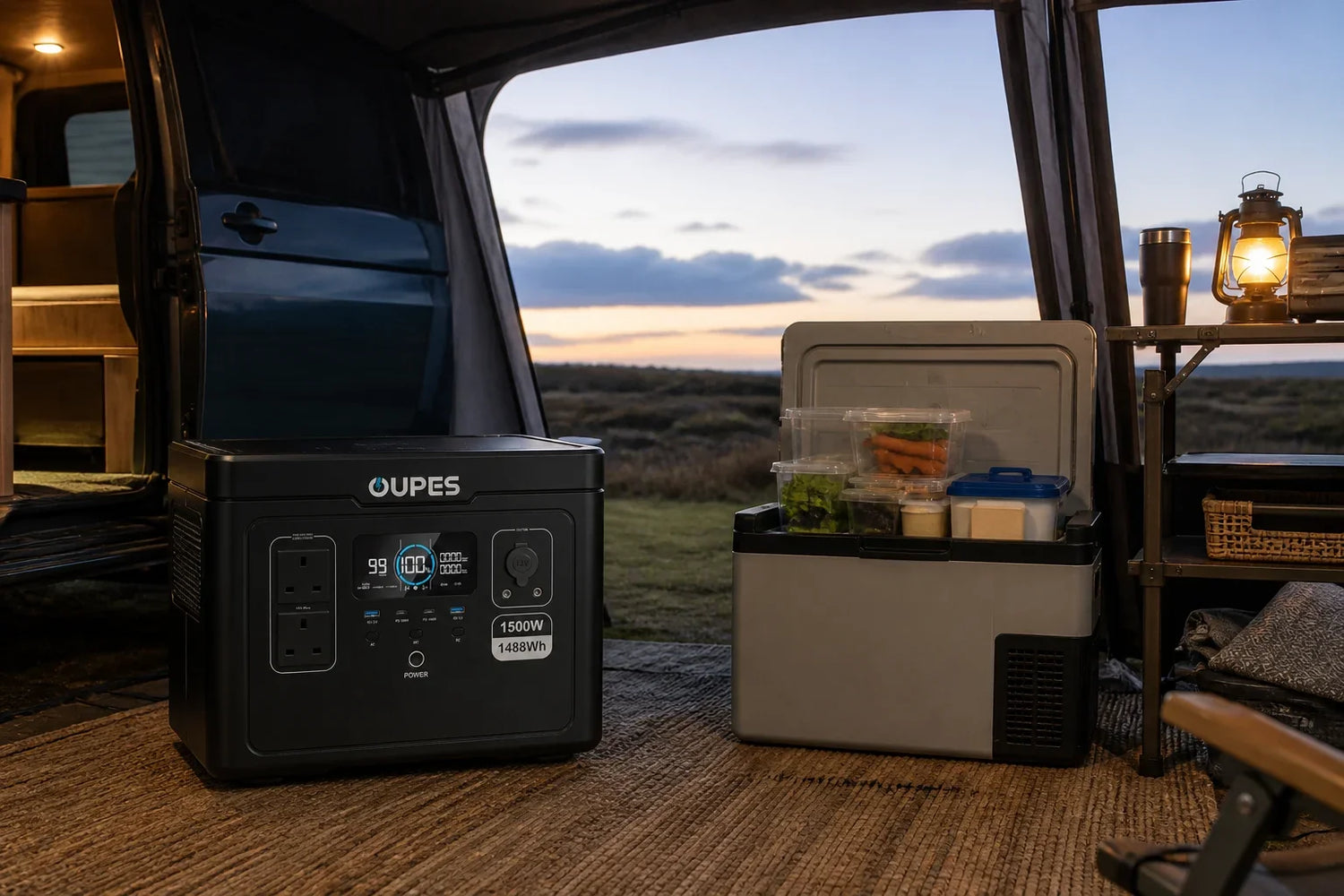
A portable power station is a rechargeable battery system that stores electricity and delivers it through multiple output ports, including AC outlets, DC ports, and USB connections. Unlike traditional generators, it does not use gasoline or produce emissions, making it safe for indoor use.
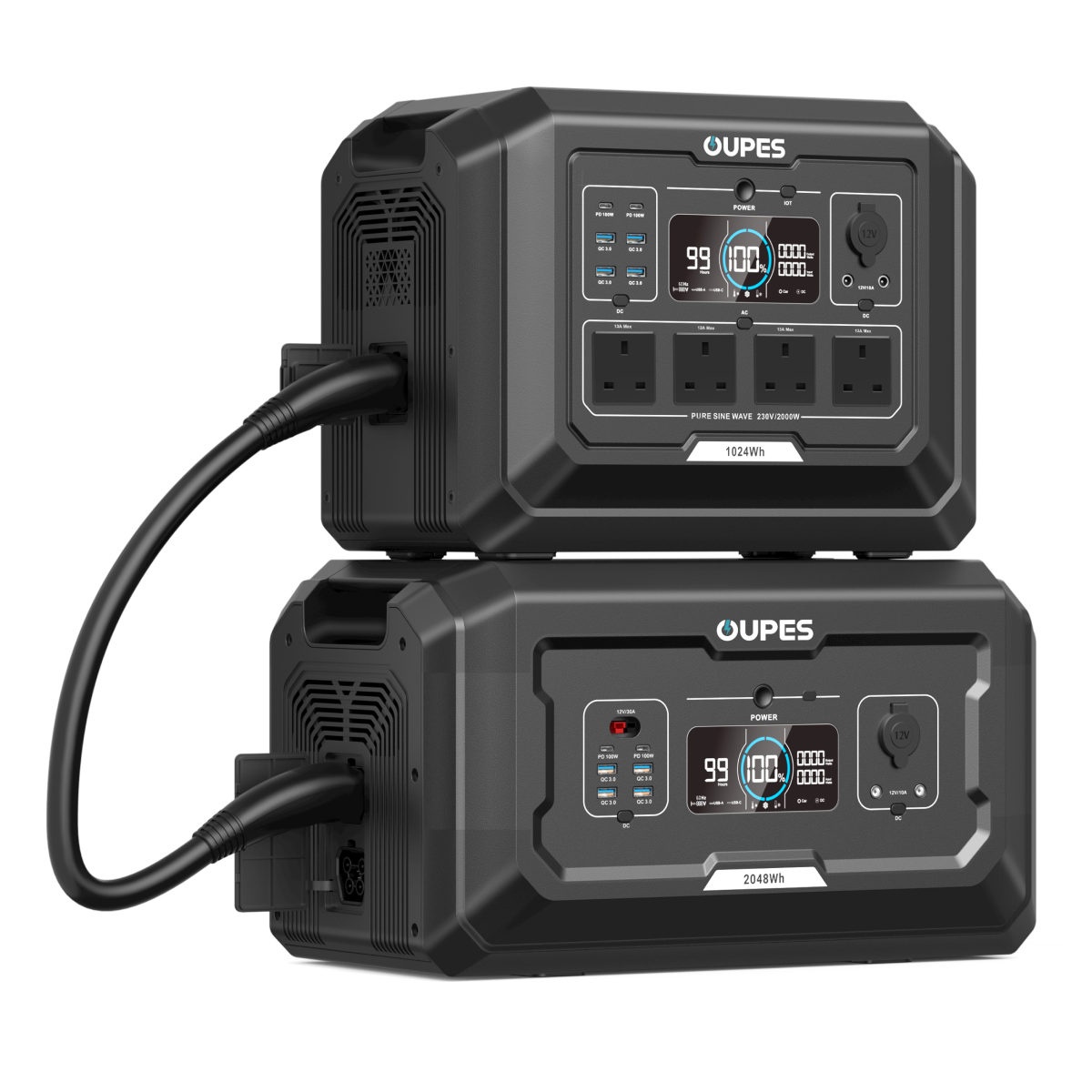
Modern systems, including those from OUPES, often support solar charging, fast AC charging, and advanced battery management systems, making them suitable for both short-term and long-term energy needs.
Key Factors That Define the “Best” Power Station
1. Battery Capacity (Wh)
Capacity determines how long the power station can run your devices. It is measured in watt-hours (Wh).
- Small: 200–1000Wh (phones, lights)
- Medium: 1000–3000Wh (laptops, small appliances)
- Large: 3000Wh+ (home backup, heavy appliances)
2. Output Power (W)
Output determines what devices you can run. High-wattage appliances require more powerful inverters.
3. Portability
Weight and size matter, especially for camping and travel use.
4. Battery Type
LiFePO4 (LFP) batteries offer longer lifespan and higher safety compared to traditional lithium-ion batteries.
5. Charging Speed
Fast charging allows you to quickly restore power between uses or during emergencies.
6. Expandability
Some systems allow additional batteries, making them more flexible for long-term use.
Best Power Station by Use Scenario
The best portable power station depends heavily on how it will be used. Here are common scenarios:
Camping & Outdoor Use
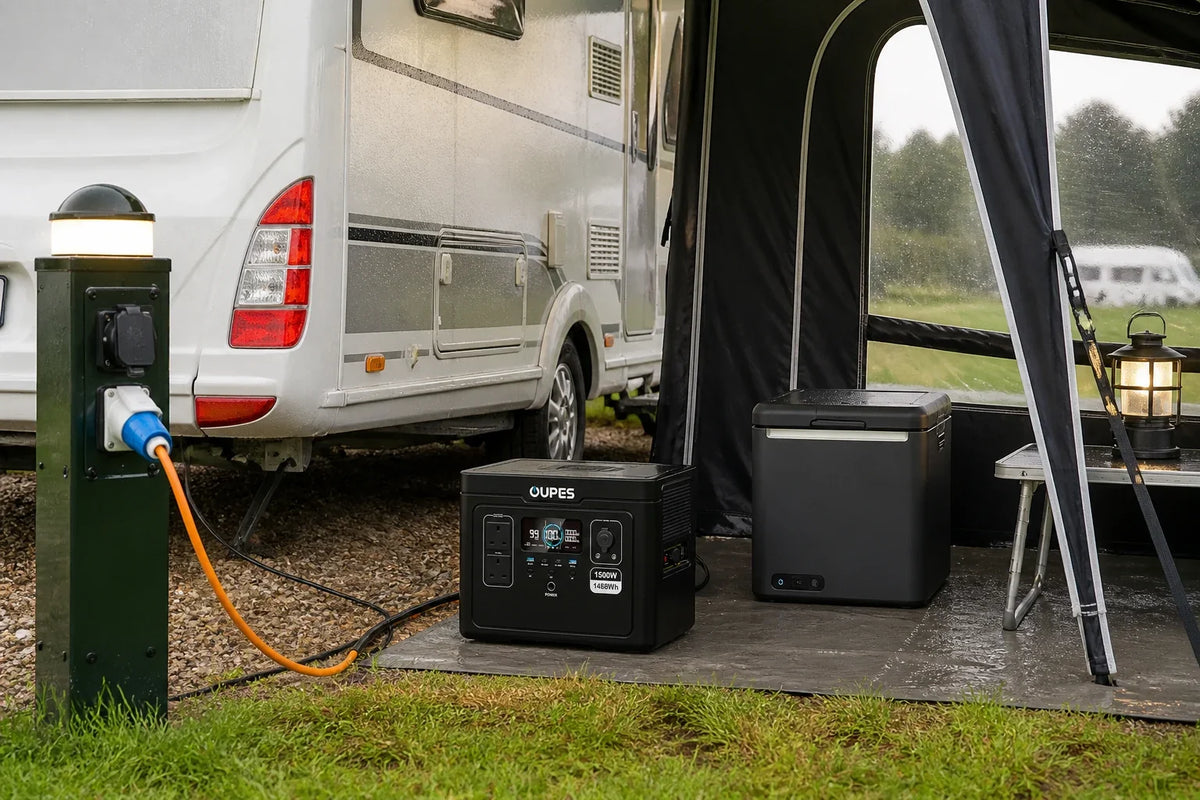
For camping, lightweight systems with moderate capacity are ideal. They should support lighting, phones, cameras, and small appliances.
Emergency Backup
During outages, reliability and capacity matter most. A mid-to-large system ensures essential devices remain powered.
Home Backup Power
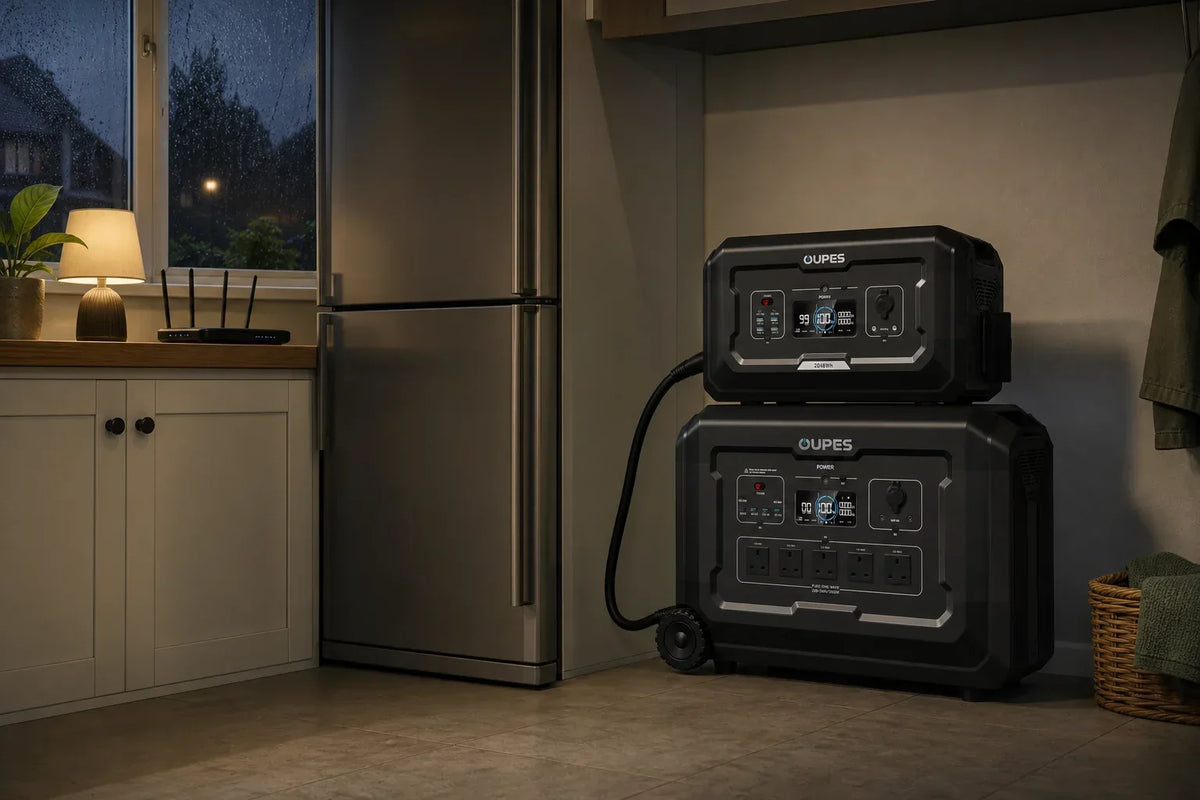
For whole-home or partial backup, high capacity and high output are essential. These systems can support refrigerators, routers, and even HVAC components.
Professional & Off-Grid Use
For demanding environments, systems with high output, fast charging, and multiple ports provide the most flexibility.
Understanding Capacity and Runtime
To estimate runtime, you can use the following formula:
Runtime (hours) = Battery Capacity × 0.8 ÷ Device Wattage
The 0.8 factor accounts for real-world efficiency losses.
Example Calculation
- 2000Wh power station running a 100W device
- Usable energy: 2000 × 0.8 = 1600Wh
- Runtime: 1600 ÷ 100 = 16 hours
This approach provides a more realistic expectation compared to theoretical values.
Why Output Power Matters
Capacity tells you how long you can run something, but output tells you whether you can run it at all.
For example:
- A 1500W output can handle most small appliances
- A 3000W+ output can run high-power devices like kettles or power tools
Choosing a system with insufficient output can limit its usefulness, even if the battery capacity is large.
Battery Technology and Lifespan
Battery type significantly affects performance and longevity.
- LiFePO4 (LFP): 3000–3500+ cycles, safer and more durable
- Lithium-ion: Typically 500–1000 cycles
For long-term investment and frequent use, LFP batteries are generally the better choice.
Charging Speed and Methods
Modern portable power stations support multiple charging methods:
- AC wall charging
- Solar panel charging
- Car charging
- Hybrid AC + solar charging
Faster charging speeds allow the system to recover quickly, which is especially useful during short sunlight windows or intermittent outages.
Typical Power Station Comparison
| Category | Capacity | Output | Best Use |
|---|---|---|---|
| Entry Level | 500–1000Wh | 500–1500W | Camping, basic backup |
| Mid Range | 1000–3000Wh | 1500–3000W | Home backup, RV |
| High Capacity | 3000Wh+ | 3000W+ | Whole-home backup, professional use |
OUPES offers solutions across these categories, allowing users to choose based on their specific needs rather than a single “best” model.
Final Thoughts
The best portable power station is not defined by one specification. It is the one that matches your real-world usage, balances capacity and output, and provides reliable performance when you need it most.
For occasional outdoor use, smaller systems may be sufficient. For emergency preparedness and home backup, larger systems with higher capacity and output provide significantly more value.
By focusing on your actual energy needs, understanding runtime calculations, and evaluating key features, you can confidently choose the right portable power station for your situation.
FAQ
1. What size portable power station do I need?
It depends on your devices. Small units are for phones and lights, while larger units can power appliances.
2. How long can a portable power station run?
Runtime depends on capacity and device power consumption. Use the 80% rule for realistic estimates.
3. Can a portable power station run a refrigerator?
Yes, if it has sufficient capacity and output (usually 2000Wh+ and 1500W+).
4. Are portable power stations safe indoors?
Yes, they produce no emissions and are safe for indoor use.
5. Can I charge a power station with solar panels?
Yes, most modern systems support solar charging.
6. How long do power stations last?
Typically 5–10 years depending on battery type and usage.
7. Is LiFePO4 better than lithium-ion?
Yes, it offers longer lifespan and improved safety.
8. Are portable power stations worth it?
Yes, they provide reliable, flexible power for emergencies, travel, and everyday use.

Leave a comment
This site is protected by hCaptcha and the hCaptcha Privacy Policy and Terms of Service apply.