




Table of Contents
- Introduction
- How Solar Panels Generate Electricity
- Key Factors That Affect Solar Output
- How Much Power Does a Solar Panel Produce Per Day?
- Real-World Output vs Theoretical Output
- How to Estimate Your Solar Power Needs
- Solar Panel Output Comparison Table
- How to Maximize Solar Generation
- Final Thoughts
- FAQ
Introduction
Solar energy is one of the most accessible and practical ways to generate electricity today. Whether you are preparing for emergencies, powering outdoor activities, or reducing your reliance on the grid, understanding how much electricity a solar panel can generate is essential.
However, the answer is not as simple as a single number. Solar output depends on multiple factors such as panel wattage, sunlight availability, installation angle, and environmental conditions. This guide explains how solar panels generate electricity, what affects their output, and how to estimate real-world performance.
How Solar Panels Generate Electricity
Solar panels convert sunlight into electricity using photovoltaic (PV) cells. When sunlight hits the panel, it excites electrons in the cells, generating direct current (DC) electricity. This electricity can then be used immediately, stored in a battery, or converted into alternating current (AC) for household use.
The rated power of a solar panel (for example, 100W, 200W, or 400W) represents its output under ideal laboratory conditions known as Standard Test Conditions (STC). In real-world situations, actual output is typically lower.
Key Factors That Affect Solar Output
1. Panel Wattage
The higher the wattage rating, the more electricity a panel can generate under ideal conditions. For example, a 400W panel produces more energy than a 100W panel when exposed to the same sunlight.
2. Sunlight Hours (Peak Sun Hours)
Solar generation depends heavily on how many hours of strong sunlight a location receives. Peak sun hours represent the equivalent number of hours per day when sunlight intensity averages 1000W/m².
Typical values:
- Sunny regions: 5–6 hours/day
- Moderate regions: 3–5 hours/day
- Cloudy regions: 2–4 hours/day
3. Weather Conditions
Clouds, rain, dust, and pollution reduce solar panel efficiency. Even partial shading can significantly decrease output.
4. Panel Angle and Orientation
Panels generate more electricity when they are directly facing the sun. Improper angles or poor positioning can reduce output by 10–30%.
5. Temperature
High temperatures can reduce panel efficiency. While panels need sunlight, excessive heat can slightly lower performance.
How Much Power Does a Solar Panel Produce Per Day?
You can estimate daily solar generation using a simple formula:
Daily Output (Wh) = Panel Wattage × Peak Sun Hours
For example:
- 100W panel × 5 hours = 500Wh per day
- 200W panel × 5 hours = 1000Wh per day
- 400W panel × 5 hours = 2000Wh per day
However, this represents ideal output. In real-world usage, efficiency losses should be considered.
Real-World Output vs Theoretical Output
In practical scenarios, solar panels typically achieve around 70%–85% of their rated output. Losses come from inverter inefficiency, temperature, shading, dust, and wiring.
A more realistic formula is:
Real Output ≈ Rated Output × 0.75
Example:
- 400W panel theoretical: 2000Wh/day
- Real output: ~1500Wh/day
This adjustment helps provide a more accurate expectation for real-world usage.
How to Estimate Your Solar Power Needs
To determine how much solar energy you need, start by calculating your daily electricity usage.
Example Household Usage
| Device | Power | Daily Use | Energy (Wh) |
|---|---|---|---|
| LED Light | 10W | 5 hours | 50Wh |
| Laptop | 60W | 4 hours | 240Wh |
| Mini Fridge | 100W | 8 hours | 800Wh |
| Total | - | - | 1090Wh |
In this case, you would need roughly 1100Wh per day. With real-world efficiency, a 300W–400W solar setup would typically be required.
Solar Panel Output Comparison Table
| Panel Size | Peak Sun Hours | Theoretical Output | Real Output (~75%) |
|---|---|---|---|
| 100W | 5 hours | 500Wh | 375Wh |
| 200W | 5 hours | 1000Wh | 750Wh |
| 400W | 5 hours | 2000Wh | 1500Wh |
| 800W | 5 hours | 4000Wh | 3000Wh |
How to Maximize Solar Generation
- Place panels in direct sunlight with minimal shading
- Adjust tilt angle based on season and location
- Clean panels regularly to remove dust and debris
- Use high-efficiency solar panels and proper wiring
- Combine solar panels with battery storage for better utilization
Even small improvements in setup can significantly increase total energy output over time.
Final Thoughts
So, how much electricity can a solar panel generate? The answer depends on multiple factors, but a practical rule is that a panel will produce about 70%–85% of its rated capacity under real-world conditions.
By understanding panel wattage, sunlight availability, and system efficiency, you can estimate solar output more accurately and design a setup that matches your needs. Whether for home backup, outdoor use, or energy independence, solar power becomes much more predictable when you understand how it works in real conditions.
FAQ
1. How much electricity does a 100W solar panel produce?
Typically around 300–500Wh per day depending on sunlight conditions.
2. Can solar panels generate electricity on cloudy days?
Yes, but output is reduced, usually to 10–50% of normal production.
3. How many solar panels do I need for a home?
It depends on your daily energy consumption and available sunlight.
4. Do solar panels work at night?
No, they require sunlight. Energy must be stored in batteries for nighttime use.
5. What affects solar panel efficiency the most?
Sunlight intensity, shading, temperature, and installation angle.
6. Is it worth investing in solar panels?
Yes, especially for long-term savings, backup power, and energy independence.
7. How long do solar panels last?
Most panels last 20–25 years with gradual efficiency decline.
8. Can I use solar panels during power outages?
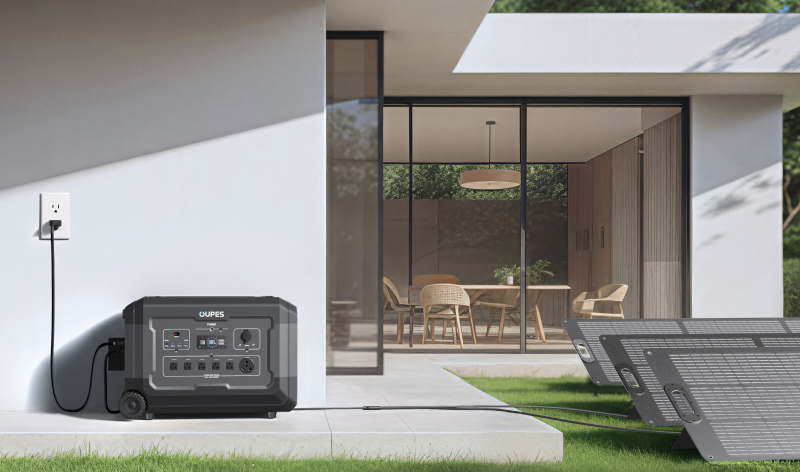
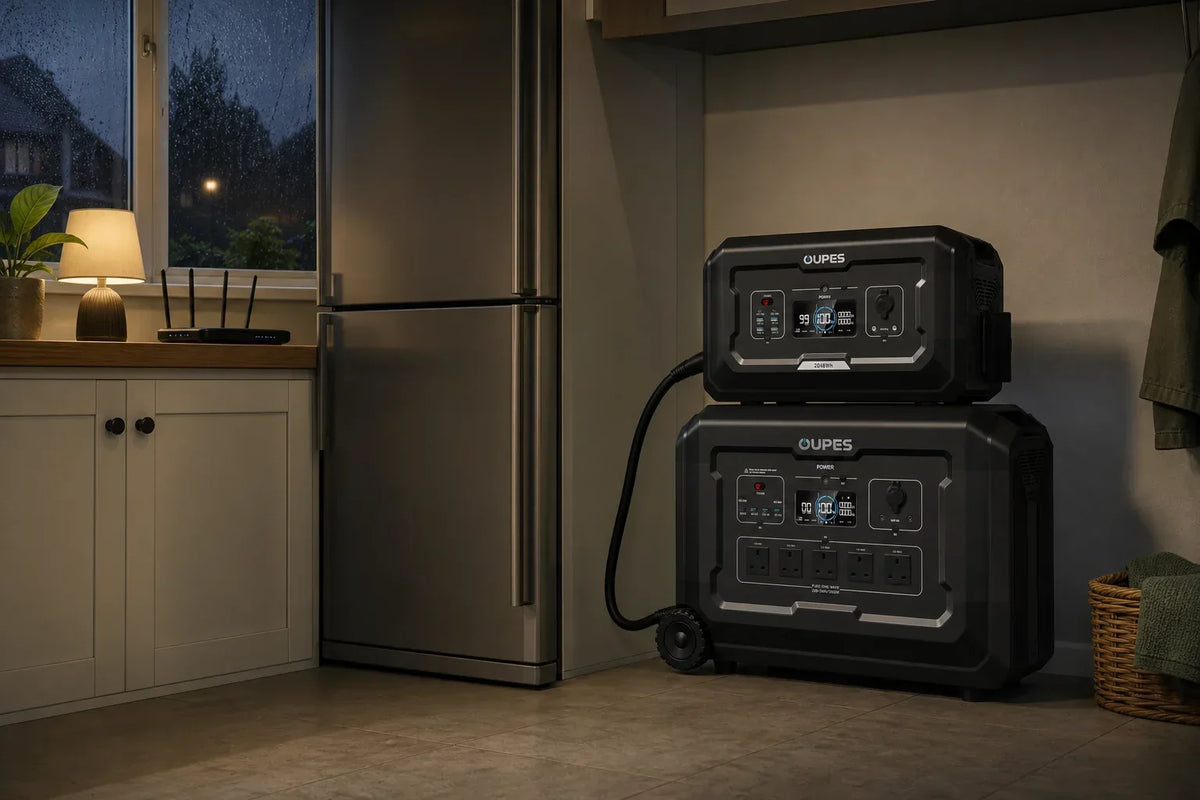
Yes, if paired with a battery system or portable power station.

Leave a comment
This site is protected by hCaptcha and the hCaptcha Privacy Policy and Terms of Service apply.