





In many cases, yes, solar can add value to a home in the UK. But it usually does so in a practical, layered way rather than through a simple guaranteed price premium. Solar can improve a property’s appeal by reducing electricity bills, supporting a stronger energy-efficiency story, creating income from exported electricity through the Smart Export Guarantee, and making the home feel more future-ready in a market where running costs matter more than they used to.[1][2][3]
That distinction matters. Asking whether solar “adds value” is not the same as asking whether every solar installation increases a home’s sale price by a fixed amount. It does not. The real answer depends on system quality, ownership, roof suitability, EPC impact, and whether buyers can clearly understand the benefits. In other words, solar adds value most effectively when it improves both the economics and the marketability of the home.
Table of Contents
- The short answer
- Why solar matters more in the UK housing market now
- Bill savings are the first source of value
- The EPC effect: why energy ratings matter
- Export income and the Smart Export Guarantee
- Cost, payback, and buyer psychology
- When solar adds more value
- When solar adds less value
- Where OUPES fits into the wider conversation
- Bottom line
- References
- FAQ
The short answer
Solar often adds value to a UK home, but usually through a combination of lower running costs, better perceived efficiency, and stronger buyer appeal, rather than through a guaranteed resale formula. Energy Saving Trust says solar panels can reduce electricity bills because sunlight is free once the system has been installed, while Ofgem’s Smart Export Guarantee allows eligible households to be paid for electricity they export to the grid.[1][2] GOV.UK also makes clear that Energy Performance Certificates are central to selling or renting most homes, which means the energy story of a property is highly visible at the point of sale.[3]
So the best short answer is this: solar usually helps value when it helps the home look cheaper to run, more efficient, and more relevant to the direction the UK housing market is moving.
Why solar matters more in the UK housing market now
The UK policy and energy-cost environment has made home energy performance much more important. The Government’s Warm Homes Plan describes cheap, clean power in the home through solar panels, battery storage, clean heat, and energy efficiency as part of the route to lower bills and greater energy security.[4] That does not directly prove a house-price premium, but it does show the direction of travel: buyers are increasingly aware that home energy costs are not a side issue. They are part of the property’s overall value.
This helps explain why solar is not just a “green feature.” In the UK, it is increasingly seen as a practical household upgrade. A buyer comparing two similar homes may not know every detail of panel efficiency or inverter performance, but they usually understand the basic logic of lower bills and better energy resilience. That makes solar easier to appreciate than some upgrades whose financial benefits are harder to see.
| Why Solar Can Matter to Buyers | Why It Adds Value |
|---|---|
| Lower electricity bills | Reduces expected monthly running costs |
| Potential EPC improvement | Supports a better visible energy-efficiency profile |
| Export payments | Creates extra financial usefulness for surplus electricity |
| Future-readiness | Makes the property feel more aligned with long-term energy trends |
Bill savings are the first source of value
The clearest way solar adds value is by lowering purchased electricity. Energy Saving Trust states that a typical domestic solar panel system in the UK is around 3.5 kWp and costs around £6,100.[1] It also explains that savings depend on how much solar electricity the household uses itself, whether it receives export payments, and where in the UK it is located, since southern areas generally receive more direct sunlight.[1]
This is important because buyers do not think only in terms of resale price. They also think in terms of ownership cost. A home with solar may not always command a dramatic premium, but it can still be more desirable because the buyer expects lower bills over time. That matters especially in periods when energy prices feel uncertain or high.
In practice, this means the value of solar is partly a cash-flow value. It is not only about what a buyer pays for the house on day one. It is also about what the buyer expects to save in the months and years that follow.
The EPC effect: why energy ratings matter
In the UK housing market, one of the biggest channels through which solar can add value is the Energy Performance Certificate. GOV.UK says an EPC tells you how energy efficient a property is, gives it a rating from A (best) to G (worst), includes information about energy use and typical energy costs, and is generally valid for 10 years.[3] You must generally have an EPC when selling, renting out, or building a new property.[3]
That matters because EPCs are visible, understandable, and embedded in the sales process. Many buyers may not know the details of a solar installation, but they do notice whether a property appears more energy efficient. Solar therefore adds value not only through generation, but also through presentation. It helps support a stronger efficiency narrative at exactly the moment the buyer is comparing one home with another.
There is also some market evidence that better EPC performance is associated with higher value. Rightmove reported that homes improving from lower EPC bands to a C rating saw higher sold prices on average, with reported uplifts of 4% from D to C, 8% from E to C, and 16% from F to C in its study of more than 200,000 homes.[5] That does not prove solar alone creates those premiums, but it does show why energy performance has become a genuine housing-market factor.
| What the EPC Does | Why It Matters for Solar |
|---|---|
| Shows an A-to-G efficiency rating | Helps buyers compare homes quickly |
| Includes typical energy-cost information | Supports the lower-bills case for solar |
| Is required in most sales and lettings situations | Makes efficiency part of the transaction, not an optional side detail |
Export income and the Smart Export Guarantee
Another reason solar can add value is that it can turn excess generation into income. Ofgem says the Smart Export Guarantee launched on 1 January 2020 and requires certain electricity suppliers to pay eligible small-scale generators for low-carbon electricity exported to the National Grid, provided the relevant criteria are met.[2]
This changes how buyers think about surplus electricity. Without an export mechanism, unused solar generation is harder to monetise. With the SEG, exported power has financial relevance. That does not mean every household earns a large amount, and it does not mean export income alone will transform resale value. But it does strengthen the overall business case for solar, which in turn supports buyer interest.
From a resale perspective, the SEG matters less as a “profit centre” and more as a signal that the system has ongoing practical value. A buyer does not need to become an energy trader to appreciate that unused electricity is still economically useful.
Cost, payback, and buyer psychology
A solar system still has to make financial sense. Energy Saving Trust’s guidance says a typical 3.5 kWp domestic system costs around £6,100, and its examples show typical payback periods ranging from roughly 9 to 15 years depending on location and home occupancy patterns.[1] It also notes that the payback figures are based on export payments and on fuel prices current at the time of calculation.[1]
This is where buyer psychology becomes important. Most buyers do not run a full discounted cash-flow model when viewing a property. They do, however, care about whether a feature looks financially sensible. A well-installed solar system that appears credible, documented, and easy to understand usually feels like a practical asset. A poorly explained or aging system may feel less valuable, even if it still works.
That is why solar’s value is often strongest when the seller can show a simple story: how large the system is, when it was installed, what paperwork exists, how much electricity it produces, whether export arrangements are in place, and what the household has been saving. The easier the system is to understand, the easier it is for a buyer to value.
When solar adds more value
Solar tends to add more value when several conditions come together:
- the system is owned outright and easy to transfer with the property
- the roof is suitable, well maintained, and not heavily shaded
- the installation is visually tidy and professionally documented
- the home has a stronger EPC story because of the solar and related efficiency measures
- the seller can demonstrate either real savings or a believable savings profile
The stronger the system’s contribution to the home’s overall energy story, the more likely it is to support value. Solar adds the most when it fits naturally into a broader picture of a home that is cheaper to run and better prepared for the future.
When solar adds less value
Solar may add less value when the system is old, poorly documented, visually awkward, heavily shaded, or difficult for buyers to assess. It may also have a weaker impact where the EPC does not improve meaningfully, the local market is less responsive to energy features, or the seller assumes the buyer will pay back the full installation cost pound for pound.
That last point is important. A solar installation costing around £6,100 does not automatically add £6,100 to the sale price just because that was the purchase cost.[1] Housing markets do not work like receipt reimbursement. The value of solar is filtered through market demand, buyer confidence, running-cost expectations, and energy-performance perception.
Where OUPES fits into the wider conversation
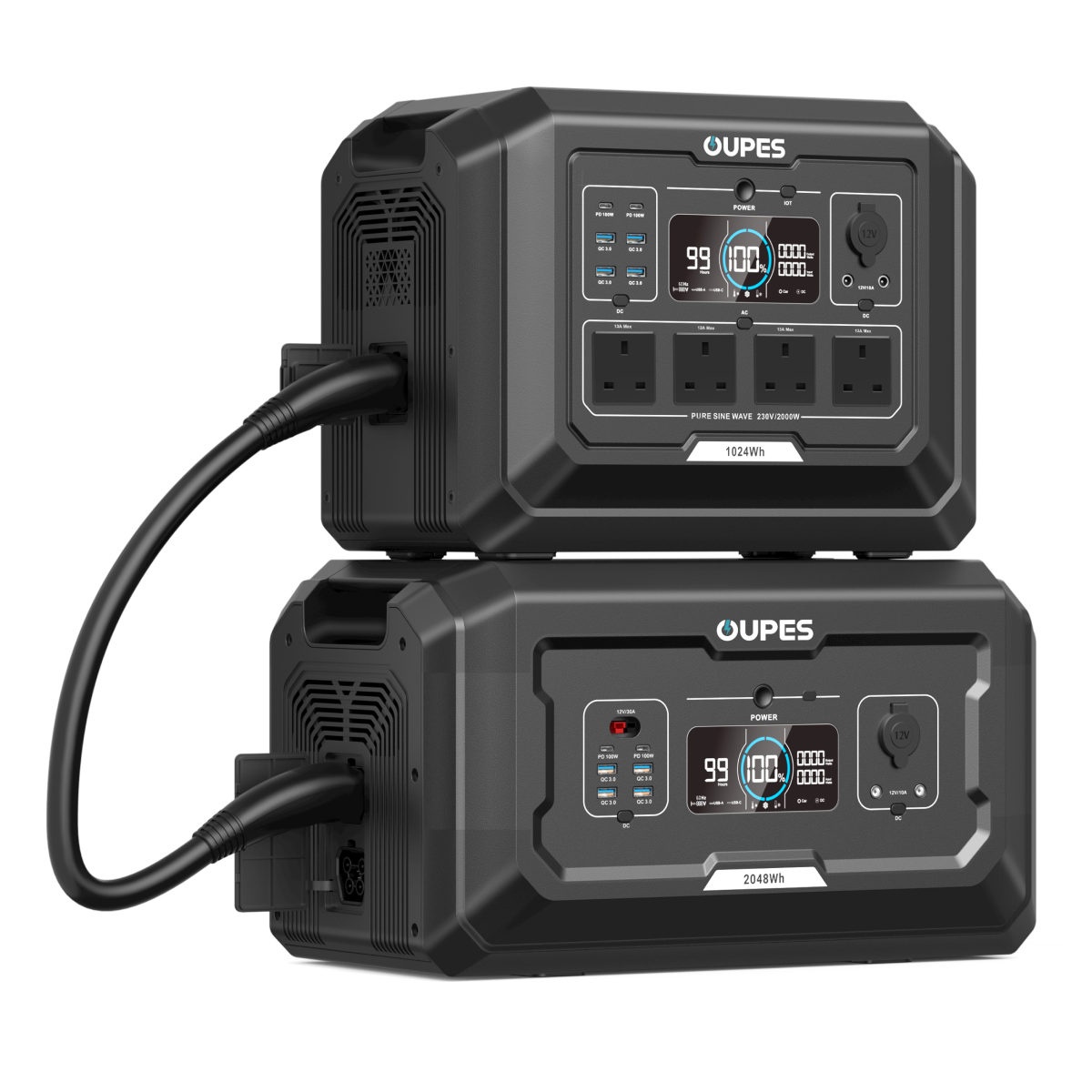
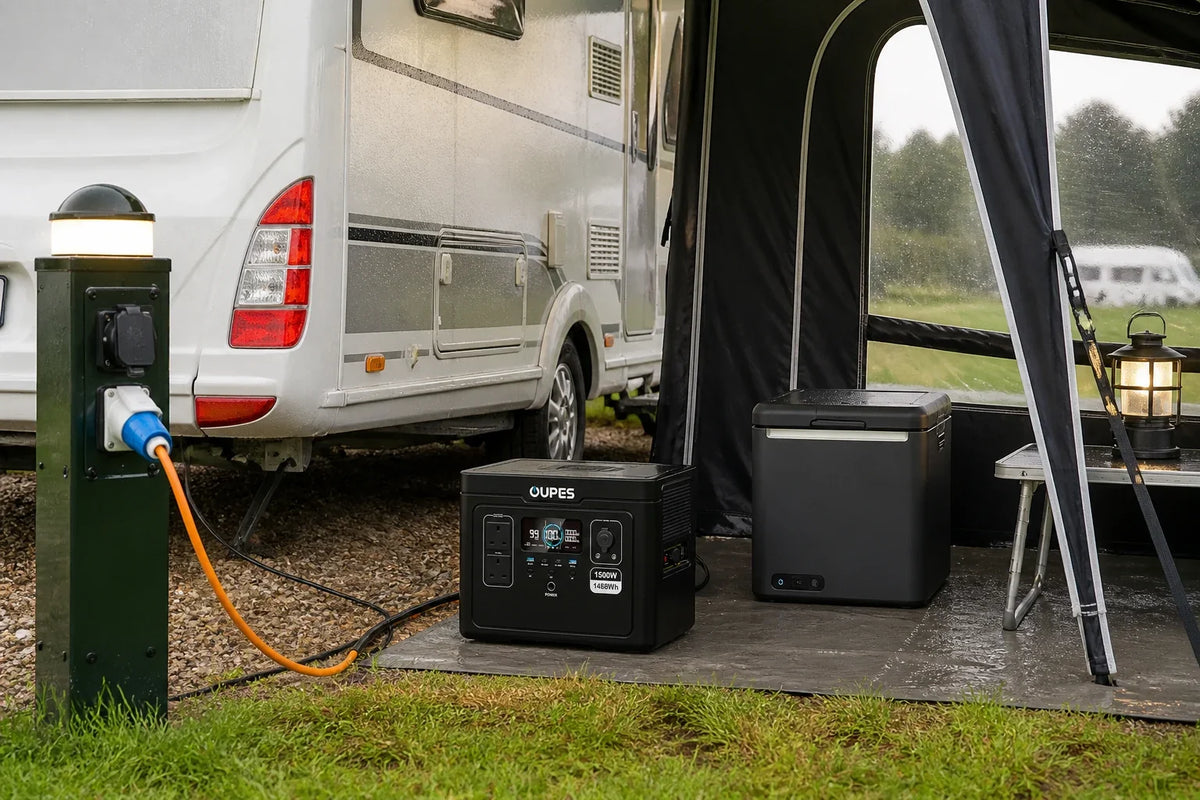
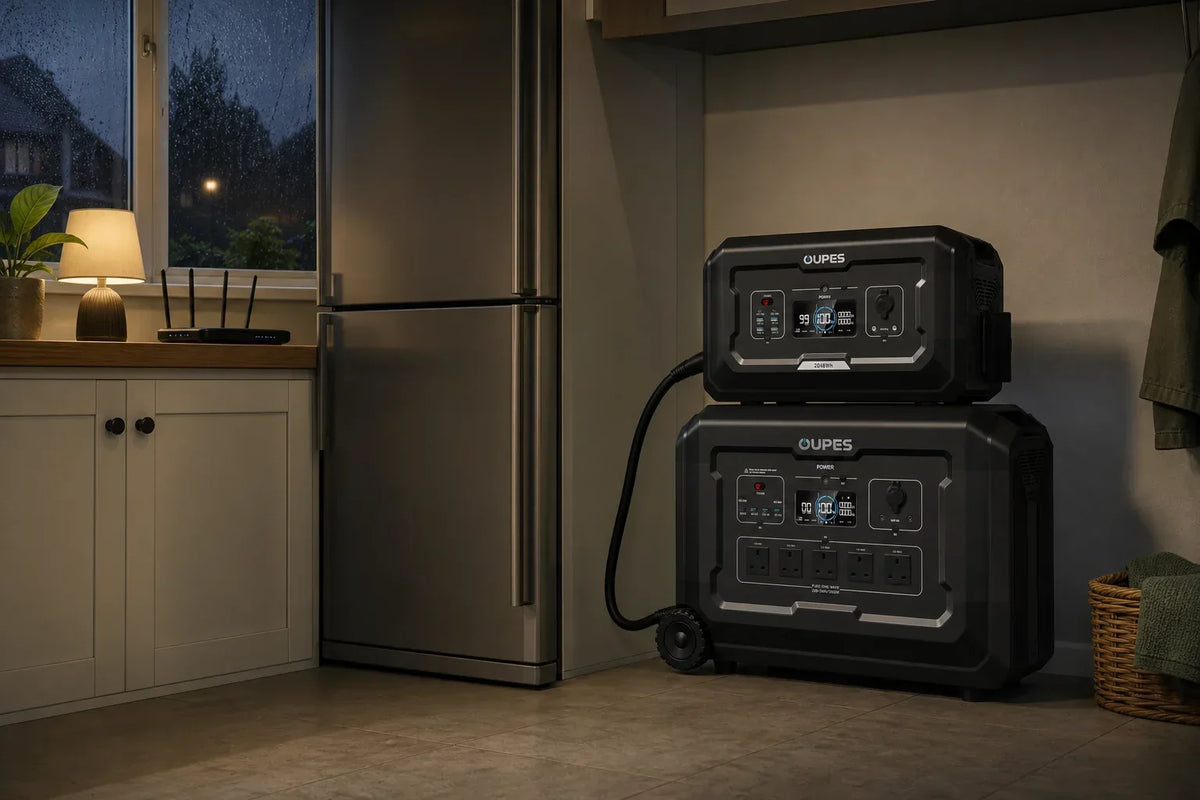
Although rooftop solar is a fixed home upgrade and not the same thing as a portable energy system, OUPES still fits naturally into this broader conversation about household energy resilience. On its official site, OUPES positions itself around home backup power, portable solar generators, and reliable energy solutions for outages and everyday flexibility.[6]
That matters conceptually because the modern home-energy discussion is no longer only about generation. It is increasingly about how homes use, store, and manage electricity. In that sense, OUPES belongs to the same wider trend that makes solar more valuable in the first place: lower energy anxiety, greater backup readiness, and stronger consumer interest in energy independence.
So while rooftop solar may be the main value-adding feature in a property sale, the broader market interest behind it also supports growing attention to home backup and energy-storage solutions. That is one reason the idea of “value” today often extends beyond pure resale and into resilience, convenience, and preparedness.
Bottom line
So, does solar add value to your home in the UK? In many cases, yes. But the best answer is not that solar creates a fixed premium. It is that solar usually becomes valuable when it helps the home look cheaper to run, more efficient on paper, and more attractive to energy-conscious buyers.[1][2][3]
The strongest case is not “solar always increases price by X.” The strongest case is that solar supports a more convincing home-efficiency story in a UK market where energy performance matters more than before. That makes it a meaningful asset, even if the exact resale uplift varies from one property to another.
References
- Energy Saving Trust — Solar panels: costs, savings and benefits explained
- Ofgem — Smart Export Guarantee (SEG)
- GOV.UK — Selling a home: Energy Performance Certificates
- GOV.UK — Warm Homes Plan
- Rightmove — Green upgrades help sellers pocket up to 16% more for their home
- OUPES Official Website
FAQ
1. Do solar panels always increase the value of a UK home?
No. Solar often helps, but it does not guarantee a fixed premium. The impact depends on system quality, documentation, buyer demand, EPC relevance, and how clearly the financial benefits can be understood.
2. Is solar value mainly about lower bills or resale price?
Usually both, but lower bills are often the first and clearest source of value. Resale benefit tends to follow when those savings strengthen the property’s overall appeal.
3. Why does the EPC matter so much?
Because it is a visible part of the home-selling process in the UK. Buyers can quickly see the rating, typical energy-cost information, and efficiency recommendations, which makes the home’s energy story easier to compare.[3]
4. Does the Smart Export Guarantee make solar more valuable?
It can. The SEG means eligible exported electricity can be paid for, which improves the financial usefulness of a solar system and supports its overall value proposition.[2]
5. How much does a typical UK home solar system cost?
Energy Saving Trust says a typical domestic system is around 3.5 kWp and costs about £6,100, although actual prices vary by roof access, installation complexity, and system design.[1]
6. How long does solar usually take to pay back in the UK?
Energy Saving Trust’s examples indicate around 9 to 15 years, depending on location and whether the household is at home to use more of the electricity it generates.[1]
7. How should a seller present solar to a buyer?
Provide clear paperwork, explain the system simply, show how it supports lower bills, and make the EPC and any export arrangements easy to understand. The easier it is for a buyer to trust the system, the easier it is for the system to add value.


Leave a comment
This site is protected by hCaptcha and the hCaptcha Privacy Policy and Terms of Service apply.