


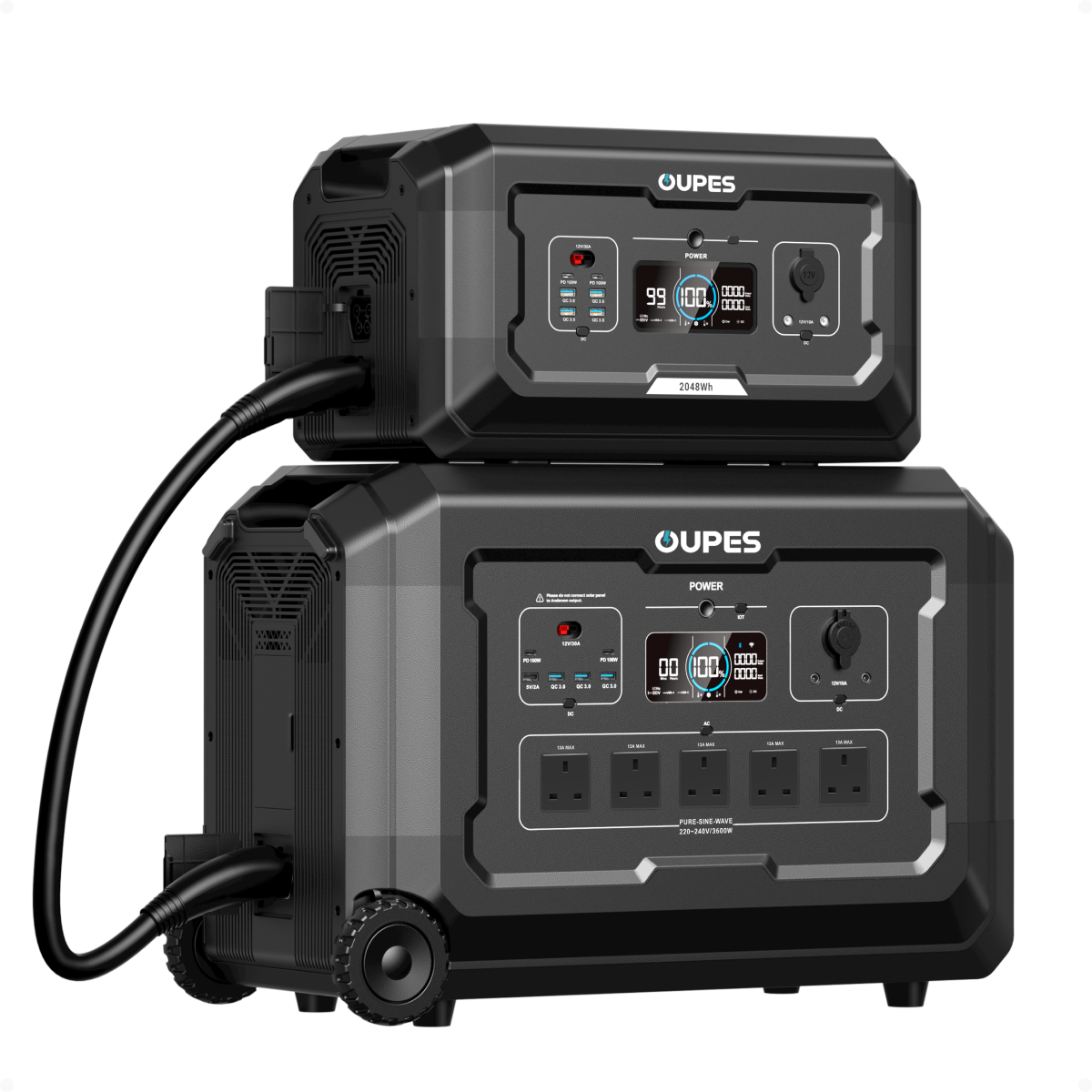
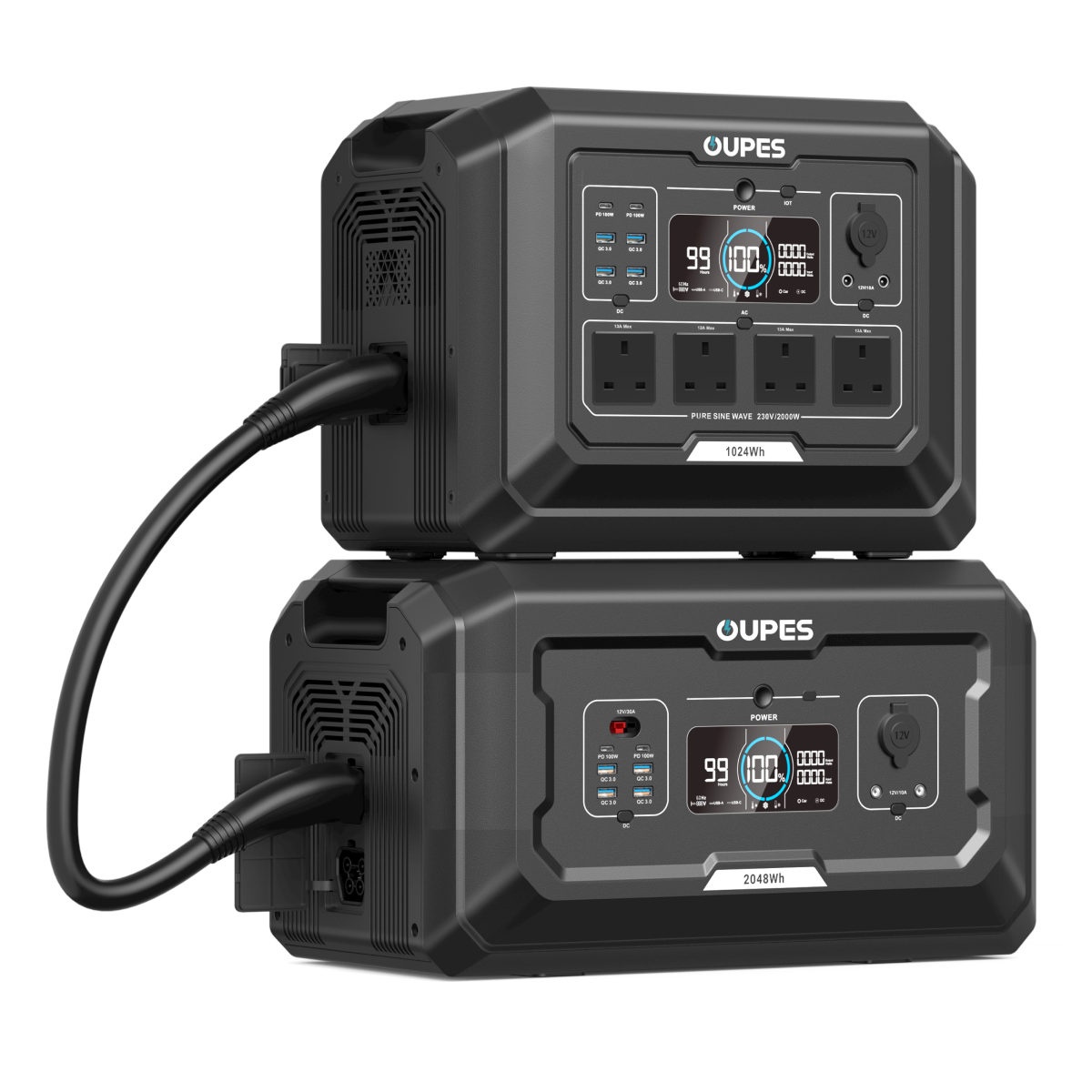

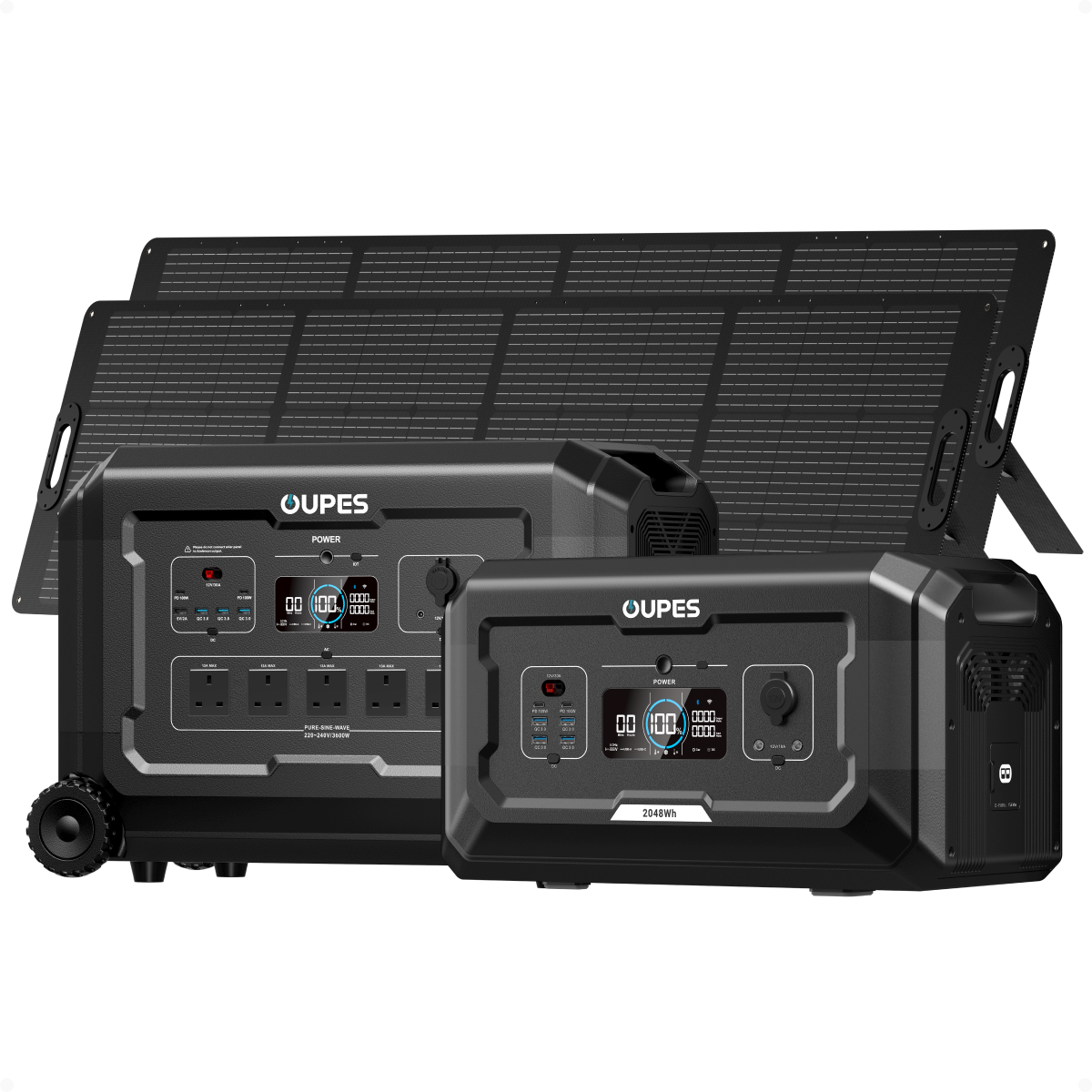


Power outages and outdoor trips can leave you in the dark (literally).
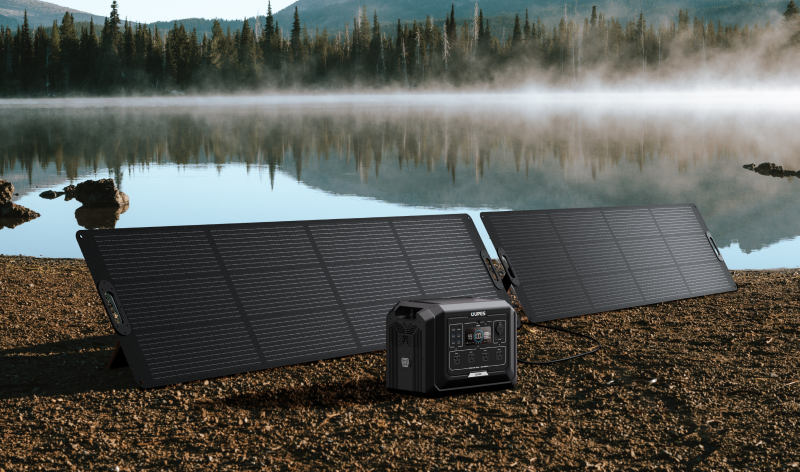
Solar-powered generators offer a clean, reliable solution that works anywhere sunlight is available.
They run quietly, need no fuel, and produce zero emissions. You can use them at home, on the road, or even in remote spots.
Solar energy is giving people a new level of independence.
Here, we’ll break down what solar generators do, how they function, and why OUPES is making this eco-friendly technology practical and accessible for everyone.
What Is a Solar Powered Generator?
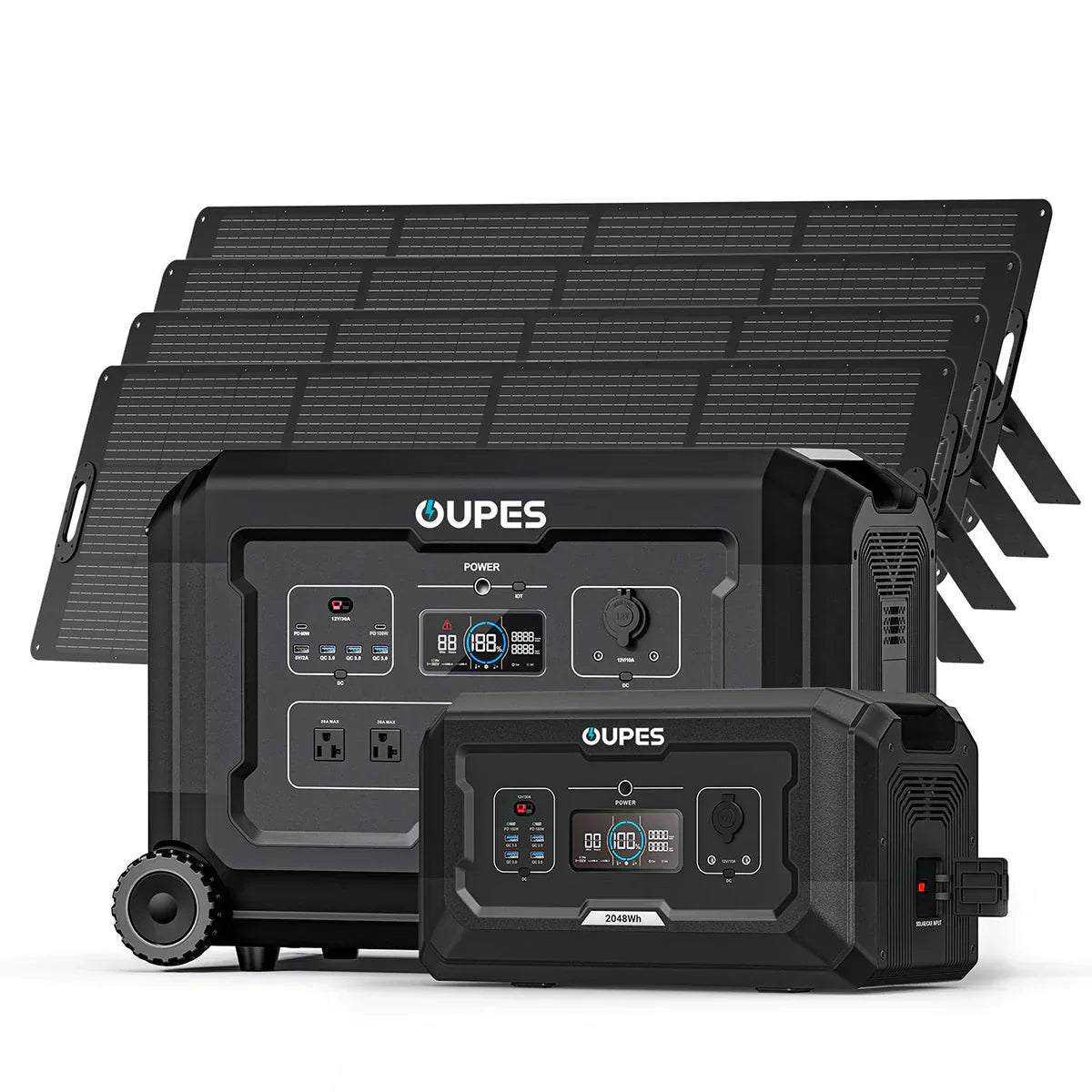
A solar powered generator is a portable energy system that captures sunlight, stores it in a rechargeable battery, and converts it into usable electricity. It usually consists of three main components:
1. Solar Panels – Collect sunlight and convert it into direct current (DC) electricity.
2. Battery Storage – Stores the electricity, typically using lithium-based technology.
3. Inverter – Converts DC electricity into alternating current (AC), which most household devices use.
Unlike gas or diesel generators, solar-powered units don’t need constant refueling. Once charged, they can power lights, refrigerators, laptops, medical devices, and even tools—without noise or fumes.
Why Choose a Solar Generator Over Gas Generators?
For decades, gasoline and diesel generators have been the go-to backup power option. But times are changing. Here’s why more people are switching to solar:
● Eco-Friendly: Zero emissions, unlike gas which releases harmful pollutants.
● Quiet Operation: Perfect for residential areas and campgrounds.
● Cost-Saving: No recurring fuel costs—sunlight is free.
● Safe Indoors: No carbon monoxide risk, unlike fuel-powered alternatives.
● Low Maintenance: Fewer moving parts mean less wear and tear.
Solar generators have proven especially valuable during extended power outages, where fuel supply may run out but sunlight is always available.
What to Check Before Buying a Solar Generator
When evaluating solar generators, consider these factors:
● Battery Type: LiFePO4 (Lithium Iron Phosphate) batteries are considered the gold standard. They are safer, longer-lasting, and more stable than standard lithium-ion.
● Capacity (Wh): Determines how much energy can be stored. Higher capacity is ideal for home backup; lower capacity suits camping or short trips.
● Output (W): Defines how many and what type of devices you can run simultaneously.
● Charging Options: Look for fast AC charging, high solar input, and pass-through charging for flexibility.
● Safety Features: Overvoltage, overcurrent, and short-circuit protection ensure peace of mind.
● Portability: Lightweight, compact designs are best for travel and outdoor use.
OUPES: Affordable Solar Power Solutions
One company making waves in this space is OUPES. OUPES has focused for over a decade on building affordable, reliable solar generators without compromising quality.
Unlike many competitors, OUPES controls its own production facilities, keeping costs down while maintaining strict quality standards. Their product lineup is divided into two main series:
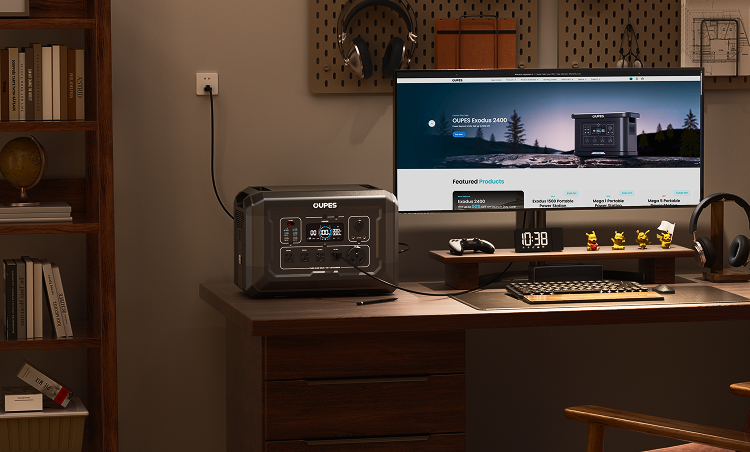
● Mega Series – High-capacity units designed for home backup. For example, the Mega 1 (1,024Wh, 2,000W output) delivers dependable performance at just $1,499.
● Exodus Series – Portable models for camping and outdoor adventures, starting at only $449.
Independent reviewers have consistently praised OUPES for its value. The Mega 1 was named “Best Affordable Solar Generator” by Solar Reviews in 2025. Customers agree too—over 77% of reviews on Trustpilot are 5 stars.
With a 5+1 year warranty, lifetime support, and U.S.-based customer service, OUPES proves that solar power doesn’t have to be out of reach for everyday households.
Real-Life Applications of Solar Generators
A solar powered generator is more than just a gadget—it can be a lifeline in multiple situations. Here’s how people are using them:
1. Emergency Preparedness
During hurricanes, wildfires, or grid failures, a solar generator provides critical backup. You can keep phones charged, run a fridge, and power medical equipment.
2. Home Backup Power
With rolling blackouts becoming more common, families use solar systems to keep essential devices running until the grid is restored.
3. Outdoor Adventures
Campers, RV travelers, and off-grid explorers rely on compact solar units for lighting, cooking equipment, and even CPAP machines.
4. Professional Work Sites
Construction crews, event organizers, and field researchers use portable solar power to run tools and electronics in remote areas.
How to Size the Right Solar Generator for Your Needs
Choosing the right unit depends on your lifestyle.
● For Camping/Travel: 500–1,000Wh capacity is usually enough for phones, cameras, and small appliances.
● For Short Home Outages: 1,000–2,000Wh with at least 2,000W output covers essentials like lights, Wi-Fi, and refrigerators.
● For Extended Blackouts: 2,000–3,500Wh units, like the OUPES Mega 5, provide longer coverage.
● For Work Sites: High-output models with multiple charging ports can handle power tools and heavy electronics.
Comparing OUPES to Competitors
Premium brands like EcoFlow, Jackery, and Goal Zero dominate the solar generator market. But their high prices put them out of reach for many families.
OUPES positions itself as the affordable alternative, offering similar or better features at lower costs.
For example:
● OUPES Mega 1 delivers a 2,000W inverter with expandable battery options, while costing hundreds less than a comparable EcoFlow or Goal Zero unit.
● OUPES systems also come with longer warranties and faster AC charging, which some premium brands lack.
This combination of affordability, reliability, and support explains why OUPES is becoming a trusted name in solar energy.
The Next Era of Solar Generators
The demand for solar generators will continue to grow. Rising energy costs, more frequent weather-related outages, and a global push for sustainability are accelerating adoption.
As battery technology improves, expect even higher capacities, faster charging times, and better portability.
FAQs About Solar Powered Generators
1. How long do solar powered generators last?
Most high-quality units using LiFePO4 batteries, like OUPES, last for 10 years or more with regular use.
2. Can a solar generator run a refrigerator?
Yes. Models with at least 1,000–2,000W output can run standard fridges during outages.
3. How long does it take to charge a solar generator?
It depends on the model. OUPES units can charge via AC in 1–1.5 hours or through solar panels in several hours, depending on sunlight and panel capacity.
4. Are solar generators safe to use indoors?
Absolutely. They produce no carbon monoxide or toxic fumes, making them safe for indoor use.
5. What makes OUPES different from other solar generator brands?
OUPES combines affordability with premium features like LiFePO4 batteries, fast charging, long warranties, and U.S.-based support.
6. Can I expand the capacity of a solar generator?
Yes. Some OUPES models, like the Mega series, allow for expandable battery systems.
7. Do solar generators work on cloudy days?
Yes, but charging will be slower. Many users combine solar input with AC charging for reliability.
camping solar generator, camping solar panels, OUPES solar generator, Portable Solar Generator, portable solar panel, portable solar power, solar generator, solar generators, solar power, solar power generator, solar power station,

Leave a comment
This site is protected by hCaptcha and the hCaptcha Privacy Policy and Terms of Service apply.