





Table of Contents
- Why Reduce Electricity Usage?
- Understanding Your Energy Consumption
- Top Ways to Reduce Electricity Usage
- Using Solar Generators and Portable Power Stations
- Smart Home Technology and Energy Management
- Appliance Efficiency Comparison
- Long-Term Energy-Saving Strategies
- FAQ
Why Reduce Electricity Usage?
Reducing electricity usage at home is about more than just saving money — it’s about building a sustainable, resilient lifestyle. According to the U.S. Department of Energy (DOE), the average American household spends over $1,400 per year on electricity. By cutting waste and improving efficiency, you can reduce this cost significantly while lowering your carbon footprint.
Beyond financial benefits, lower energy consumption helps stabilize local power grids, reduces dependency on fossil fuels, and prepares your home for power emergencies.
Understanding Your Energy Consumption
1. Analyze Your Monthly Usage
Start by reviewing your electricity bill. Identify which appliances or systems consume the most power. Heating, cooling, water heating, and large appliances typically account for more than 70% of household electricity use.
2. Use Smart Energy Monitors
Install energy monitors or use your smart meter data to track consumption in real-time. This helps pinpoint inefficient devices or energy leaks.
3. Identify Phantom Loads
Even when turned off, devices like TVs, microwaves, and chargers draw standby power — known as “phantom load.” The EPA estimates that these hidden loads can account for 5–10% of total household energy use.
Top Ways to Reduce Electricity Usage
1. Upgrade to Energy-Efficient Appliances
Look for the ENERGY STAR label when buying new appliances. Energy-efficient refrigerators, washing machines, and air conditioners can save up to 30% more energy compared to older models.
2. Switch to LED Lighting
LED bulbs use up to 90% less energy than incandescent bulbs and last up to 25 times longer. Replacing all your home lights with LEDs can save over $200 annually.
3. Optimize Heating and Cooling
- Set thermostats to 68°F in winter and 78°F in summer.
- Clean air filters monthly to improve airflow.
- Seal air leaks around doors and windows to prevent energy loss.
4. Unplug Unused Devices
Use smart power strips or simply unplug electronics when not in use. This small habit can prevent up to 1,000 kWh of wasted power annually.
5. Use Natural Light
Open curtains during the day to maximize daylight and reduce artificial lighting. Consider reflective paint or skylights for darker areas of the home.
6. Switch to Cold Water for Laundry
Heating water accounts for about 90% of the energy used in a laundry cycle. Washing in cold water can dramatically reduce consumption while preserving clothing quality.
Using Solar Generators and Portable Power Stations
1. What Are Solar Generators?
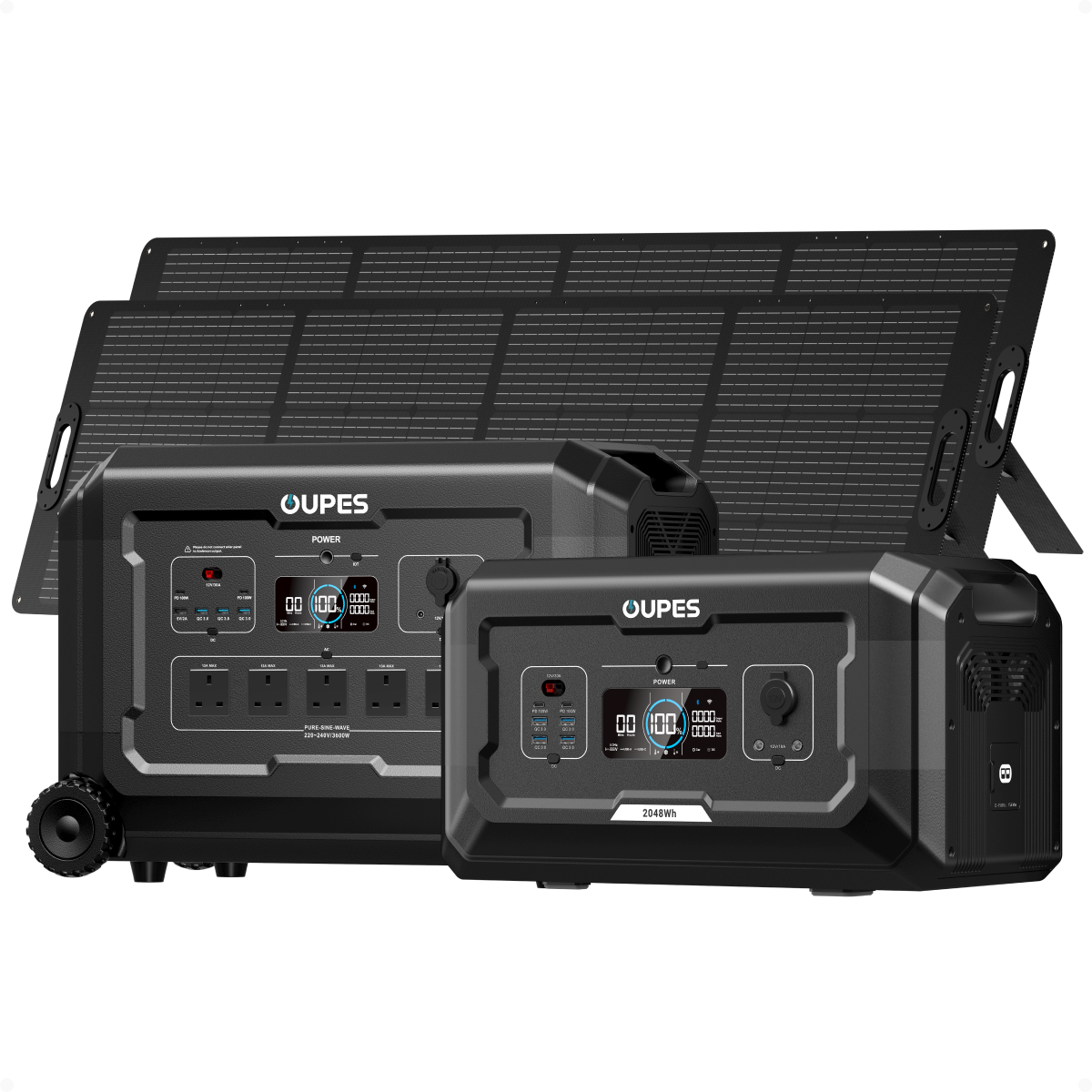
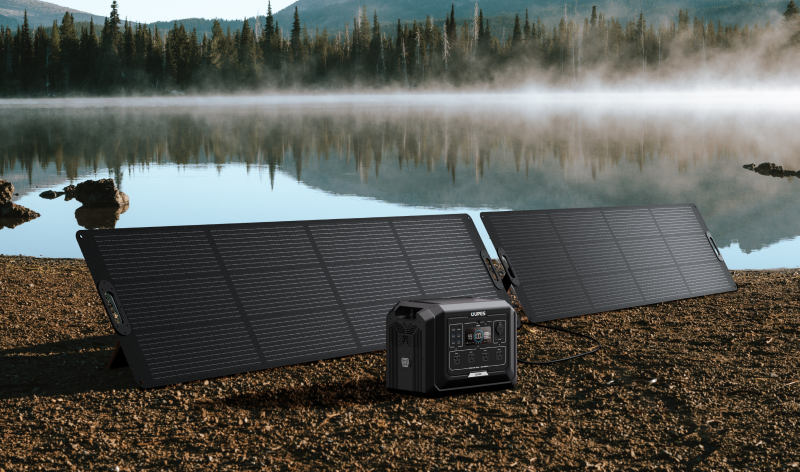
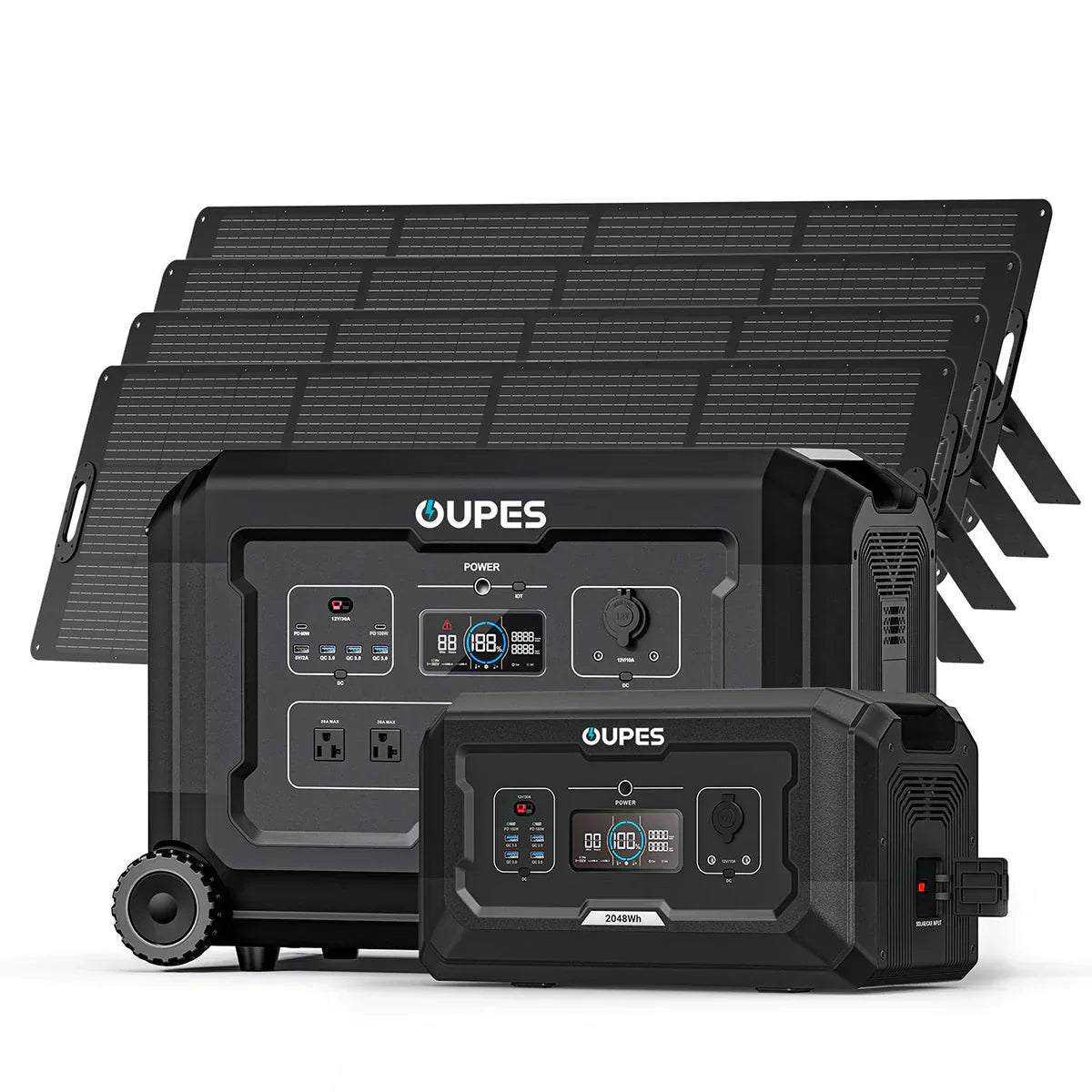
A solar generator is a system that captures sunlight via solar panels and stores it in a portable power station or battery. You can then use this stored energy to power home devices, especially during outages or high-rate hours.
2. Benefits of Portable Power Stations
- Emergency Backup: Keep essential electronics powered during outages.
- Lower Peak Usage: Use stored energy when grid rates are high.
- Mobility: Power outdoor events, RVs, or remote worksites.
- Sustainability: Reduce reliance on fossil fuel-based grid power.
3. Example Scenario
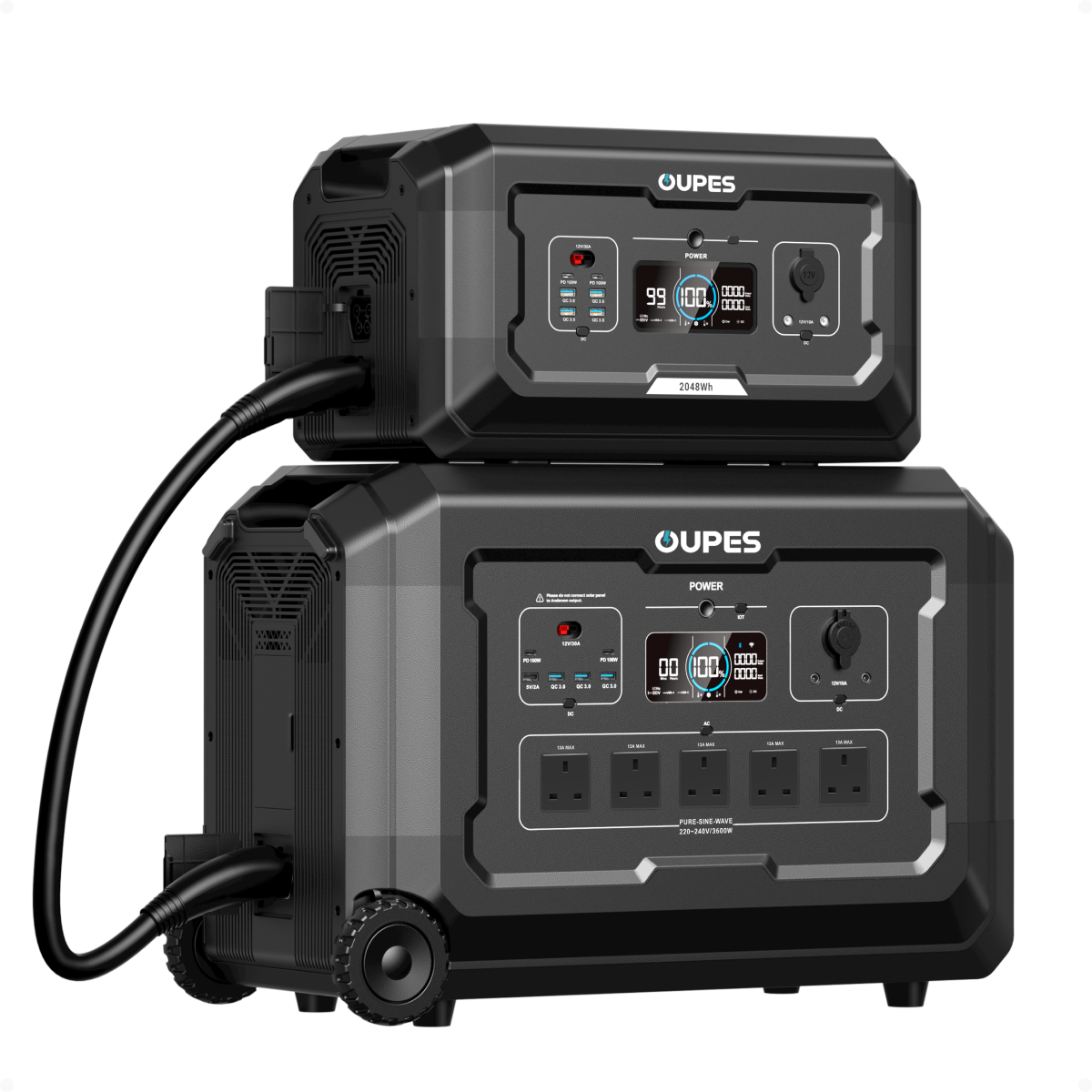
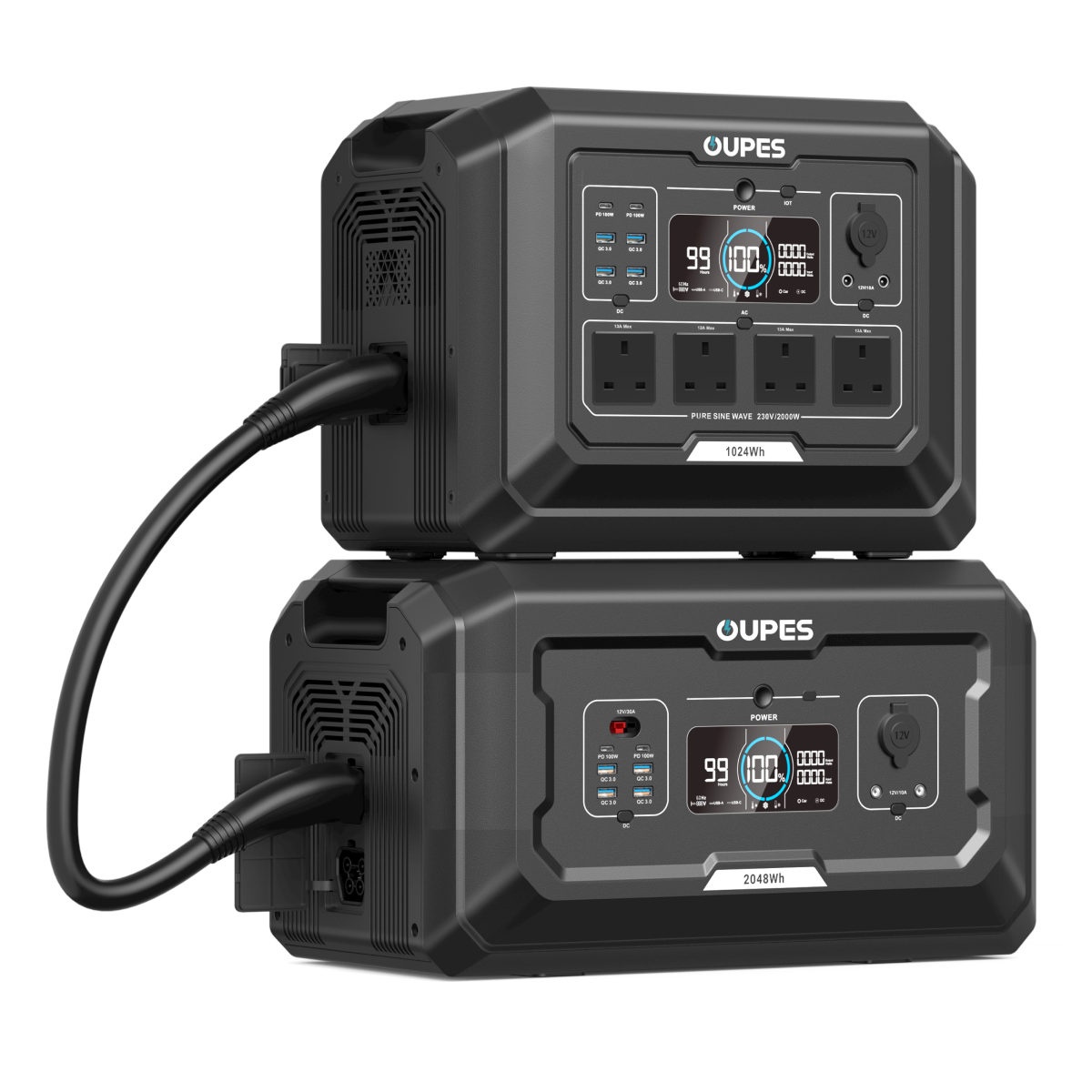
Imagine you charge your OUPES portable power station using rooftop solar panels during the day. At night or during outages, the stored energy powers your Wi-Fi router, lights, and refrigerator. This setup not only saves electricity but ensures energy security without noise or emissions.
4. Cost and Efficiency Comparison
| System Type | Energy Source | Cost Range | Maintenance | Environmental Impact |
|---|---|---|---|---|
| Grid Power | Fossil Fuels | Ongoing monthly cost | Low | High emissions |
| Gas Generator | Gasoline/Diesel | $800–$2,000 | High (fuel and oil) | High emissions, noise |
| Solar Generator (OUPES) | Solar Energy | $1,000–$3,000 | Minimal | Zero emissions |
Smart Home Technology and Energy Management
1. Smart Thermostats
Smart thermostats learn your habits and adjust temperatures automatically. The DOE reports they can save 10–12% on heating and 15% on cooling costs.
2. Energy-Efficient Power Scheduling
Set timers for heavy appliances like dishwashers and washing machines to run during off-peak hours. If you use a solar generator, align usage with your solar charging schedule for maximum savings.
3. Smart Plugs and Monitors
Smart plugs allow remote control of devices and can automatically shut off power to idle appliances, helping eliminate waste.
Appliance Efficiency Comparison
| Appliance | Average Power Usage (W) | Energy-Saving Alternative | Potential Savings |
|---|---|---|---|
| Incandescent Bulb | 60W | LED Bulb (10W) | ~80% less energy |
| Old Refrigerator | 800W | ENERGY STAR Refrigerator | ~30% less energy |
| Desktop Computer | 200W | Laptop | ~70% less energy |
| Electric Water Heater | 4500W | Heat Pump Water Heater | ~50% less energy |
Long-Term Energy-Saving Strategies
1. Invest in Solar Power
Installing rooftop solar panels can offset a significant portion of your electricity usage. When paired with an OUPES portable power station, you can store and reuse clean energy effectively.
2. Improve Home Insulation
Proper insulation keeps your home warmer in winter and cooler in summer, reducing heating and cooling loads.
3. Replace Old HVAC Systems
Upgrading to high-efficiency heat pumps or ductless systems can reduce electricity usage by up to 30%.
4. Conduct Regular Energy Audits
Hire a professional or use a DIY kit to assess air leaks, insulation quality, and appliance efficiency. According to the DOE, energy audits can help identify savings opportunities worth hundreds annually.
FAQ
1. What is the fastest way to reduce my electricity bill?
Start by switching to LED bulbs, unplugging idle devices, and adjusting your thermostat settings. These small changes yield immediate savings.
2. Can solar generators really help reduce my electricity costs?
Yes. By charging your OUPES solar generator with sunlight and using it during peak hours, you can cut grid usage and lower bills.
3. Do portable power stations work for daily household use?
While they can’t power an entire house, they’re ideal for partial loads such as lights, routers, laptops, or medical devices.
4. How often should I perform an energy audit?
It’s recommended to perform one every 2–3 years or after major renovations to maintain efficiency.
5. Are smart home devices really energy-efficient?
Yes. Smart thermostats, plugs, and sensors reduce energy waste through automation and real-time monitoring.
Conclusion
Reducing electricity usage at home doesn’t require drastic lifestyle changes — it’s about adopting smarter habits and technologies. From switching to LEDs and sealing air leaks to investing in renewable energy solutions like OUPES portable solar generators, each step contributes to a more sustainable, cost-efficient future. By understanding your energy use and making data-driven decisions, you can save money, protect the planet, and enjoy reliable power wherever you are.


Leave a comment
This site is protected by hCaptcha and the hCaptcha Privacy Policy and Terms of Service apply.