


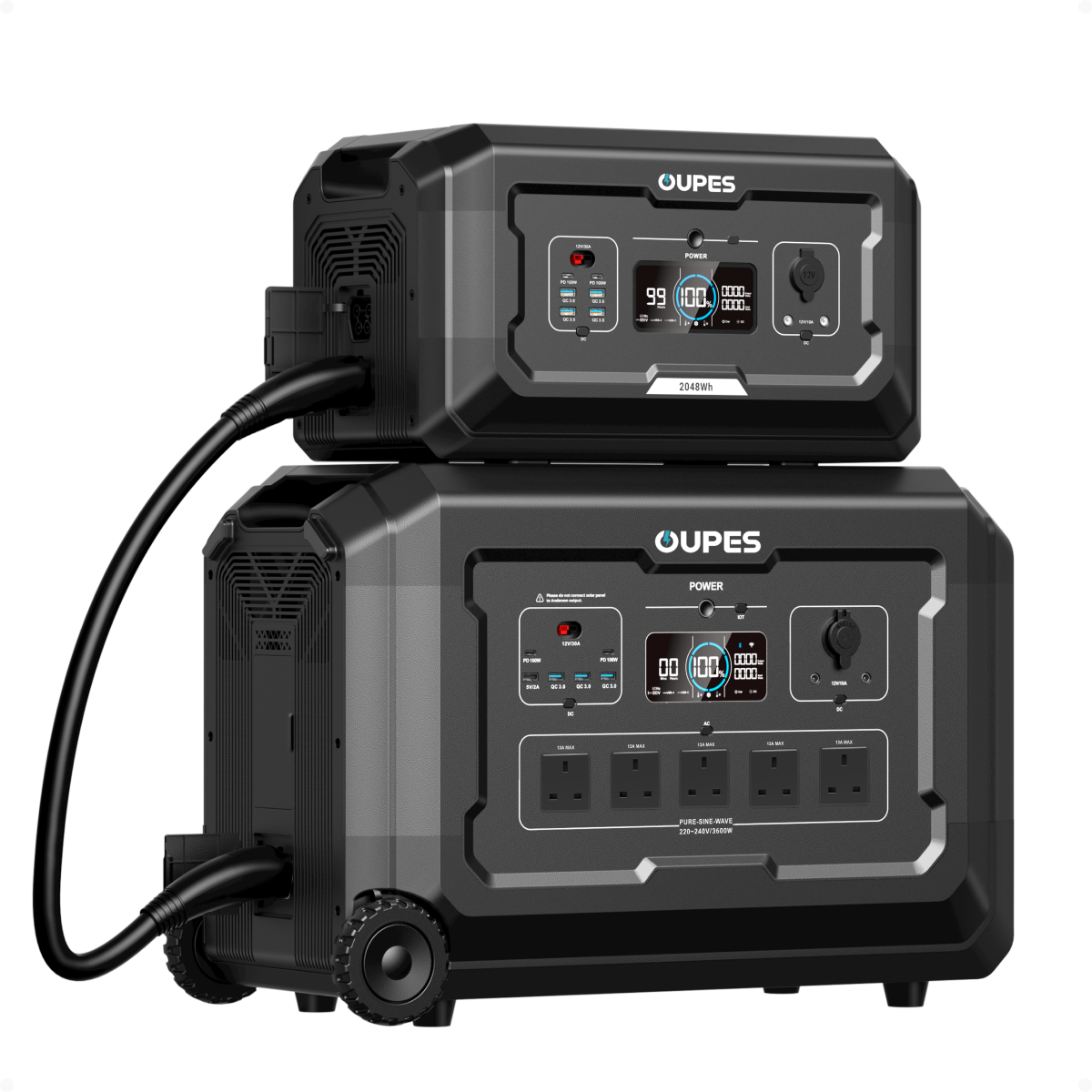
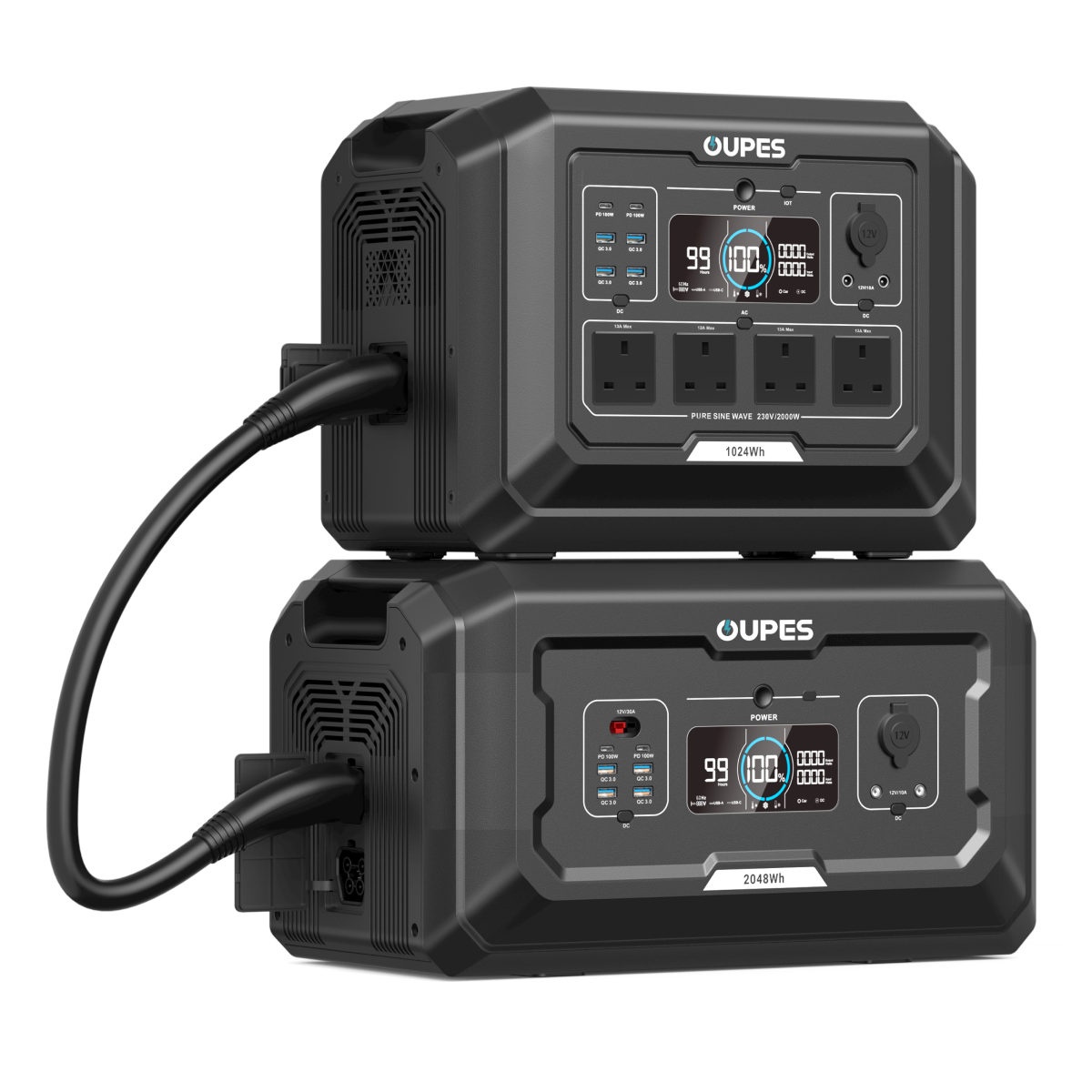



How long the battery backup will last in a power outage depends on several factors, such as the size of the battery, how much electricity you're using, and the backup power sources you are using.In many homes, the backup with 5-8 kWh storage may have a run time of 8-12 hours.Bigger systems with a light load can take a day or more.
When the power goes out, everything in the house feels different.The lights go out, the fridge goes off and your Wi-Fi may not work anymore.That is when a battery backup comes in very handy.A battery backup is similar to a large, rechargeable battery that stores electricity for later use.
Some batteries can only power lighter appliances, like lights and Wi-Fi, for a few hours.Bigger systems can help you keep a whole-house powered for a day or more.In this article, we are going to look at how long battery backups usually last, what changes their running time, and real-life examples of different situations.This will help you understand and choose the best type of backup for you and your family.
What Factors Determine The Life of A Battery Backup?

Not all battery backups have the same lifespan.Some may run only a few hours, while others can go a full day or longer.The time depends on several important factors:
1. Battery capacity (kWh or Wh)
The battery capacity is expressed in kilowatt-hours (kWh) or watt-hours (Wh).The greater the kWh number, the greater the stored energy.For example, a battery of 5 kWh will not keep the charge as long as a battery of 13 kWh, even when they are operating the same appliances.
2. Power draw (Watts or kW)
The more devices you utilize, the quicker the battery will run out.Light, fans, and Wi-Fi routers are small devices that require less energy.Bigger appliances like an air conditioner or an electric stove use a lot of energy.When you have a high power draw, the backup will not last long.
3. Depth of Discharge (DoD)
Batteries are not utilized to their full capacity.Most systems do not allow you to utilize the entire energy to ensure that the health of the battery will be maintained.This limit is called Depth of Discharge (DoD).When the system is only allowed to utilize 80% of its capacity, then the 10kWh battery will yield 8kWh of usable power.
4. Efficiency & losses
When a battery outputs energy, some energy is lost during conversion of DC to AC. This is called inverter loss. Usually, this process consumes 5-10% of the energy.Therefore, with a 10 kWh battery, it may actually deliver only 9 kWh.
5. Temperature, age, battery chemistry
Batteries do not work equally under all conditions:
- Temperature:With extreme temperatures(too hot or too cold), the batteries will be drained faster.
- Age:Batteries will gradually become less capable over the years of usage.A battery that used to give you 10 kWh of energy when it was new, might give you 8 kWh of energy now when it is old.
- Chemistry:Lithium iron phosphate (LiFePO4) batteries are far more durable than the older lead-acid batteries.
Real-World Examples & Typical Durations
To better understand the battery backup time span, we will consider real life scenarios.It depends on the battery size and the amount of power you are consuming.
|
Scenario |
Battery Size |
Devices Powered |
Estimated Duration |
|
Essential use |
5 kWh |
Fridge, lights, Wi-Fi |
8-10 hours |
|
Medium load |
10 kWh |
Fridge, lights, TV, fans |
10-15 hours |
|
Heavy load |
13.5 kWh |
Fridge, lights, AC, Wi-Fi |
8-12 hours |
|
Very light load |
13.5 kWh |
Only Wi-Fi + lights |
20-25 hours |
|
Whole home (high use) |
20 kWh |
Most appliances + AC |
7-10 hours |
These figures are just estimates.In the real world, the duration may be shorter or even much longer depending on how exactly you will use it, the weather and the kind of battery.
For example, the average American household consumes an average of 10500 kilowatt hours (kWh) of electricity annually. Assuming that you had a 13.5kWh battery, then that would normally feed a house for about half a day. However, it may last longer when you only run the most important devices.
Which Battery Types Last Longer?
Not every battery is made the same way.Older lead-acid batteries (such as car batteries) have a lifespan of approximately 3-5 years.They cost less, but drain power faster, and can not be recharged many times.
Modern LiFePO4 and Lithium-Ion batteries have a much longer life.Most of them have 8-12 years of life and will provide you with thousands of charge cycles.It means that you can use and charge them every day over several years and they still do not lose a lot of power.Lithium batteries are also safer, lighter, and more efficient than lead-acid batteries.
Tips to Maximize Runtime During Outages
When the power goes out, you want your battery backup to last as long as possible. Here are some simple tips:
- Run only essentials: Keep lights, fridge, and Wi-Fi running, and avoid heavy appliances like AC, heaters, etc.
- Use efficient devices: Switch to LED bulbs and energy-saving fans.
- Unplug extras: Turn off chargers and devices you do not need.
- Keep batteries at room temperature: Very hot or very cold weather causes batteries to drain faster.
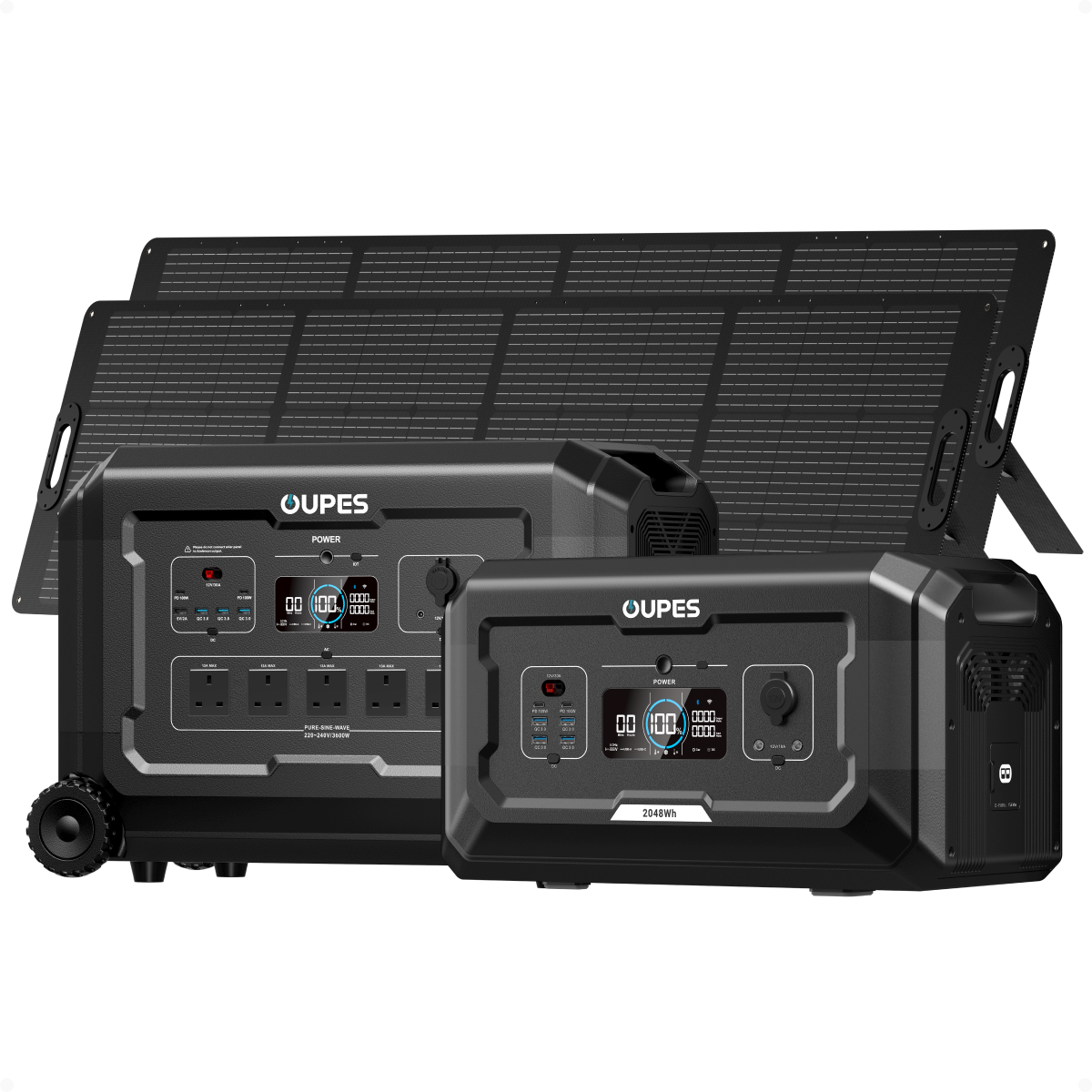
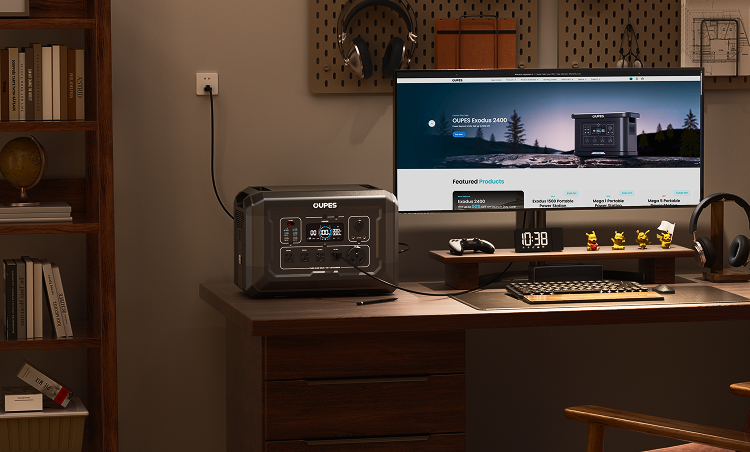
For powerful, long-lasting options, explore portable power stations or home backup systems from Oupes to find a model that suits your needs.
How Long Will the Battery Itself Last (Over Years)?
Every battery gradually loses power capacity as it becomes older.How long it lasts depends on the type and frequency of use.
- Lead-acid batteries: 3-5 years, fewer cycles.
- Lithium-ion batteries: 8-10 years with regular use.
- LiFePO₄ batteries: 10+ years, over 3,000 charge cycles before losing 80% of capacity.
FAQs
Q1: How long does a 10 kWh battery backup last in a power outage?
A 10 kWh battery can typically run important loads such as a fridge, light and Wi-Fi for 8-12 hours.
Q2: Can I power my entire house with a battery backup?
To power an entire house, you need a large battery system (20 kWh or more), or expandable systems that allow you to add additional storage.
Q3: How long does a home backup battery last?
Lead-acid batteries have a lifespan of about 3-5 years, whereas lithium-ion and LiFePO4 batteries last about 8-12 years with daily use.
Final Thoughts
Battery backups are becoming an important component of modern homes.They provide peace of mind during power outages and can keep important devices running.How long the backup lasts depends on the size of your battery, how much energy you use and the devices you choose to power.
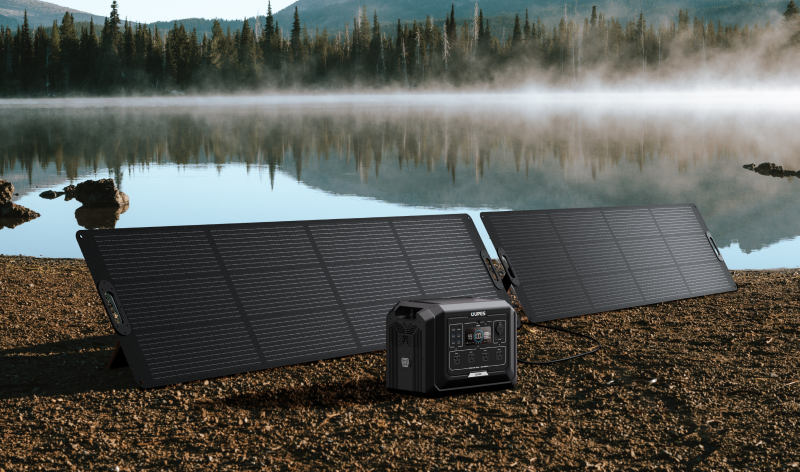
For the best value, lithium-based systems are the smarter choice because they last longer and provide you with more cycles over the years.By using energy wisely and combining your battery with solar panels, you can make your backup power last even longer.
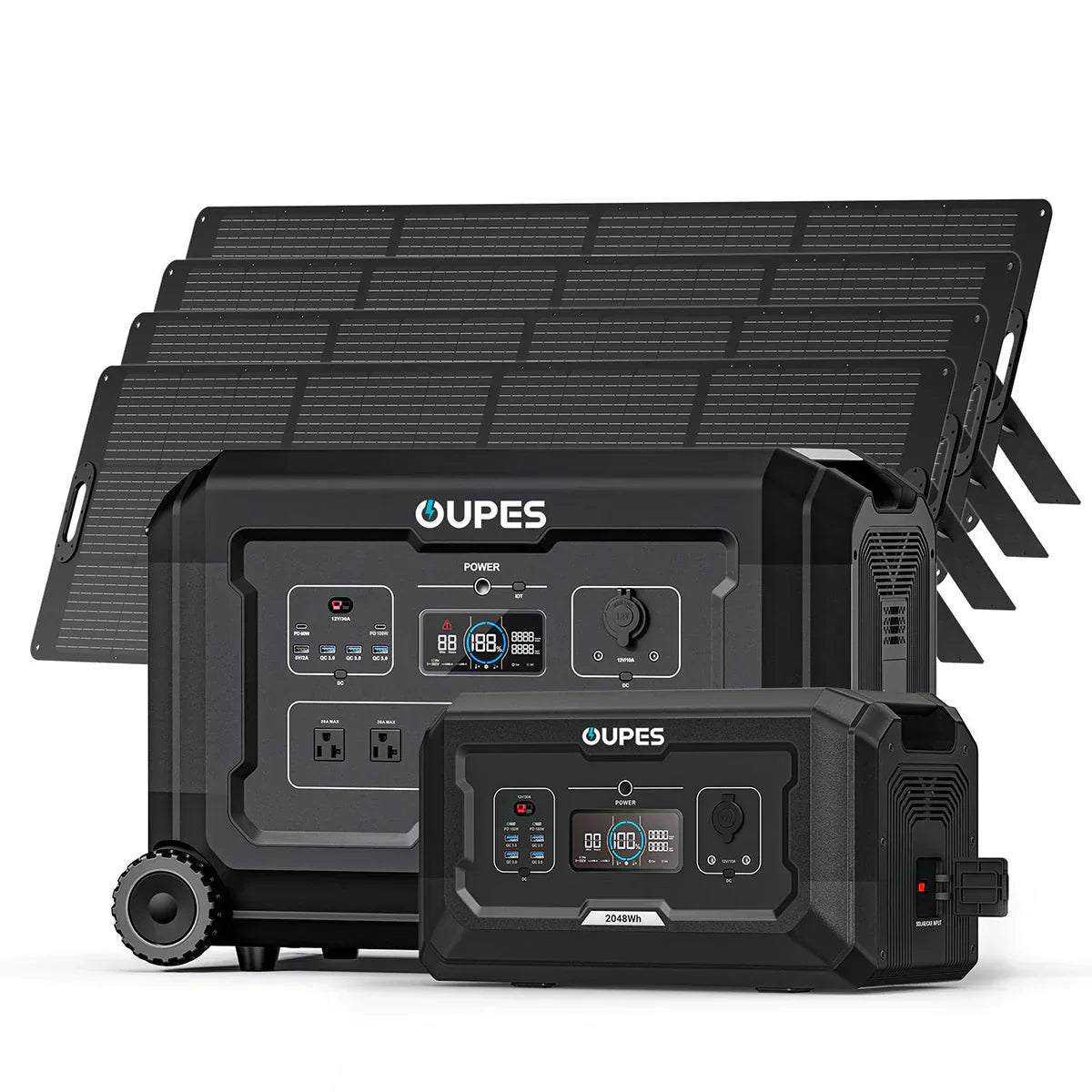
Check out the solar power stations from OUPES to learn more about backup solutions for your home.
home backup power, portable power staion, Portable Power Station, US power outage,

Leave a comment
This site is protected by hCaptcha and the hCaptcha Privacy Policy and Terms of Service apply.