




Quick Answer
A blackout can result from severe weather, damaged cables, equipment failure, fire, excavation damage, protection systems, supply-demand imbalance or planned network work. A loss of power in only one property may instead be a tripped consumer unit, meter issue or internal fault.
In Great Britain, call 105 or use the Powercut 105 service to contact the local electricity network operator. Call emergency services for immediate danger, fire or a threat to life.
Key Facts
Identify the scope without touching unsafe equipment: check whether neighbours and street lighting are also affected, then consult the network operator.
| Observation | Possible Cause | Safe Check | Next Action |
|---|---|---|---|
| Whole street dark | Network outage | Look outside from safety | Contact 105 / network operator |
| Only your home | Consumer unit, meter or service fault | Check indicators without dismantling | Follow operator/electrician advice |
| One circuit off | Tripped protective device or appliance fault | Unplug suspect load if safe | Reset only as instructed |
| Sparks, smoke or fallen wire | Dangerous electrical fault | Keep well away | Call emergency/network services |
How It Works
Networks use protective devices to isolate faults and reduce wider damage. Automatic switching can restore some customers while crews locate and repair the failed section.
Storms can bring trees or debris onto overhead lines, while flooding can affect substations. Underground cables can be damaged by excavation, construction or age-related failure.
Planned interruptions allow maintenance and upgrades. Customers should normally receive notice, but urgent safety work or unexpected faults cannot always be announced in advance.
What to Do During a UK Power Cut
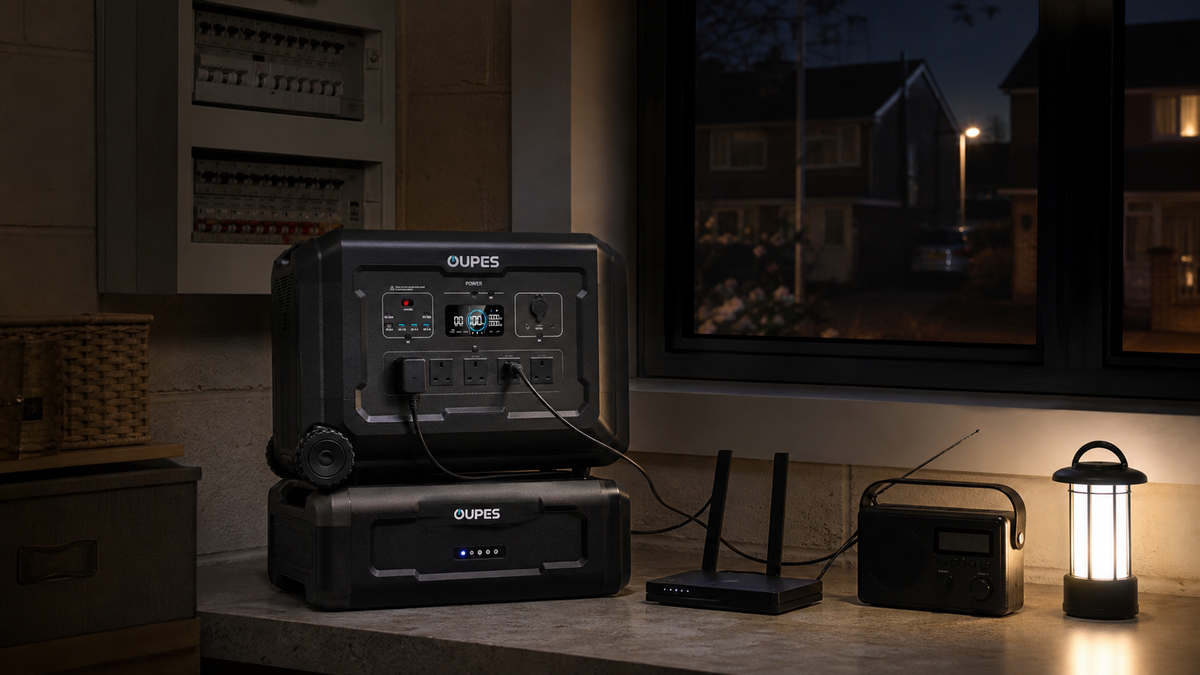
Keep away from damaged infrastructure, check official outage information and preserve phone charge. Switch off or unplug sensitive equipment while leaving one light on to show when supply returns.
Keep fridge and freezer doors closed. If anyone relies on powered medical equipment, follow the equipment provider’s emergency plan and contact the appropriate service promptly.
| Time | Priority | Action | Avoid |
|---|---|---|---|
| Immediately | Life safety | Move away from hazards | Touching fallen cables |
| First minutes | Confirm scope | Check 105/operator status | Assuming it is only internal |
| During outage | Preserve essentials | Limit door openings and battery use | Indoor combustion appliances |
| On restoration | Controlled restart | Reconnect loads gradually | Switching everything on together |
Compare the Main Options
A portable battery can support selected appliances, but it neither repairs the fault nor makes house wiring safe.
| Backup | Indoor Use | Strength | Constraint |
|---|---|---|---|
| Small power bank | Generally, per manual | Phones and USB lights | Low energy |
| Portable power station | Per product manual and ventilation rules | Several compatible essentials | Finite Wh |
| Fuel generator | Never indoors | Longer use with fuel | Carbon monoxide, noise and fuel |
| Home battery system | Installed design | Automatic or larger backup | Requires suitable professional installation |
UK Planning Considerations
Powercut 105 routes people in England, Scotland and Wales to their electricity network operator. The network operator is different from the company that sends the electricity bill.Registering for a network operator’s Priority Services Register may provide additional communication or support for eligible customers, but it does not guarantee uninterrupted power.
For the underlying UK guidance or current figures, check Powercut 105. Published tariffs, standards and safety advice can change, so verify the source again before acting.
Relevant OUPES UK Options
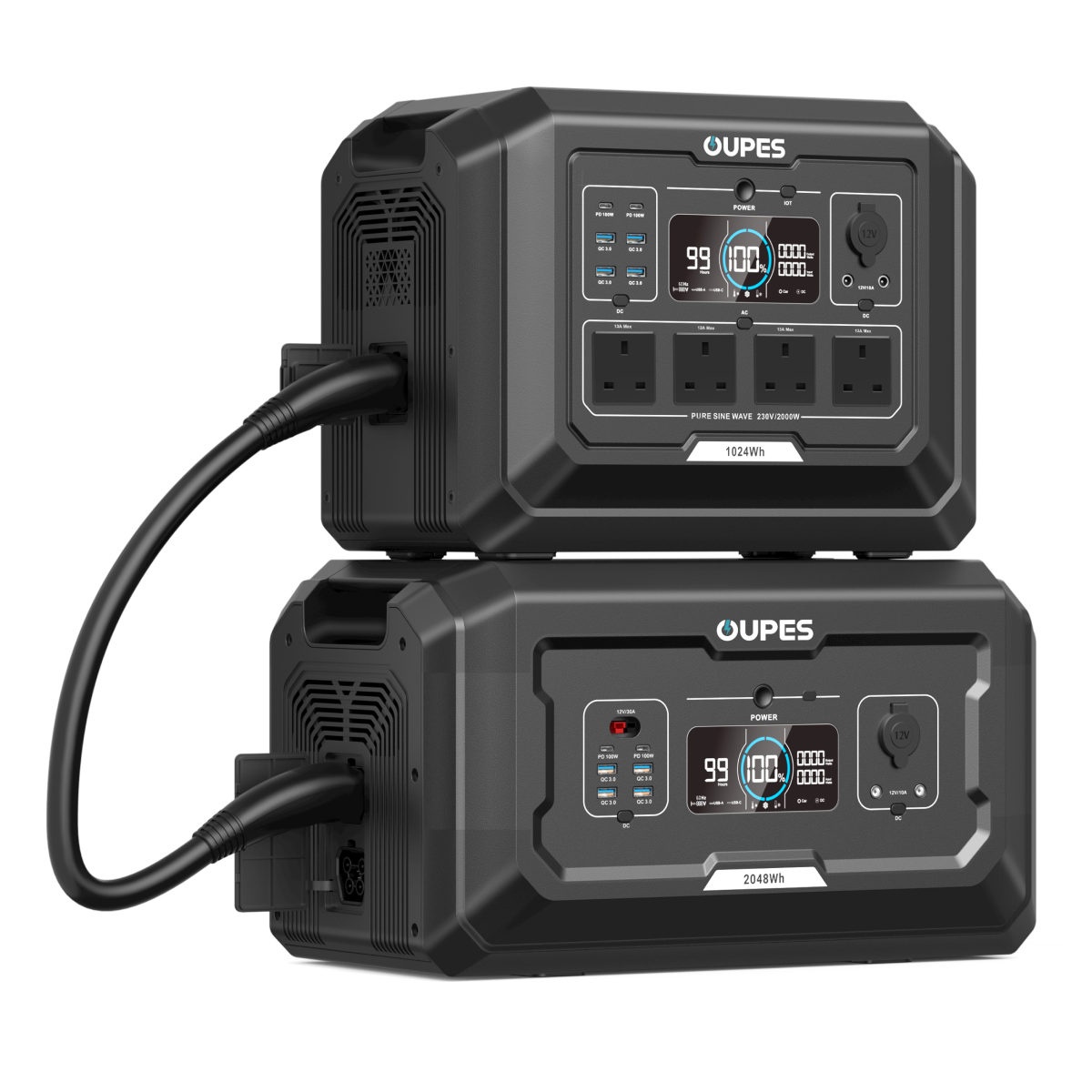
OUPES UK portable stations can be planned for isolated compatible loads. Do not connect one to fixed house wiring or back-feed a socket unless a qualified design and approved transfer equipment explicitly supports it.
| UK-Site Product | Capacity | Rated Output | Solar | Planning Role |
|---|---|---|---|---|
| OUPES Mega 1 | 1,024Wh | 2,000W | Up to 800W | Portable everyday loads and shorter backup sessions |
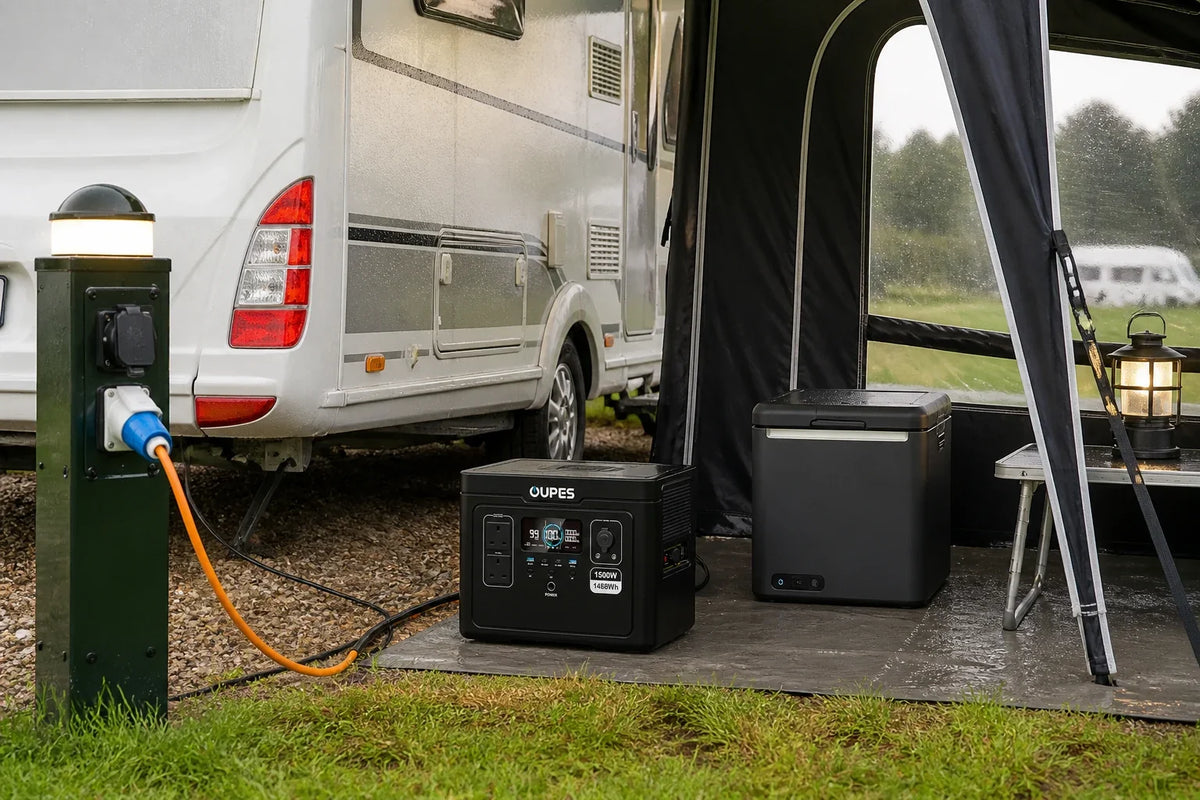
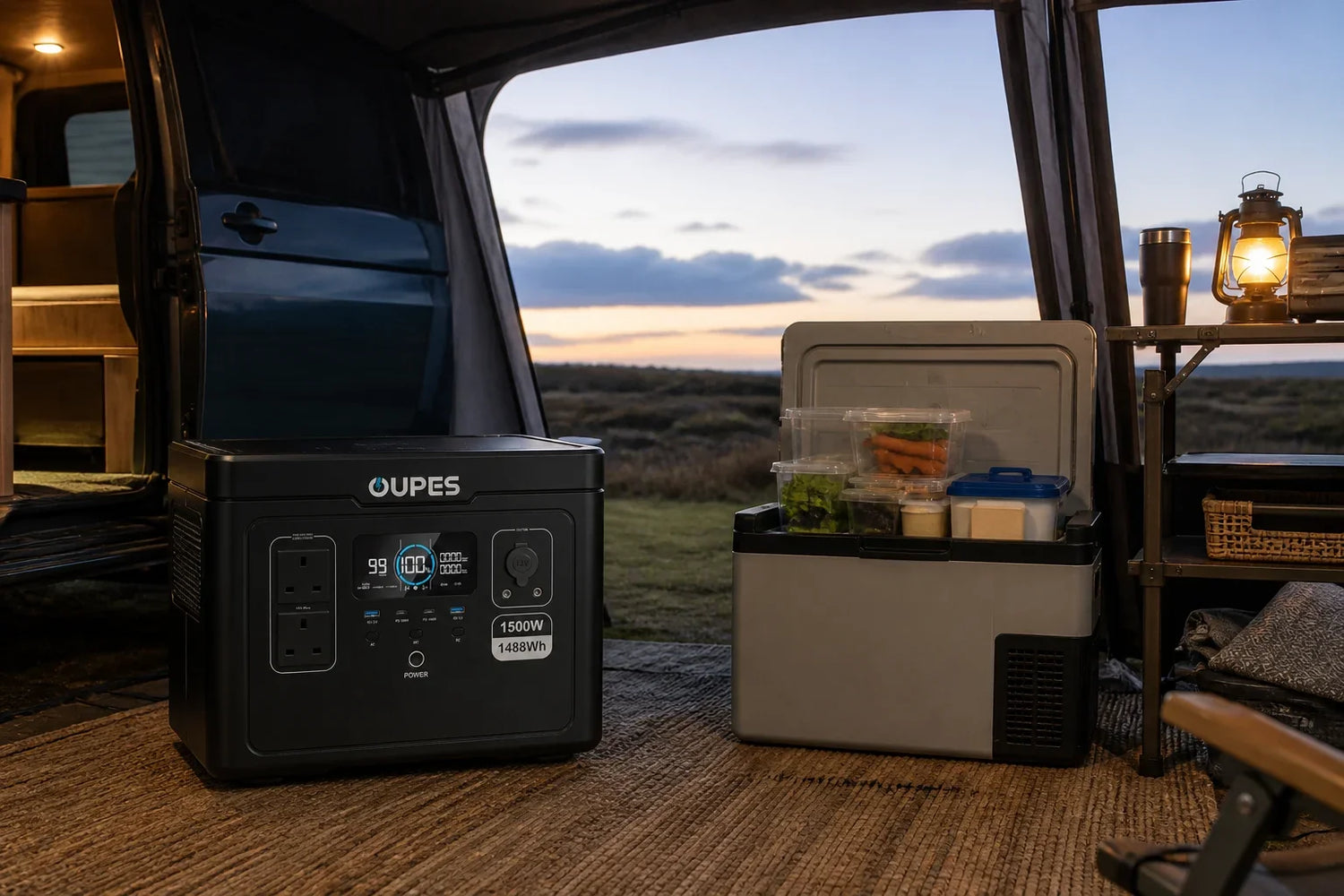
| OUPES Exodus 1500 | 1,488Wh | 1,500W | Up to 480W | Longer low-to-medium-load use where portability matters |
| OUPES Exodus 2400 | 2,232Wh | 2,400W | Up to 800W | Higher energy budgets and compatible higher-power appliances |
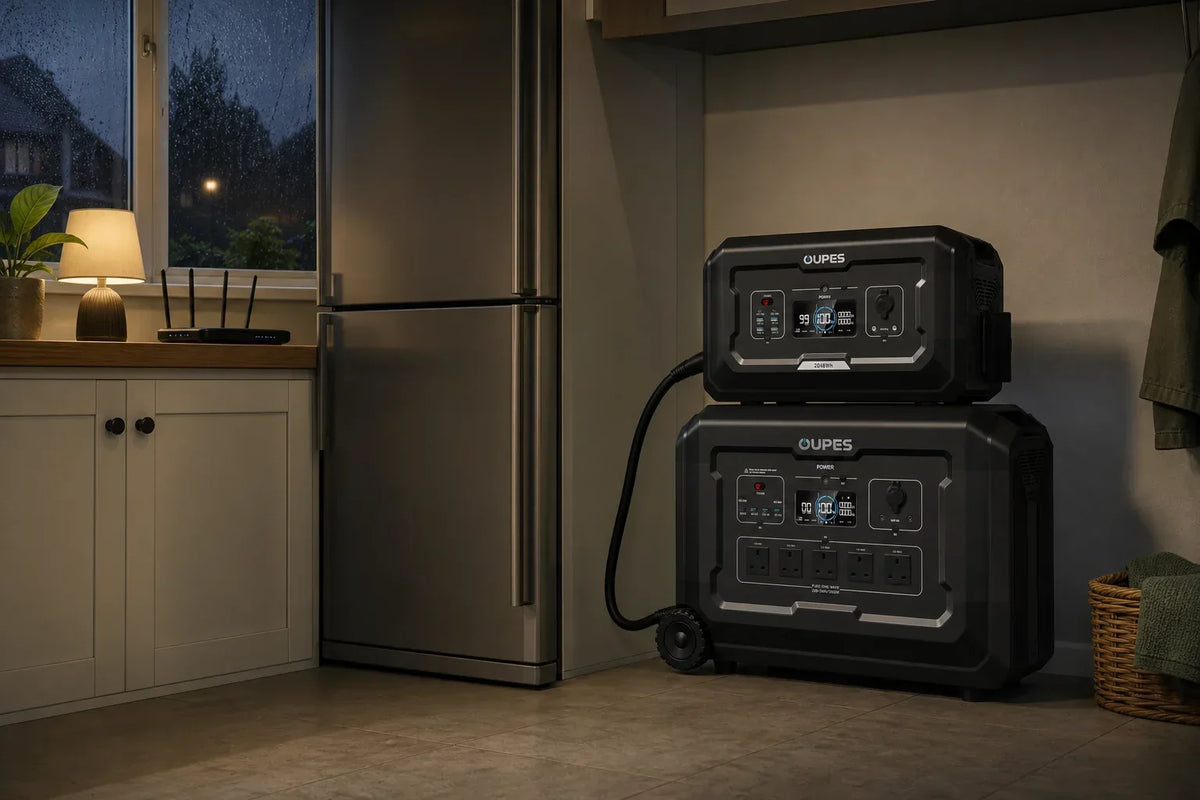
| OUPES Mega 3 | 3,072Wh | 3,600W | Up to 2,100W | Large loads, longer backup plans and expandable storage |
| OUPES B2 Extra Battery | 2,048Wh | USB and 12V DC outputs | Up to 2,100W independent solar input | Expanding compatible Mega 1 or Mega 3 systems |
Before ordering from the UK store, confirm the current supplied model’s AC voltage, socket format, cables and appliance compatibility on the product page. Do not infer compatibility from wattage alone.
Practical Checklist
Prepare before an outage with:
- The 105 number and network operator details.
- Charged lights, phones and radio.
- A written medical-equipment plan.
- Measured wattage for essential loads.
- Food and medication temperature plans.
- Manufacturer instructions stored offline.
Safety and Limitations
Treat all fallen or damaged cables as live. Stay well away and warn others; do not attempt a repair.
Never run a barbecue, camping stove or fuel generator indoors or in an attached space. Carbon monoxide is colourless and odourless.
Final Verdict
UK blackouts have many local and system causes. Confirm the scope safely, use 105 for the network operator, prioritise vulnerable people and hazards, and use backup power only within its verified limits.
Frequently Asked Questions
1. What number do I call for a UK power cut?
In Great Britain, call 105 to reach the local electricity network operator.
2. Is my electricity supplier responsible for a power cut?
The local network operator manages network faults; it is separate from the billing supplier.
3. Why is only my house without electricity?
A consumer-unit trip, meter issue, service fault or internal wiring problem may be involved.
4. Should I reset the consumer unit?
Only if it is safe and you understand the cause; repeated tripping needs competent investigation.
5. Can I connect a power station to a wall socket?
No. Back-feeding is dangerous unless an approved professionally installed system is specifically designed for it.
6. What should I do when power returns?
Reconnect major loads gradually and check appliances for abnormal operation.

Leave a comment
This site is protected by hCaptcha and the hCaptcha Privacy Policy and Terms of Service apply.