




Table of Contents
- Introduction
- What Are LiFePO4 and Lithium-Ion Batteries?
- Key Differences at a Glance
- Lifespan and Cycle Life
- Safety and Thermal Stability
- Performance and Efficiency
- Weight and Energy Density
- Cost vs Long-Term Value
- Best Battery Choice by Use Scenario
- OUPES Battery Strategy
- How to Choose the Right Battery
- Final Thoughts
- FAQ
Introduction
As portable power stations, solar energy systems, and electric devices become more common, battery technology has become a key factor in performance and reliability. Among the most widely used battery types today are LiFePO4 (Lithium Iron Phosphate) and Lithium-Ion batteries.
But how do they compare, and more importantly, how do you choose the right one? This guide breaks down the differences in a practical, user-focused way to help you make an informed decision.
What Are LiFePO4 and Lithium-Ion Batteries?
LiFePO4 (Lithium Iron Phosphate)
LiFePO4 is a type of lithium battery that uses iron phosphate as the cathode material. It is known for its high safety, long lifespan, and stable performance.
Traditional Lithium-Ion
Lithium-ion batteries typically use materials such as cobalt or nickel. They are widely used in consumer electronics due to their high energy density and lighter weight.
Key Differences at a Glance
| Feature | LiFePO4 | Lithium-Ion |
|---|---|---|
| Lifespan | 3000–3500+ cycles | 500–1000 cycles |
| Safety | Very high | Moderate |
| Energy Density | Lower | Higher |
| Weight | Heavier | Lighter |
| Thermal Stability | Excellent | Lower |
| Cost | Higher upfront | Lower upfront |
Lifespan and Cycle Life
One of the biggest differences is lifespan. LiFePO4 batteries typically last 3–5 times longer than traditional lithium-ion batteries.
For example:
- LiFePO4: 3000–3500+ charge cycles
- Lithium-ion: 500–1000 cycles
This makes LiFePO4 a better long-term investment, especially for frequent use.
Safety and Thermal Stability
Safety is a critical factor, especially for portable power stations and home backup systems.
LiFePO4 batteries offer:
- Higher resistance to overheating
- Lower risk of thermal runaway
- Better stability under stress
In contrast, lithium-ion batteries are more sensitive to temperature and require stricter management systems.
Performance and Efficiency
Both battery types provide stable power, but there are key differences:
- LiFePO4 maintains consistent voltage over time
- Lithium-ion may experience more voltage drop under load
For high-demand applications, stable voltage is an important advantage.
Weight and Energy Density
Lithium-ion batteries have higher energy density, meaning they store more energy in a smaller and lighter package.
This makes them ideal for:
- Smartphones
- Laptops
- Compact electronics
LiFePO4 batteries are slightly heavier, but this trade-off comes with improved durability and safety.
Cost vs Long-Term Value
| Factor | LiFePO4 | Lithium-Ion |
|---|---|---|
| Initial Cost | Higher | Lower |
| Lifespan | Longer | Shorter |
| Cost per Cycle | Lower | Higher |
Although LiFePO4 batteries cost more upfront, they often provide better value over time due to their longer lifespan.
Best Battery Choice by Use Scenario
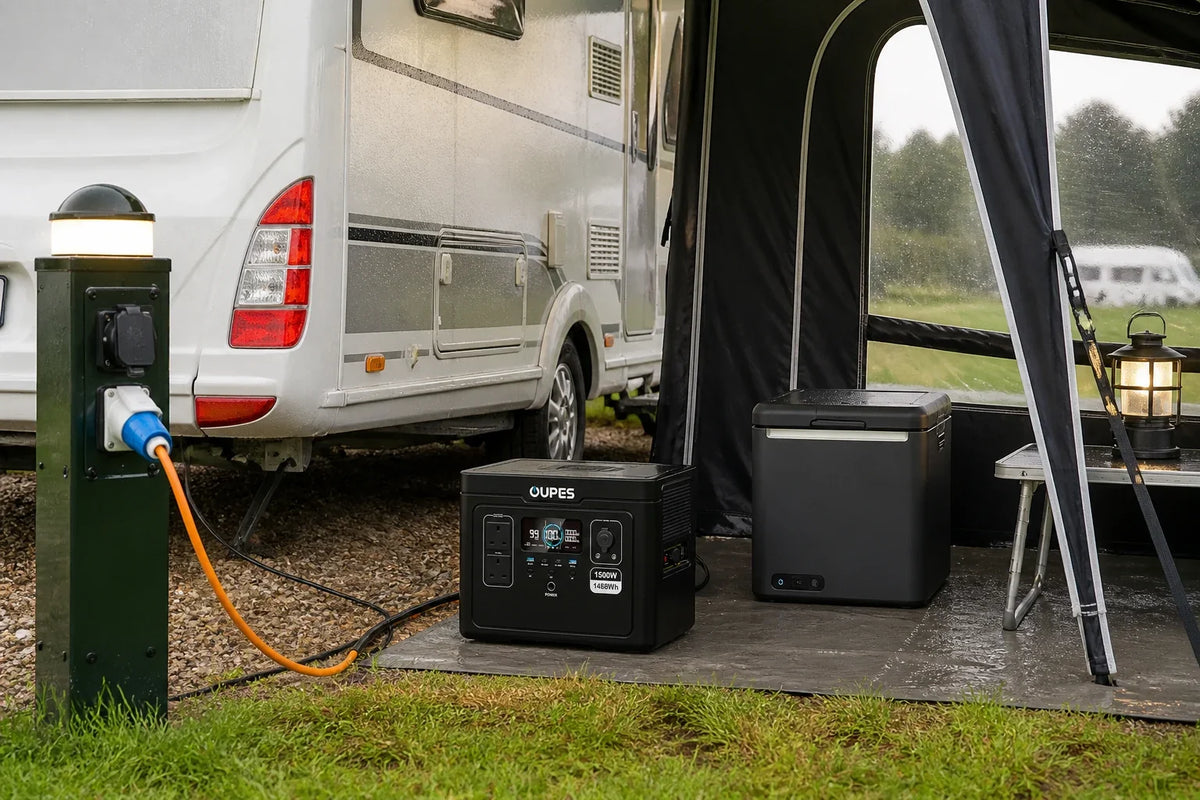
Camping and Outdoor Use
LiFePO4 is ideal due to its durability and long cycle life.
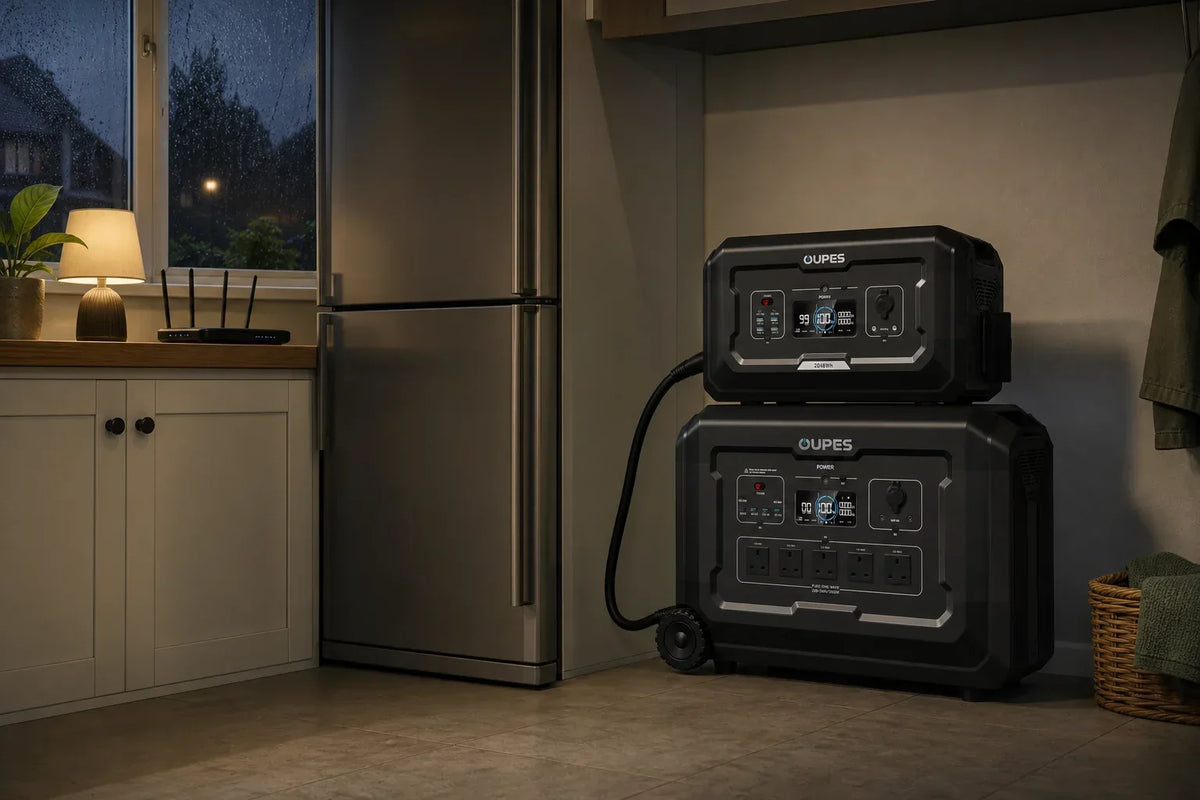
Home Backup Power
LiFePO4 is preferred for safety and long-term reliability.
Portable Electronics
Lithium-ion is better due to its lightweight design.
Emergency Preparedness
LiFePO4 offers more dependable performance over time.
OUPES Battery Strategy
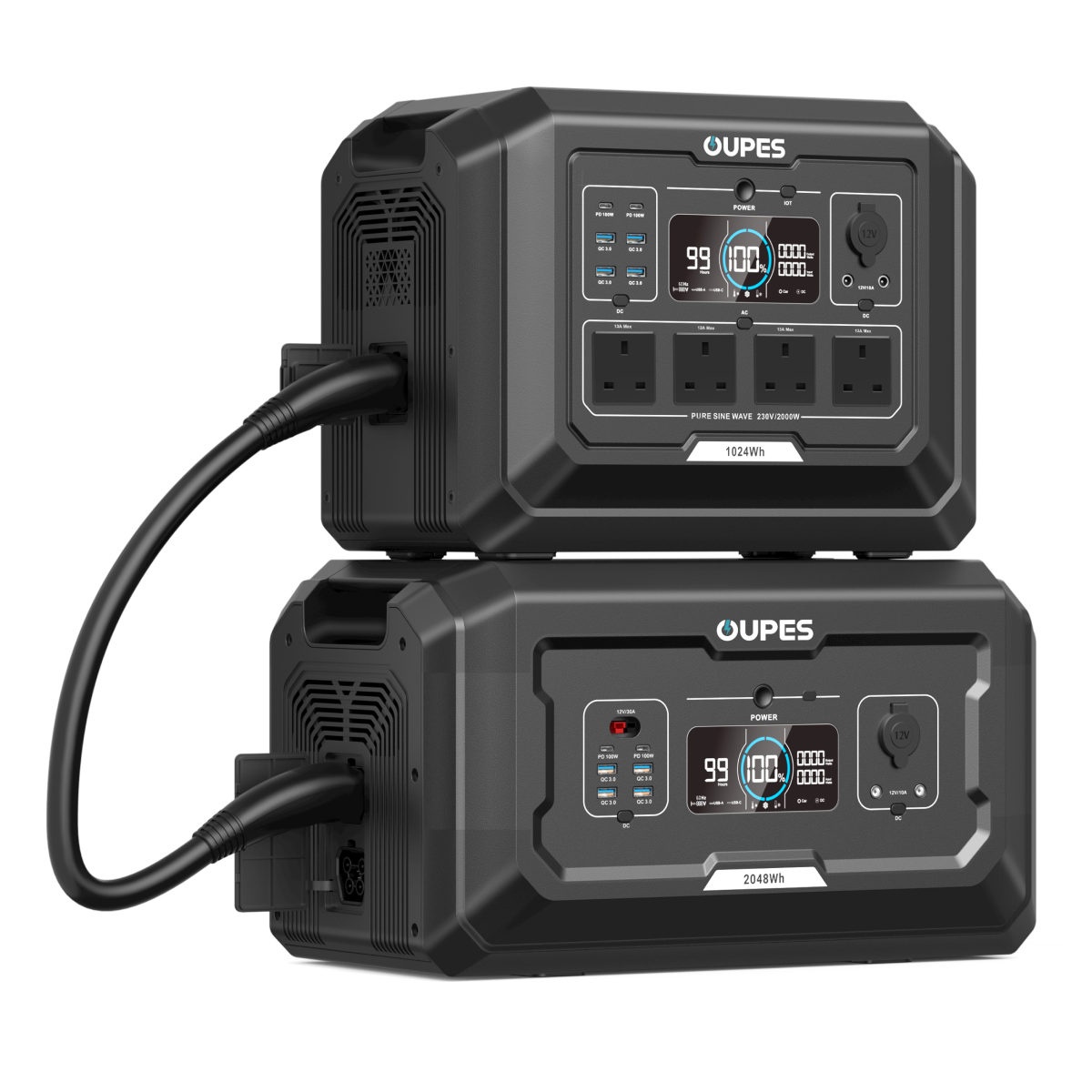
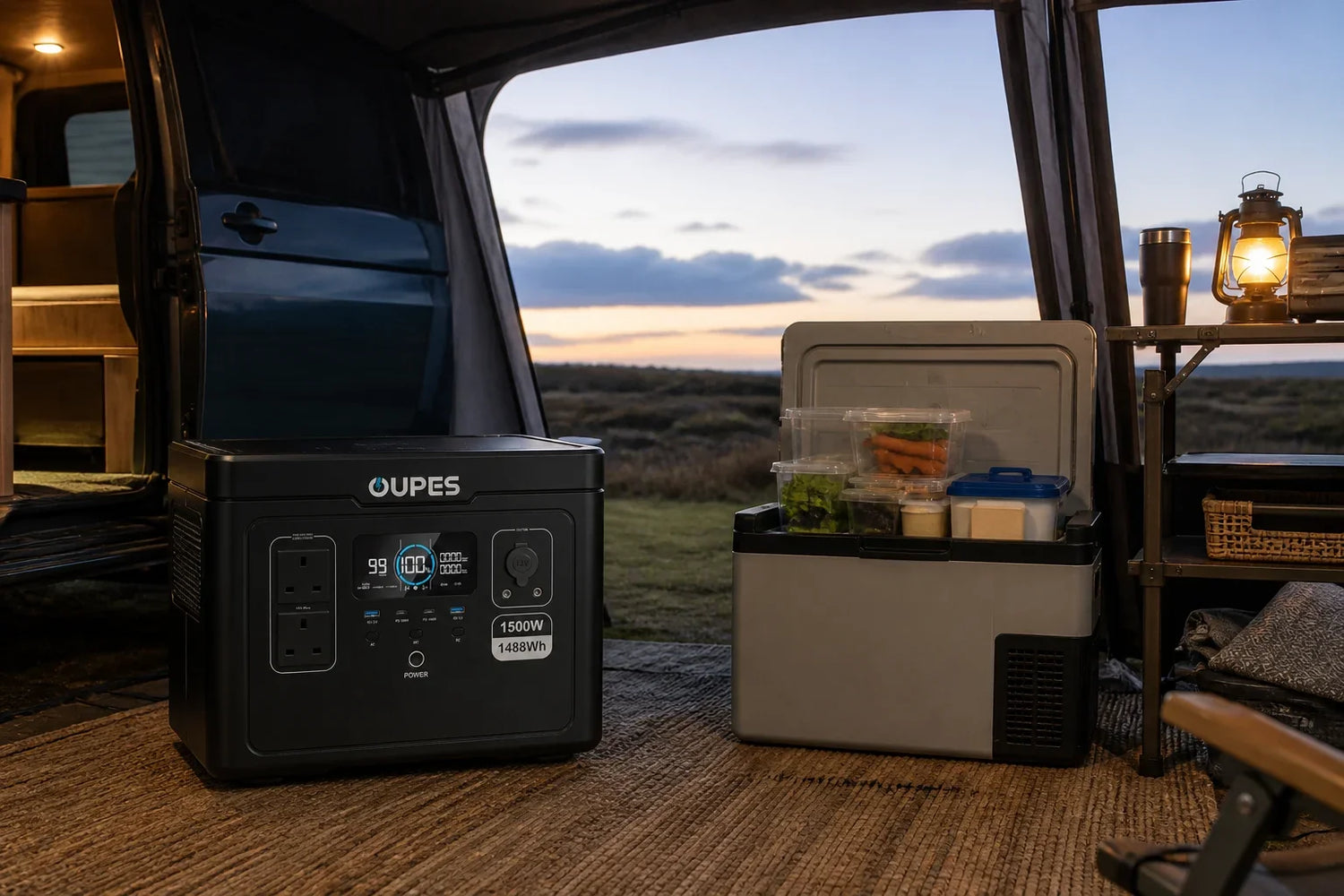
OUPES uses LiFePO4 battery technology in its portable power stations. This choice reflects a focus on:
- Long lifespan (3500+ cycles)
- Enhanced safety
- Stable performance under load
This makes OUPES systems particularly suitable for home backup, camping, and long-term energy use.
How to Choose the Right Battery
When deciding between LiFePO4 and lithium-ion, consider the following:
- Frequency of use: Choose LiFePO4 for long-term, frequent use
- Safety needs: LiFePO4 is safer for indoor and backup use
- Weight constraints: Lithium-ion is lighter
- Budget: Lithium-ion may be cheaper upfront
- Application: Match the battery type to your use case
Final Thoughts
Choosing between LiFePO4 and lithium-ion batteries depends on your priorities. If you value safety, lifespan, and reliability, LiFePO4 is the better choice. If you need lightweight and compact energy storage, lithium-ion may be more suitable.
For most portable power station users, especially those focused on backup power and outdoor use, LiFePO4 offers the best balance of performance and long-term value.
FAQ
1. Is LiFePO4 better than lithium-ion?
It depends on the use case, but LiFePO4 is generally safer and longer-lasting.
2. Why is LiFePO4 safer?
It has better thermal stability and lower risk of overheating.
3. Which battery lasts longer?
LiFePO4 lasts significantly longer in terms of charge cycles.
4. Is lithium-ion lighter?
Yes, it has higher energy density and lower weight.
5. Which is better for power stations?
LiFePO4 is generally preferred for portable power stations.
6. Are LiFePO4 batteries more expensive?
They have a higher upfront cost but better long-term value.
7. Can both types be used for solar systems?
Yes, but LiFePO4 is more suitable for long-term solar storage.
8. What is the main advantage of lithium-ion?
Its lightweight and compact design.

Leave a comment
This site is protected by hCaptcha and the hCaptcha Privacy Policy and Terms of Service apply.