





Table of Contents
- Introduction
- What Is a Portable Power Station?
- What “Worth It” Really Means
- Key Benefits of Portable Power Stations
- Cost vs Value Analysis
- Real-World Use Scenarios
- Portable Power Stations vs Traditional Alternatives
- Limitations You Should Know
- OUPES Power Stations: Value Perspective
- Who Should Buy One?
- Final Verdict
- FAQ
Introduction
Portable power stations have quickly become one of the most popular energy solutions for camping, home backup, and emergency preparedness. But with prices ranging from a few hundred to several thousand dollars, many people ask the same question: are portable power stations worth it?
The answer depends on how you plan to use them. For some users, they provide unmatched convenience and reliability. For others, they may be unnecessary. This article breaks down the real value of portable power stations, helping you determine whether they are a smart investment for your needs.
What Is a Portable Power Station?
A portable power station is a rechargeable battery system that stores electricity and delivers it through AC outlets, USB ports, and DC outputs. Unlike fuel generators, it operates silently, produces no emissions, and requires minimal maintenance.
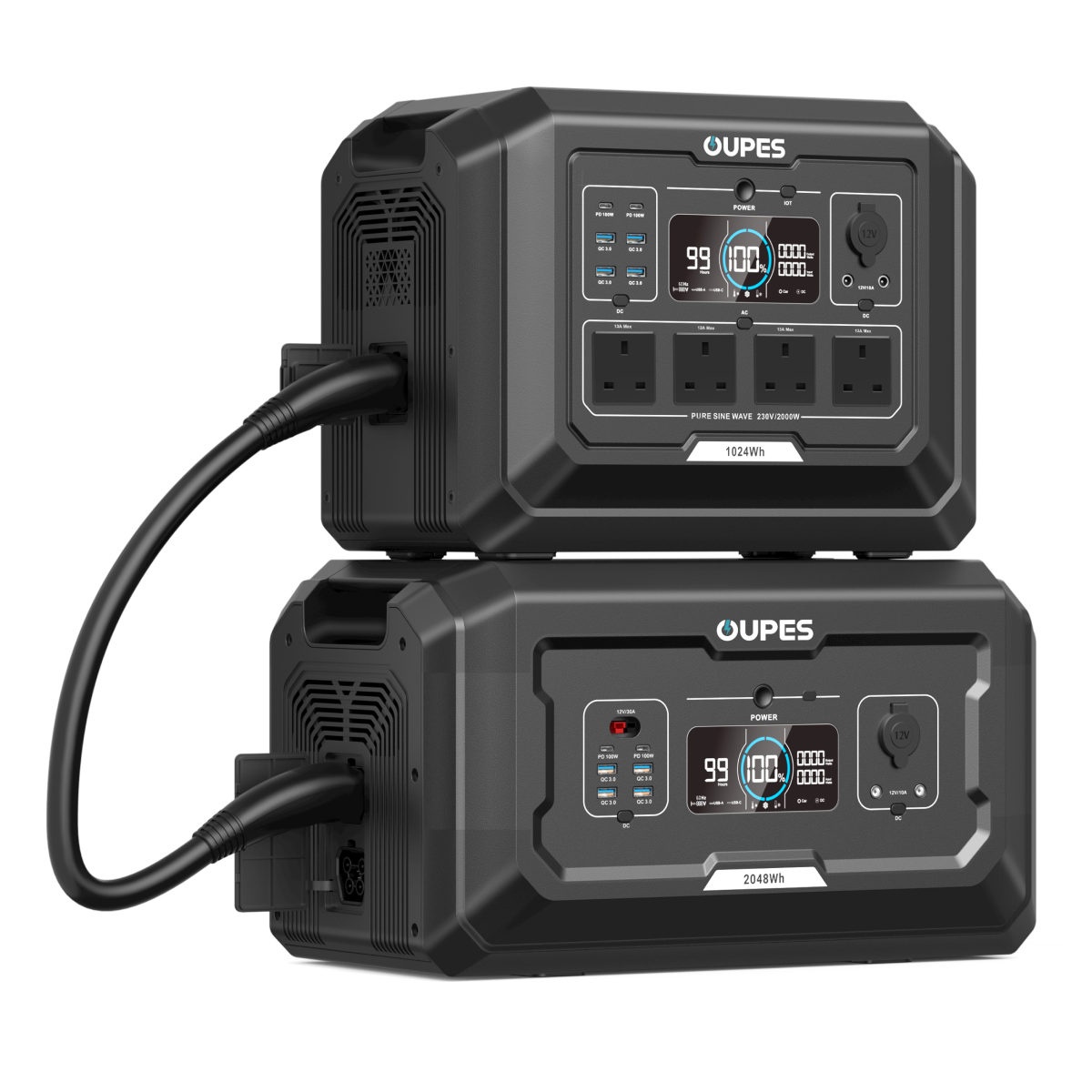
Modern systems, including those from OUPES, often feature LiFePO4 batteries, fast charging, solar compatibility, and multiple output options, making them suitable for a wide range of applications.
What “Worth It” Really Means
When evaluating whether a portable power station is worth it, you should consider:
- How often you will use it
- What devices you need to power
- Whether you need backup power for emergencies
- Your need for portability and off-grid capability
“Worth it” is not just about price—it is about reliability, convenience, and long-term value.
Key Benefits of Portable Power Stations
1. Clean and Safe Power
Portable power stations produce no emissions, making them safe for indoor use. This is a major advantage over fuel-based generators.
2. Silent Operation
They operate quietly, making them ideal for camping, home use, and nighttime operation.
3. Versatility
They can power a wide range of devices, including:
- Phones and laptops
- Lighting systems
- Refrigerators
- Small appliances
4. Emergency Preparedness
During power outages, a portable power station can keep essential devices running.
5. Solar Compatibility
Many models support solar charging, allowing you to generate power off-grid.
Cost vs Value Analysis
| Factor | Short-Term Cost | Long-Term Value |
|---|---|---|
| Initial Price | Moderate to High | One-time investment |
| Fuel Cost | None | Saves money over time |
| Maintenance | Minimal | Low ongoing cost |
| Lifespan | - | 5–10 years (LFP batteries) |
While the upfront cost may seem high, the lack of fuel and maintenance costs makes portable power stations cost-effective over time.
Real-World Use Scenarios
Home Backup Power
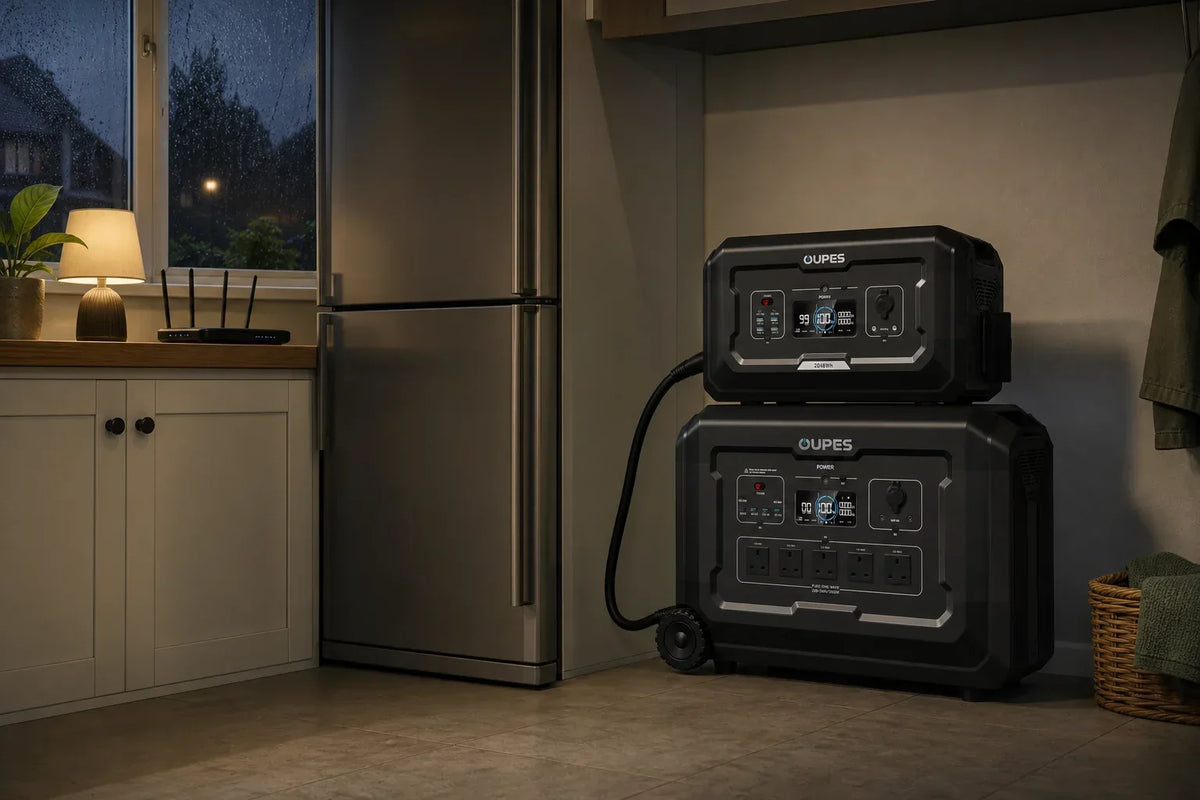
Portable power stations are highly valuable during outages. They can keep essential devices such as routers, lights, and refrigerators running.
Cinema and Outdoor Activities
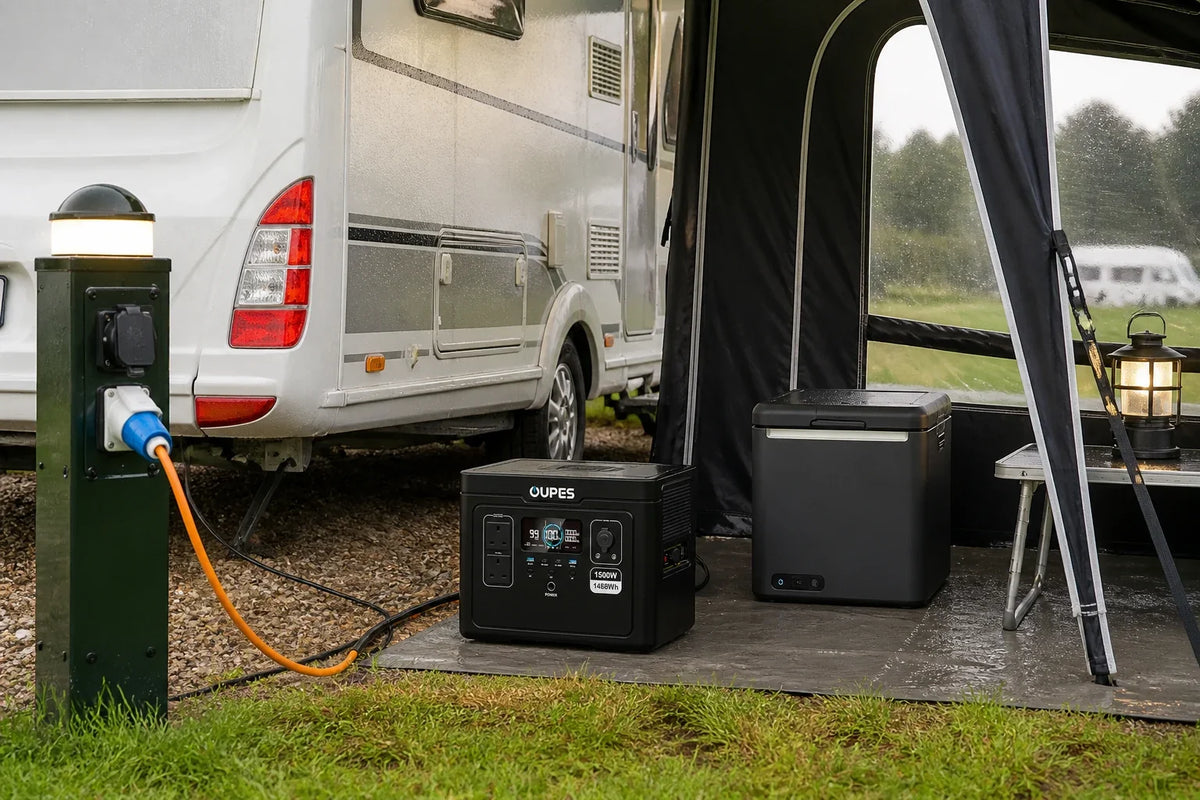
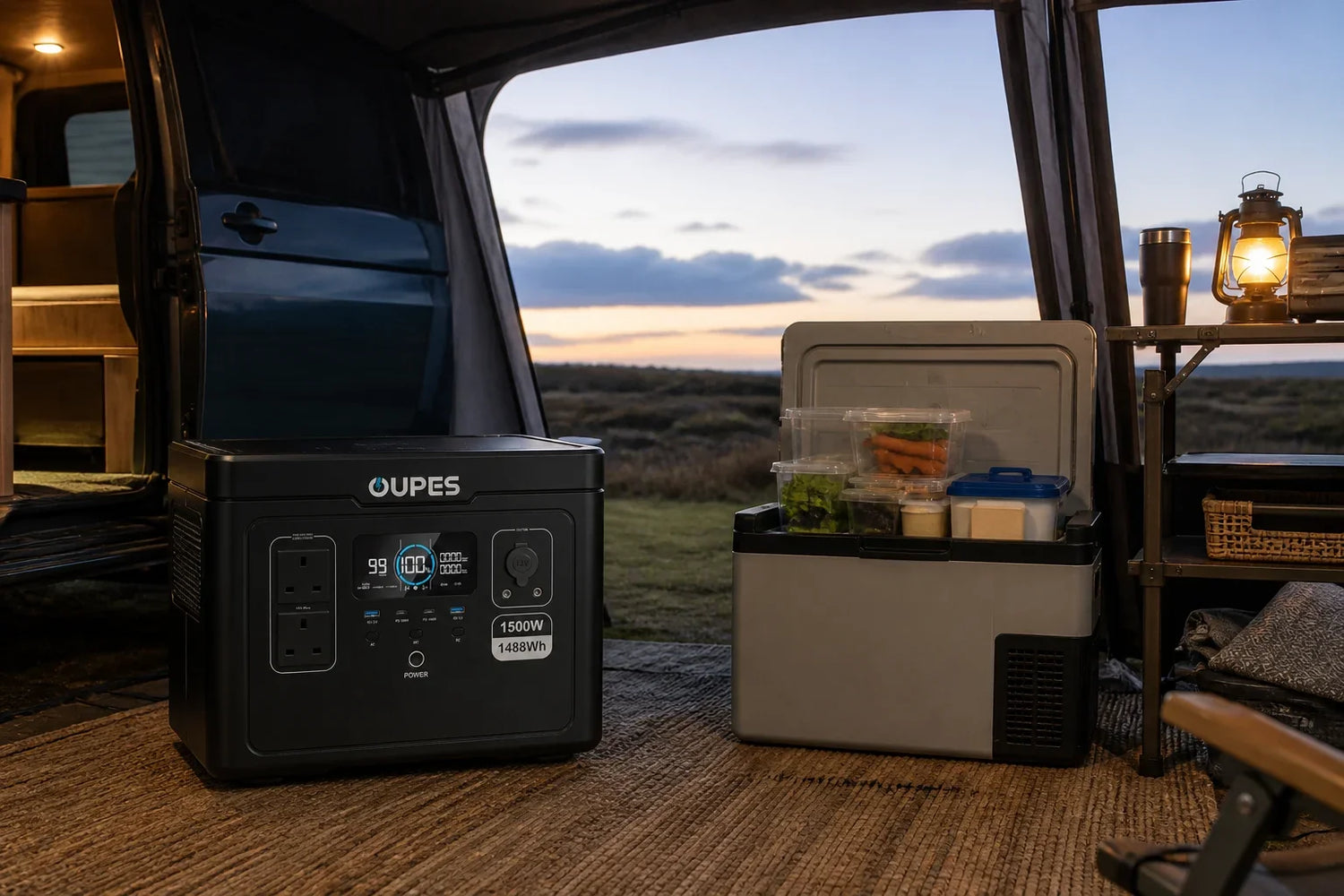
For camping and outdoor adventures, they provide reliable power without noise or fumes.
RV and Off-Grid Living
They enable flexible energy use in remote locations, especially when paired with solar panels.
Emergency Situations
In natural disasters, having a portable power source can be critical for communication and safety.
Portable Power Stations vs Traditional Alternatives
| Feature | Portable Power Station | Fuel Generator |
|---|---|---|
| Noise | Silent | Loud |
| Emissions | None | Produces fumes |
| Maintenance | Low | High |
| Indoor Use | Safe | Not safe |
| Operating Cost | Low | Fuel required |
This comparison shows why portable power stations are increasingly preferred for modern use.
Limitations You Should Know
Portable power stations are not perfect. Understanding their limitations helps set realistic expectations.
- Limited runtime compared to fuel generators
- Higher upfront cost
- Not ideal for high-power heating appliances
- Recharge time required
These limitations are important when deciding whether the investment makes sense for your needs.
OUPES Power Stations: Value Perspective
OUPES offers a range of portable power stations designed for different use cases:
- Entry-level models: Suitable for light outdoor use and basic backup
- Mid-range systems: Ideal for most users, balancing capacity and portability
- High-capacity systems: Designed for home backup and extended off-grid use
With LiFePO4 batteries, high output power, and expandability, these systems provide long-term value for users who need reliable portable energy.
Who Should Buy One?
A portable power station is worth it if you:
- Experience frequent power outages
- Enjoy camping or outdoor activities
- Need a backup power solution for emergencies
- Want a clean and quiet alternative to generators
It may not be necessary if your power needs are minimal or you rarely leave grid access.
Final Verdict
So, are portable power stations worth it? For most users, the answer is yes—especially if you value reliability, flexibility, and clean energy.
They are particularly valuable for emergency preparedness, outdoor use, and situations where traditional generators are impractical. While the initial cost may be higher, the long-term benefits often outweigh the investment.
Ultimately, the best way to determine value is to match the product to your real-world needs. If you rely on power in situations where the grid is unavailable, a portable power station is one of the most practical investments you can make.
FAQ
1. Are portable power stations worth the money?
Yes, especially for backup power, camping, and emergency use.
2. How long do portable power stations last?
Typically 5–10 years depending on battery type and usage.
3. Can they replace generators?
In many cases, yes, especially for indoor and small-scale use.
4. Are they good for emergencies?
Yes, they provide reliable power for essential devices.
5. Do they require maintenance?
Very little compared to fuel generators.
6. Can they be used daily?
Yes, they are suitable for both occasional and regular use.
7. Are they safe indoors?
Yes, they produce no emissions.
8. What is the biggest advantage?
Clean, quiet, and versatile power.

Leave a comment
This site is protected by hCaptcha and the hCaptcha Privacy Policy and Terms of Service apply.