




Table of Contents
- Introduction
- What Is a Portable Power Station?
- Are Portable Power Stations Safe Overall?
- Why Portable Power Stations Are Considered Safe
- Battery Technology and Safety
- Battery Management Systems (BMS)
- Potential Risks and How to Avoid Them
- Portable Power Stations vs Gas Generators
- Best Practices for Safe Use
- Safe Use in Different Scenarios
- Final Thoughts
- FAQ
Introduction
Portable power stations have become increasingly popular for camping, home backup, emergency preparedness, and off-grid living. As more people rely on these devices, a common and important question arises: are portable power stations safe?
The short answer is yes—modern portable power stations are designed with multiple safety features and are generally safe for everyday use. However, like any electrical device, they must be used properly to ensure maximum safety and performance.
This article provides a comprehensive, scenario-based explanation of portable power station safety, including how they work, why they are considered safe, potential risks, and best practices.
What Is a Portable Power Station?
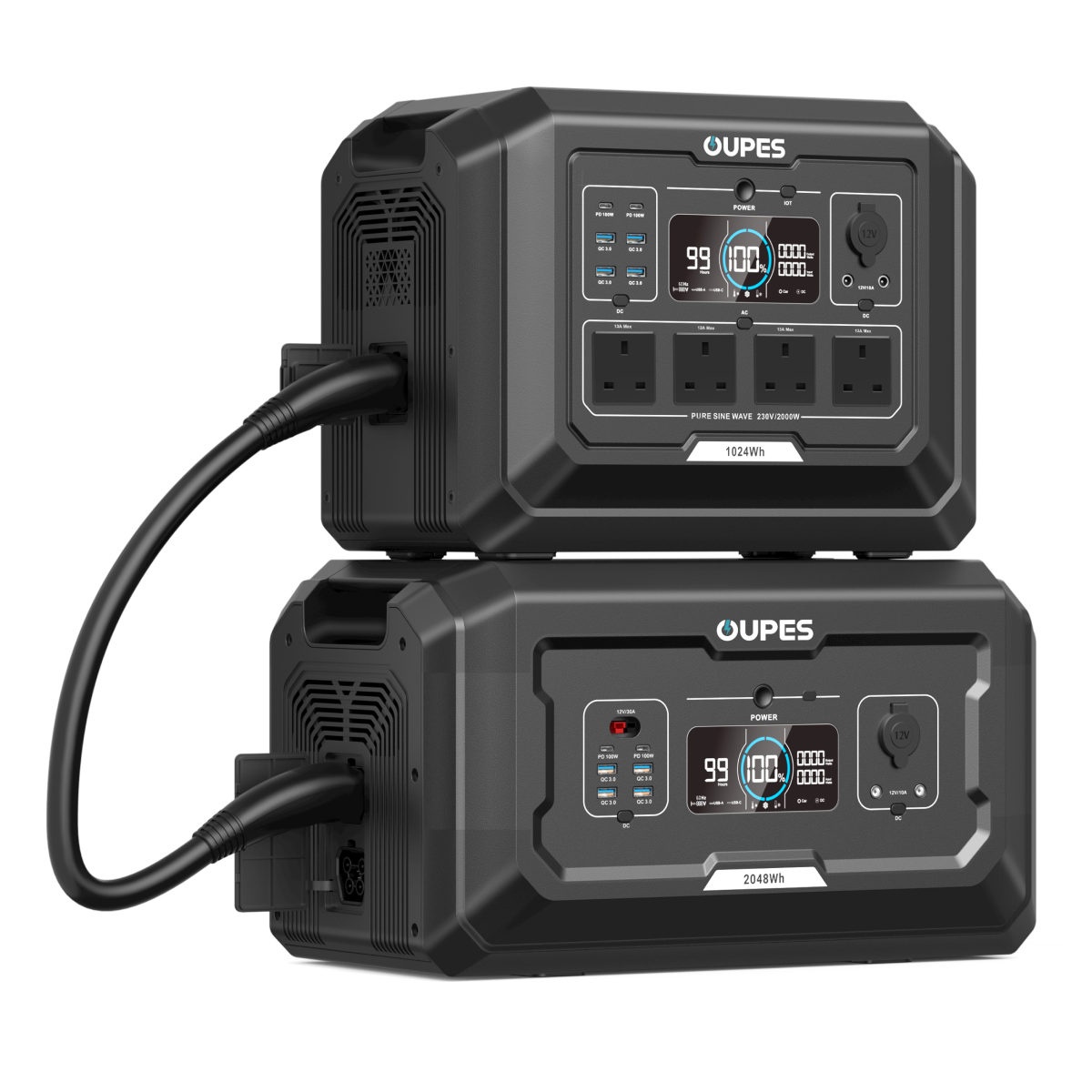
A portable power station is a rechargeable battery system that stores electricity and delivers it through multiple output ports such as AC outlets, USB ports, and DC connections. Unlike traditional generators, it does not use fuel or produce emissions.
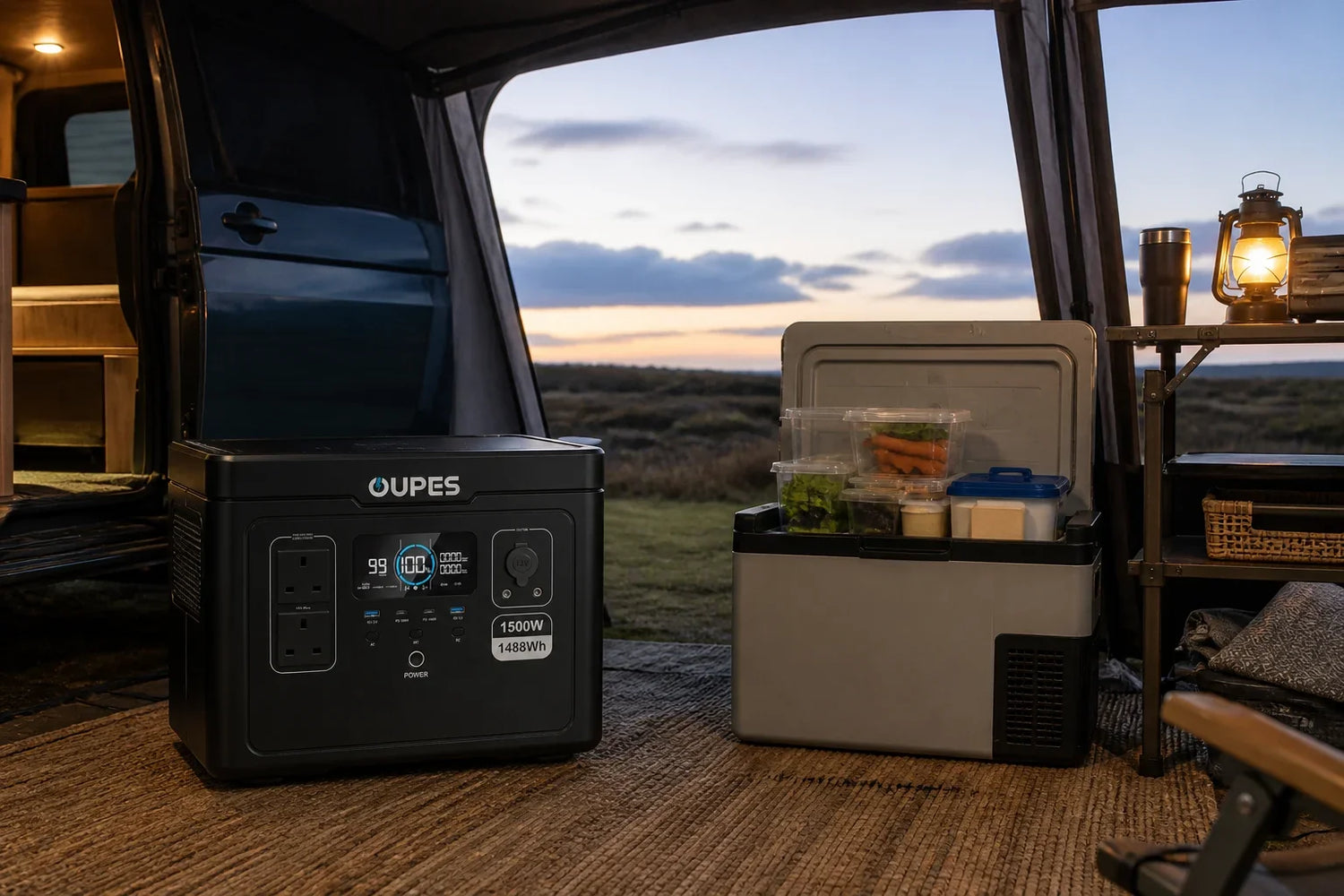
Modern systems, including those from OUPES, often support solar charging, fast AC charging, and advanced safety features, making them suitable for indoor and outdoor use.
Are Portable Power Stations Safe Overall?
Yes, portable power stations are generally very safe. In fact, they are considered significantly safer than traditional fuel-powered generators in most scenarios.
Their safety comes from three key factors:
- No combustion or fuel use
- Sealed battery systems
- Integrated electronic safety controls
Because they do not burn fuel, they do not produce carbon monoxide, which is one of the leading causes of generator-related injuries.
Why Portable Power Stations Are Considered Safe
No Emissions
Portable power stations do not produce fumes or toxic gases. This makes them safe for indoor use, unlike gas generators.
Silent Operation
They operate quietly, reducing stress and eliminating the need for outdoor placement due to noise concerns.
Stable Power Output
They provide consistent and regulated electricity, which protects sensitive devices like laptops and medical equipment.
Built-in Protection Systems
Modern units include protections against overcharging, overheating, and short circuits.
Battery Technology and Safety
The safety of a portable power station largely depends on its battery type.
| Battery Type | Safety Level | Lifespan | Thermal Stability |
|---|---|---|---|
| LiFePO4 (LFP) | Very High | 3000–3500+ cycles | Excellent |
| Lithium-ion | Moderate | 500–1000 cycles | Lower |
OUPES uses LiFePO4 battery technology, which is known for its high safety, longer lifespan, and better resistance to overheating compared to traditional lithium-ion batteries.
Battery Management Systems (BMS)
A Battery Management System (BMS) is one of the most critical safety components. It continuously monitors the battery and protects it from unsafe conditions.
Key protections include:
- Overcharge protection
- Over-discharge protection
- Overcurrent protection
- Short circuit protection
- Temperature monitoring
This system ensures the power station operates within safe limits at all times.
Potential Risks and How to Avoid Them
Although portable power stations are safe, improper use can create risks.
| Risk | Cause | Prevention |
|---|---|---|
| Overloading | Exceeding output capacity | Check wattage before connecting devices |
| Overheating | Poor ventilation | Use in well-ventilated areas |
| Water exposure | Rain or spills | Keep dry and protected |
| Improper charging | Using incompatible chargers | Use recommended charging methods |
Portable Power Stations vs Gas Generators
| Feature | Portable Power Station | Gas Generator |
|---|---|---|
| Emissions | None | Produces carbon monoxide |
| Noise | Silent | Loud |
| Indoor Use | Safe | Not safe |
| Maintenance | Minimal | Requires fuel and servicing |
This comparison highlights why portable power stations are increasingly preferred for modern use.
Best Practices for Safe Use
- Do not exceed the rated output capacity
- Keep the unit in a dry environment
- Ensure proper ventilation during operation
- Use manufacturer-approved charging methods
- Avoid dropping or physically damaging the unit
- Store in a cool, dry place when not in use
Safe Use in Different Scenarios
Indoor Use
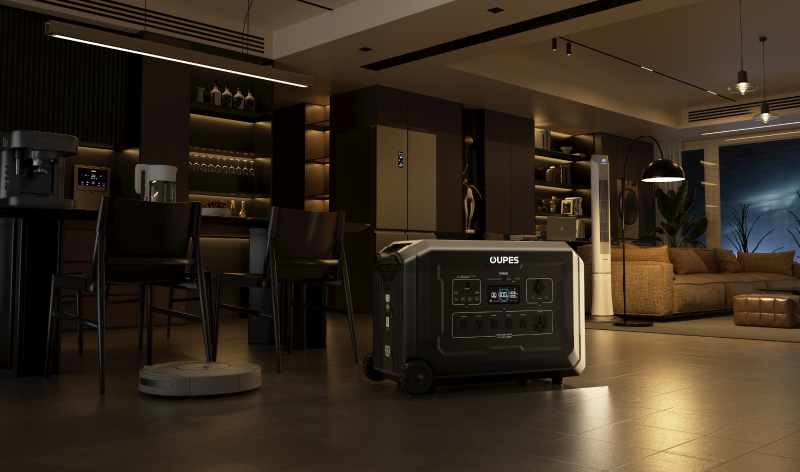
Portable power stations are safe indoors due to zero emissions, making them ideal for home backup.
Camping
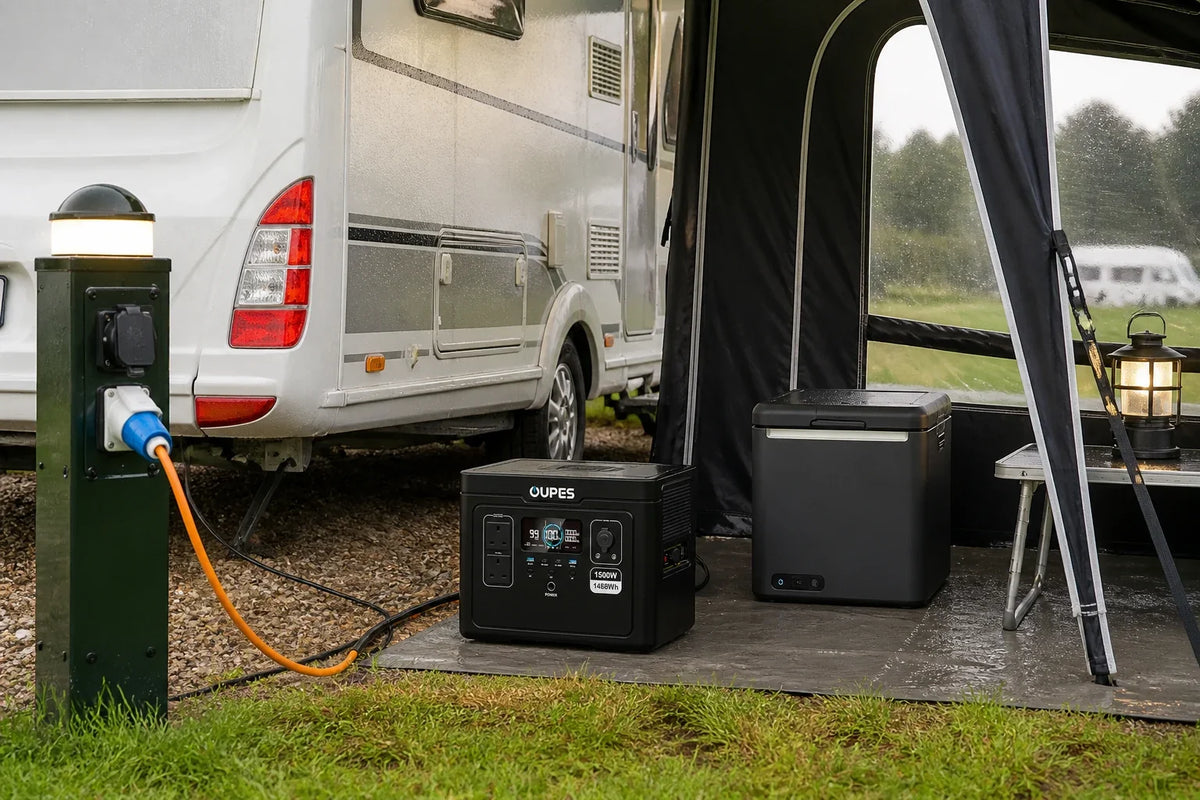
They are safe for tents and outdoor use, but should be protected from water and extreme weather.
Emergency Situations
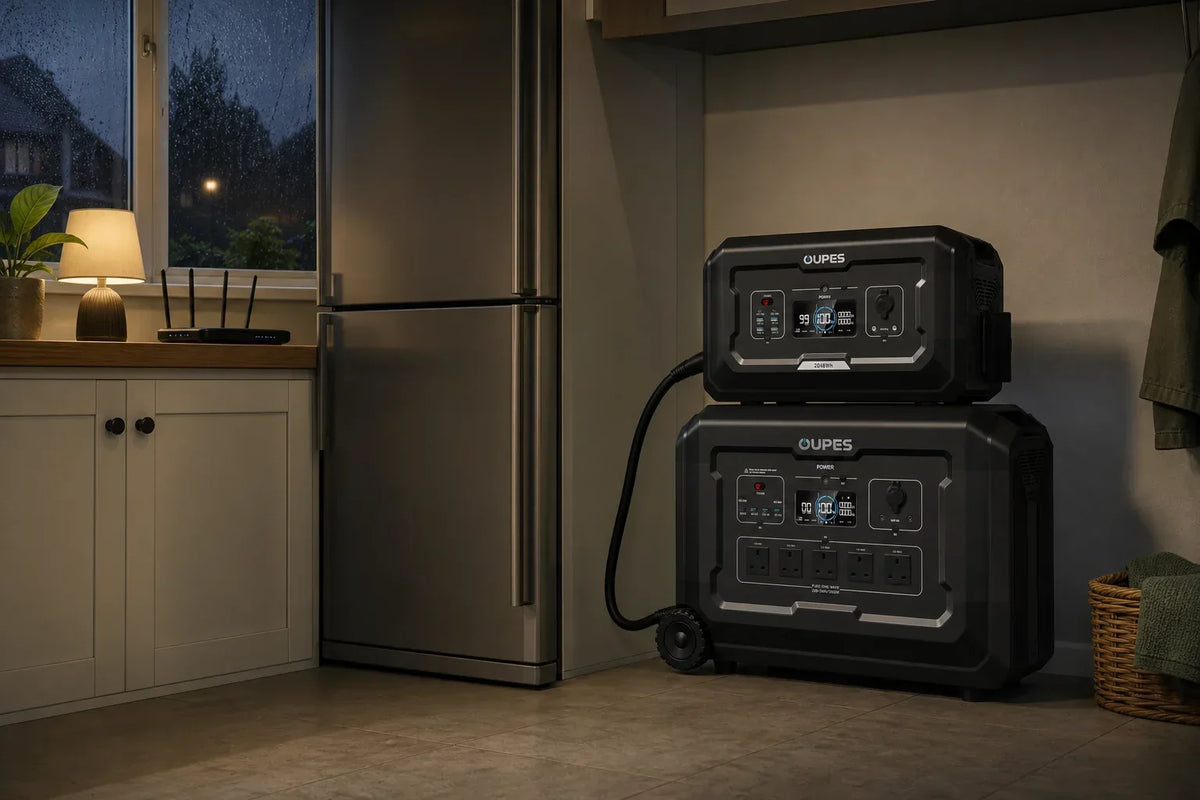
During outages, they provide a reliable and safe power source for essential devices.
RV and Off-Grid Use
They offer a clean and quiet alternative to traditional generators.
Final Thoughts
Portable power stations are among the safest power solutions available today. Their emission-free operation, advanced battery technology, and built-in safety systems make them suitable for a wide range of applications.
However, safety depends not only on design but also on proper use. By understanding how these systems work and following best practices, you can confidently use a portable power station for camping, home backup, or emergency preparedness.
With modern solutions like those offered by OUPES, users can enjoy reliable, safe, and efficient portable power without the risks associated with traditional generators.
FAQ
1. Are portable power stations safe to use indoors?
Yes, they produce no emissions and are safe for indoor use.
2. Can a portable power station overheat?
It can if used improperly, but built-in protections help prevent this.
3. Are LiFePO4 batteries safer?
Yes, they offer higher thermal stability and longer lifespan.
4. Can I leave a power station charging overnight?
Yes, most modern systems include overcharge protection.
5. Are portable power stations waterproof?
No, they should be kept dry unless specifically rated otherwise.
6. Can they replace gas generators?
In many cases, yes, especially for indoor and small-scale use.
7. What is the biggest safety advantage?
No emissions and built-in electronic protection systems.
8. Are they safe for long-term use?
Yes, especially with proper maintenance and usage.

Leave a comment
This site is protected by hCaptcha and the hCaptcha Privacy Policy and Terms of Service apply.