






Quick Answer
For single-phase apparent power, amps = kVA × 1,000 ÷ volts. At 230V, 1kVA is about 4.35A. For balanced three-phase line-to-line power, amps = kVA × 1,000 ÷ (√3 × line voltage). At 400V, 1kVA is about 1.44A per line.
A kVA-to-amps result is not a cable, breaker or generator design by itself. Confirm system voltage, phase arrangement, power factor, load type, harmonics, startup current and applicable electrical rules.
Key Facts
kVA measures apparent power; kW measures real power. They are related by power factor: kW = kVA × power factor for the relevant load condition.
| System | Formula | Typical UK Example | 1kVA Current |
|---|---|---|---|
| Single-phase | I = kVA × 1,000 ÷ V | 230V | 4.35A |
| Three-phase, line-to-line | I = kVA × 1,000 ÷ (√3 × V) | 400V | 1.44A |
| Three equal single-phase loads | I per phase = kVA × 1,000 ÷ (3 × V L-N) | 230V line-to-neutral | 1.45A |
How It Works
Voltage is electrical potential difference, current is the flow of charge and volt-amperes represent the product of RMS volts and amps in an AC circuit. Reactive loads can draw current that does not convert fully into useful real power.
Single-phase supply is common for homes and small loads. Three-phase systems distribute power across three phase conductors and are common in commercial or industrial settings. The correct formula depends on whether the quoted voltage is line-to-line or line-to-neutral.
Motors, compressors and transformers may draw a high starting current. A steady-state kVA calculation does not show that transient, so equipment selection requires the manufacturer’s startup information.
kVA to Amps Worked Examples
First confirm the nameplate kVA and voltage. Then identify the phase system. Keep units consistent and use 1.732 for √3 only in the balanced three-phase line-to-line formula.
For reverse conversion, single-phase kVA = volts × amps ÷ 1,000. Balanced three-phase kVA = √3 × line volts × line amps ÷ 1,000.
| Example | Calculation | Current |
|---|---|---|
| 2kVA, 230V single-phase | 2,000 ÷ 230 | 8.70A |
| 5kVA, 230V single-phase | 5,000 ÷ 230 | 21.74A |
| 10kVA, 400V three-phase | 10,000 ÷ (1.732 × 400) | 14.43A |
| 20kVA, 400V three-phase | 20,000 ÷ (1.732 × 400) | 28.87A |
Compare the Main Options
The following quick chart assumes the stated nominal voltage and a balanced load. It does not account for voltage tolerance or distorted current.
| kVA | 230V Single-Phase | 400V Three-Phase | Design Note |
|---|---|---|---|
| 1 | 4.35A | 1.44A | Small apparent-power load |
| 3 | 13.04A | 4.33A | Check continuous duty |
| 5 | 21.74A | 7.22A | May exceed a standard plug arrangement |
| 10 | 43.48A | 14.43A | Requires engineered distribution |
UK Planning Considerations
Use the actual system voltage and installation design rather than assuming every supply is identical. Domestic and commercial work should be assessed against the relevant UK wiring requirements by a competent person.
Never use the calculator to justify an improvised connection, undersized cable or bypassed protective device. The result is an input to engineering checks, not approval to connect a load.
For the underlying UK guidance or current figures, check IET information on BS 7671. Published tariffs, standards and safety advice can change, so verify the source again before acting.
Relevant OUPES UK Options
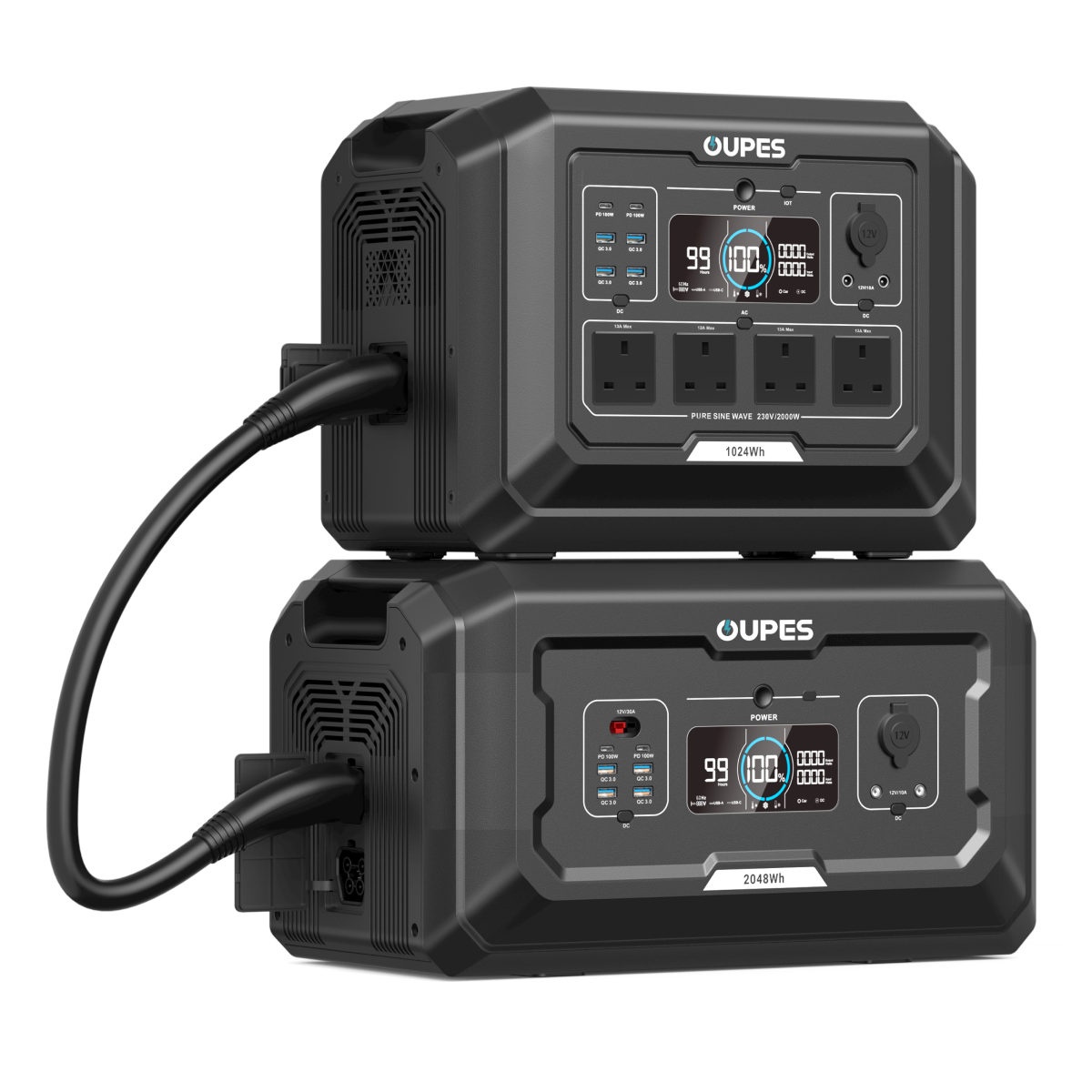
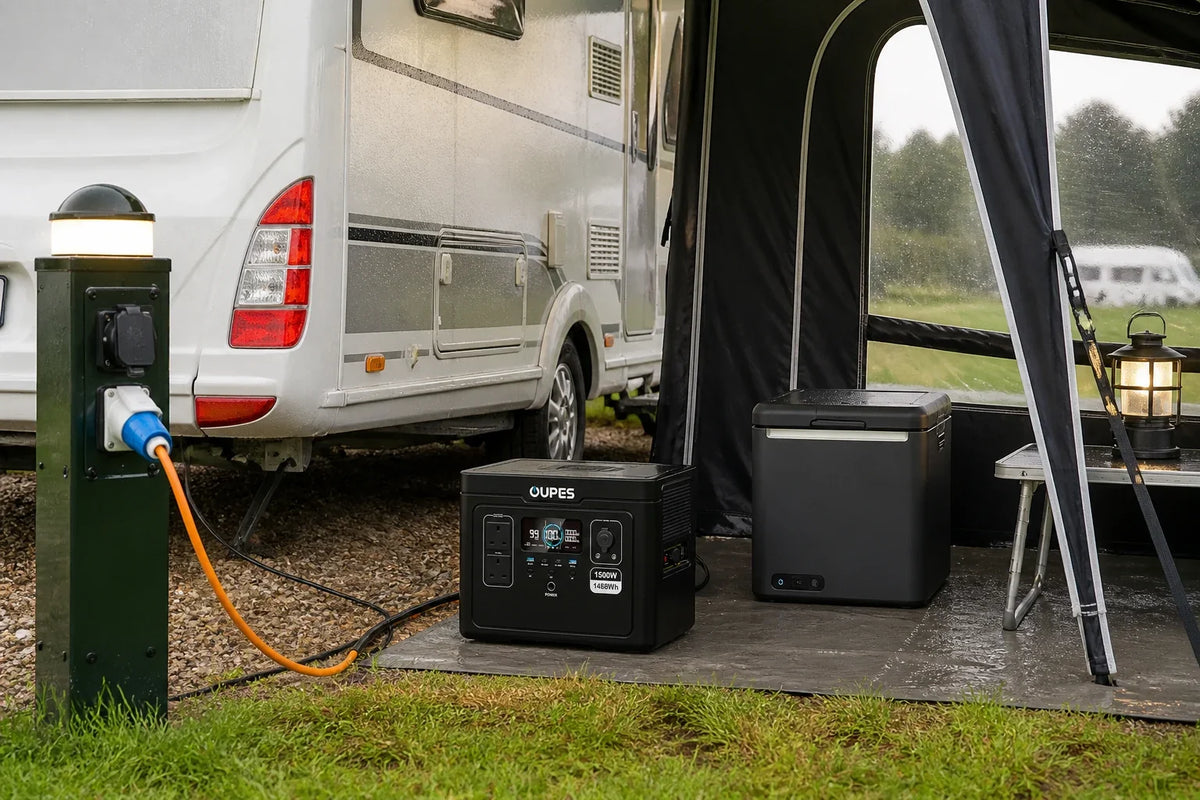
This topic does not require buying a power station. If portable energy is part of the wider plan, compare the OUPES UK portable power station range from measured watts, watt-hours and connector requirements rather than from the article topic alone.
| Question | Why It Matters | Action |
|---|---|---|
| What must be powered? | Prevents unnecessary capacity | List only essential devices |
| How many watt-hours are needed? | Determines approximate duration | Multiply average watts by hours |
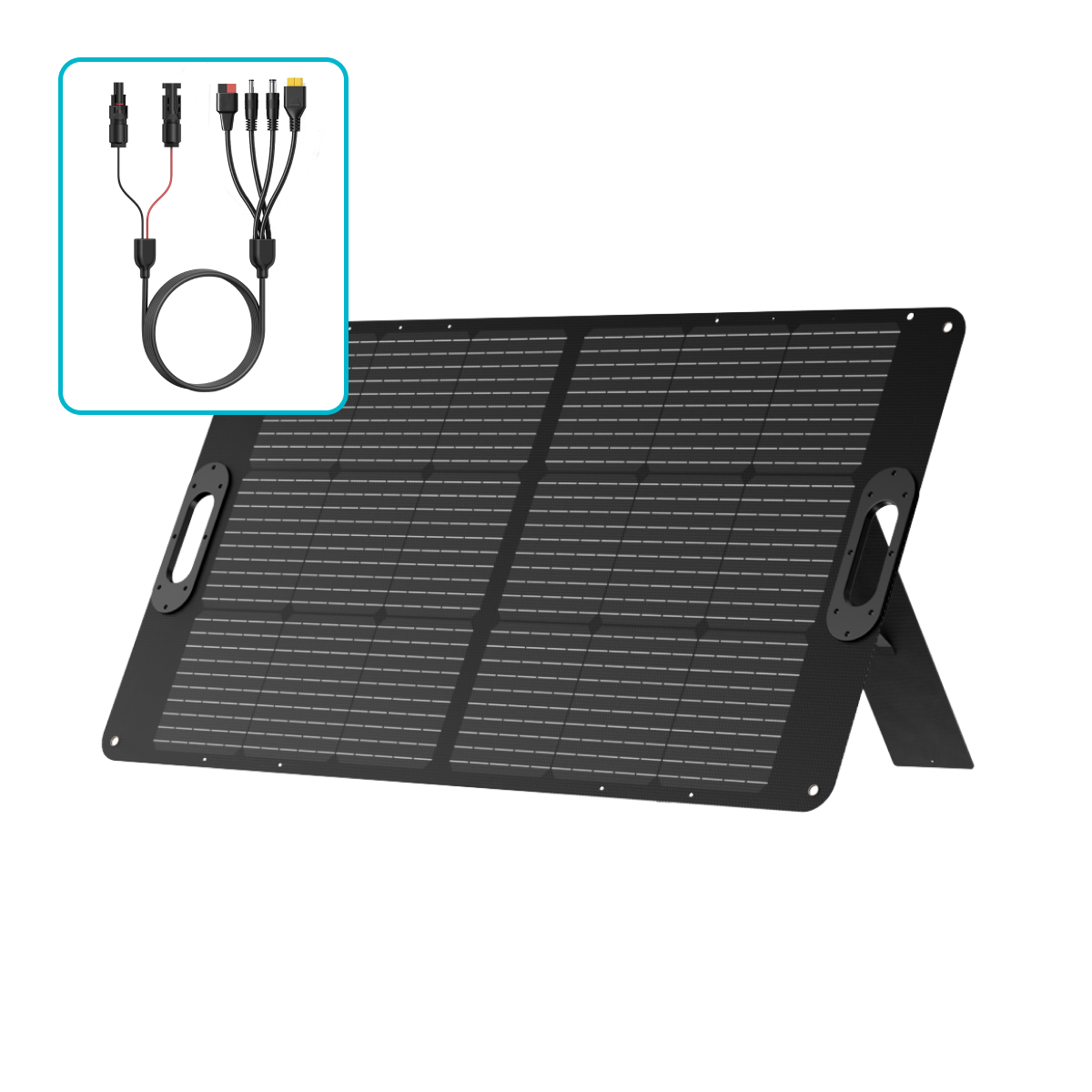
| How will it recharge? | Stored energy is finite | Check AC, vehicle and supported solar input |
Practical Checklist
Before using a kVA result:
- Confirm single-phase or three-phase configuration.
- Use the correct line or phase voltage.
- Check whether kVA or kW appears on the nameplate.
- Allow for power factor and starting current.
- Verify conductor, connector and protection ratings.
- Use a competent electrician for installation decisions.
Safety and Limitations
Currents at mains voltage can cause fatal electric shock and fire. Do not open distribution equipment or make fixed-wiring changes based only on an online formula.
Portable power station wattage does not translate directly into a safe kVA supply for arbitrary equipment. Output waveform, voltage, earthing, neutral arrangement, surge duration and sockets all require verification.
Final Verdict
Use the single-phase formula for one AC phase and the √3 formula for balanced three-phase line-to-line systems. Then treat the calculated current as the start of an electrical design check, not the final answer.
Frequently Asked Questions
1. How many amps is 1kVA at 230V?
About 4.35A for single-phase apparent power.
2. How many amps is 10kVA at 400V three-phase?
About 14.43A per line for a balanced line-to-line system.
3. Is kVA the same as kW?
Only at a power factor of 1; otherwise kW is lower than kVA.
4. Why does three-phase use √3?
It arises from the 120-degree phase relationship between the three line voltages.
5. Does the result include motor startup current?
No. Startup or locked-rotor current must be checked separately.
6. Can I size a cable from kVA alone?
No. Installation method, protection, ambient conditions, voltage drop and regulations also matter.



Leave a comment
This site is protected by hCaptcha and the hCaptcha Privacy Policy and Terms of Service apply.