




Quick Answer
Electricity is cheaper at night only if your tariff has different rates by time. Economy 7 usually provides seven off-peak hours, while smart time-of-use tariffs can have other windows and prices. A single-rate tariff charges the same unit rate day and night.
Savings depend on moving enough consumption into the cheaper period without paying an excessive peak rate. Check the tariff schedule, meter configuration, standing charge and full annual pattern before switching.
Key Facts
There is no universal UK “night rate”; the contract and meter determine what applies.
| Tariff Type | Night Price | Timing | Best Fit |
|---|---|---|---|
| Single rate | Same as day | No off-peak window | Evenly spread use |
| Economy 7 | Lower off-peak unit rate | Seven hours, exact times vary | Storage heating and overnight loads |
| Economy 10 | Multiple off-peak periods | Supplier and region vary | Compatible heating patterns |
| Smart time-of-use | Dynamic or scheduled rates | Tariff-specific | Flexible controllable loads |
How It Works
Multi-rate tariffs often pair a cheaper off-peak rate with a more expensive peak rate. A household that cannot shift enough heating, hot water, EV charging or appliance use may pay more overall.
Clock changes, region, meter type and supplier arrangements can affect off-peak times. Never assume midnight to 7am; obtain the exact schedule from the supplier.
Smart tariffs may reward use during low-demand periods, but prices and terms can change. Automation should fail safely and preserve comfort and essential needs.
Calculate Whether a Night Tariff Saves Money
Annual cost = peak kWh × peak rate + off-peak kWh × off-peak rate + standing charges. Compare that total with the same annual kWh on the best available single-rate tariff.
If charging a battery at night for daytime use, include round-trip losses and battery degradation. Delivered daytime cost is approximately off-peak rate divided by round-trip efficiency, before equipment cost.
| Scenario | Calculation | Indicative Result | Lesson |
|---|---|---|---|
| 1kWh shifted: 10p night vs 30p day | 30p − 10p | 20p gross saving | Before losses |
| Battery at 85% round trip | 10p ÷ 0.85 | 11.76p delivered energy | Loss raises effective cost |
| 3,000kWh: 40% at 10p, 60% at 30p | 1,200×10p + 1,800×30p | £660 plus standing charge | Compare whole year |
| Single rate at 24p for 3,000kWh | 3,000×24p | £720 plus standing charge | Illustrative £60 difference |
Compare the Main Options
A tariff comparison must use the household’s own half-hourly or meter-register data where possible.
| Question | Why It Matters | Evidence | Decision |
|---|---|---|---|
| How much can move? | Determines cheap-rate share | Smart-meter or appliance data | Model annual cost |
| What is peak rate? | Can erase savings | Tariff sheet | Compare weighted average |
| What are exact hours? | Controls scheduling | Supplier confirmation | Set timers correctly |
| Are there exit fees? | Affects switching | Contract terms | Include in comparison |
UK Planning Considerations
Ofgem’s Economy 7 consumer guide states that Economy 7 offers seven hours of cheaper electricity, usually between midnight and 7am, but exact times vary by supplier, region and meter.Only run washing machines, tumble dryers or dishwashers unattended if the manufacturer and fire-safety guidance permit it. A lower price does not outweigh safe appliance use.
For the underlying UK guidance or current figures, check Ofgem Economy 7 consumer guide. Published tariffs, standards and safety advice can change, so verify the source again before acting.
Relevant OUPES UK Options
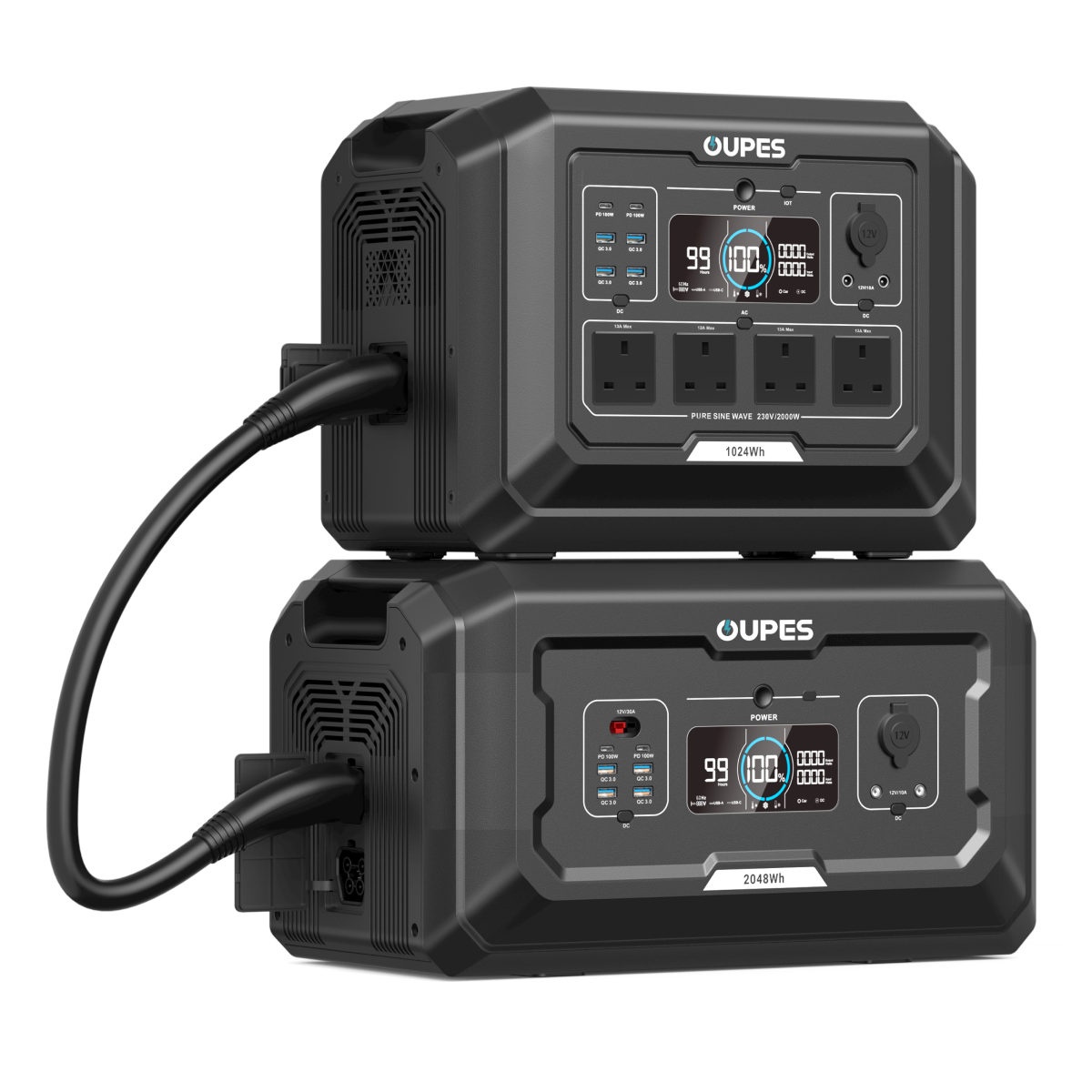
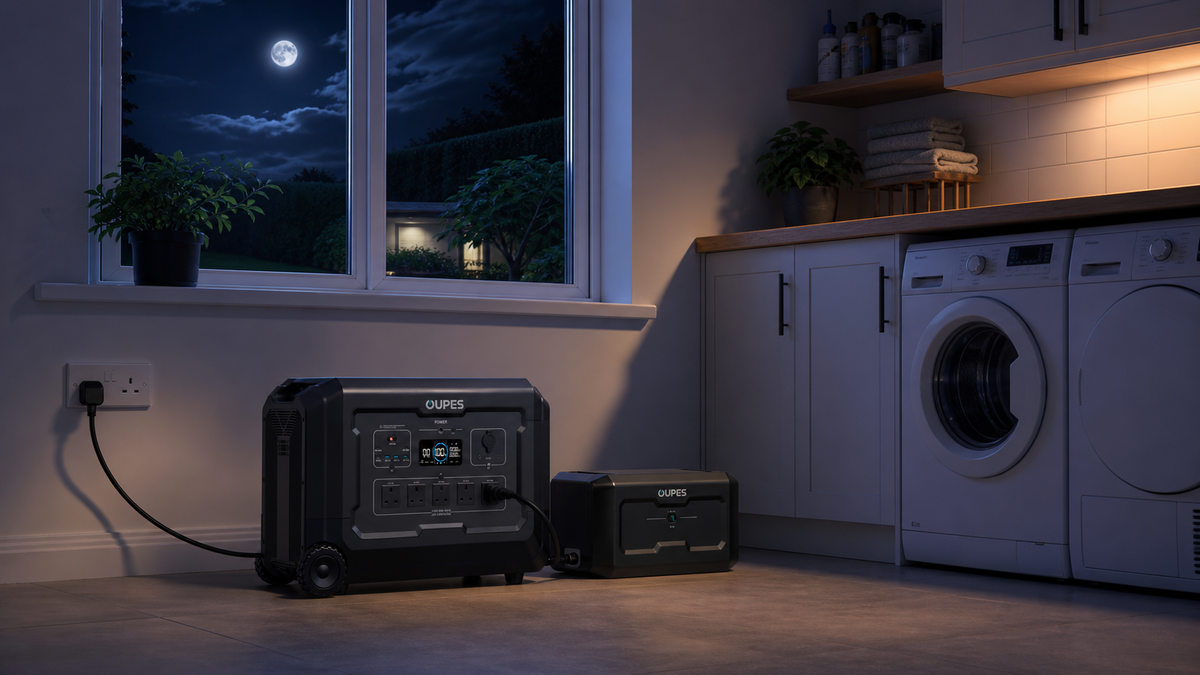
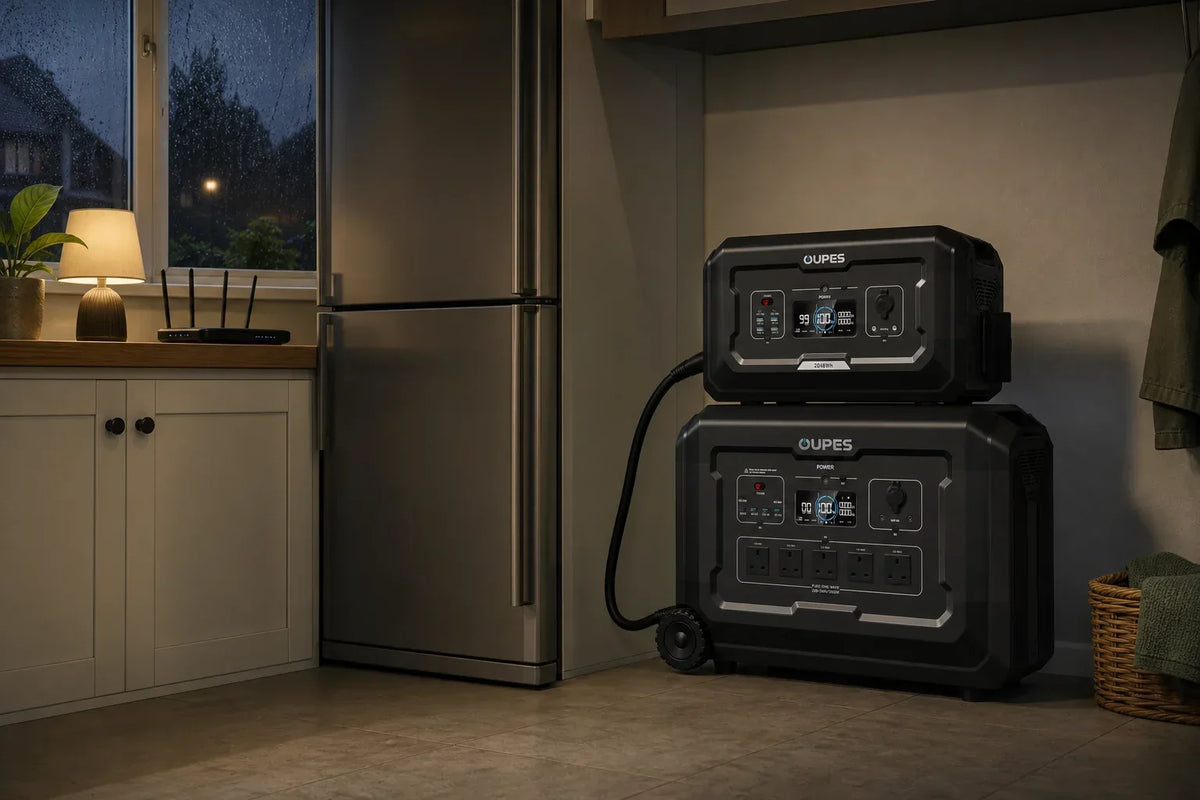
An OUPES UK battery may shift stored energy between tariff periods, but savings are not guaranteed. Model charging limits, conversion loss, cycle life, standby use and purchase cost before buying for arbitrage.
| UK-Site Product | Capacity | Rated Output | Solar | Planning Role |
|---|---|---|---|---|
| OUPES Mega 1 | 1,024Wh | 2,000W | Up to 800W | Portable everyday loads and shorter backup sessions |
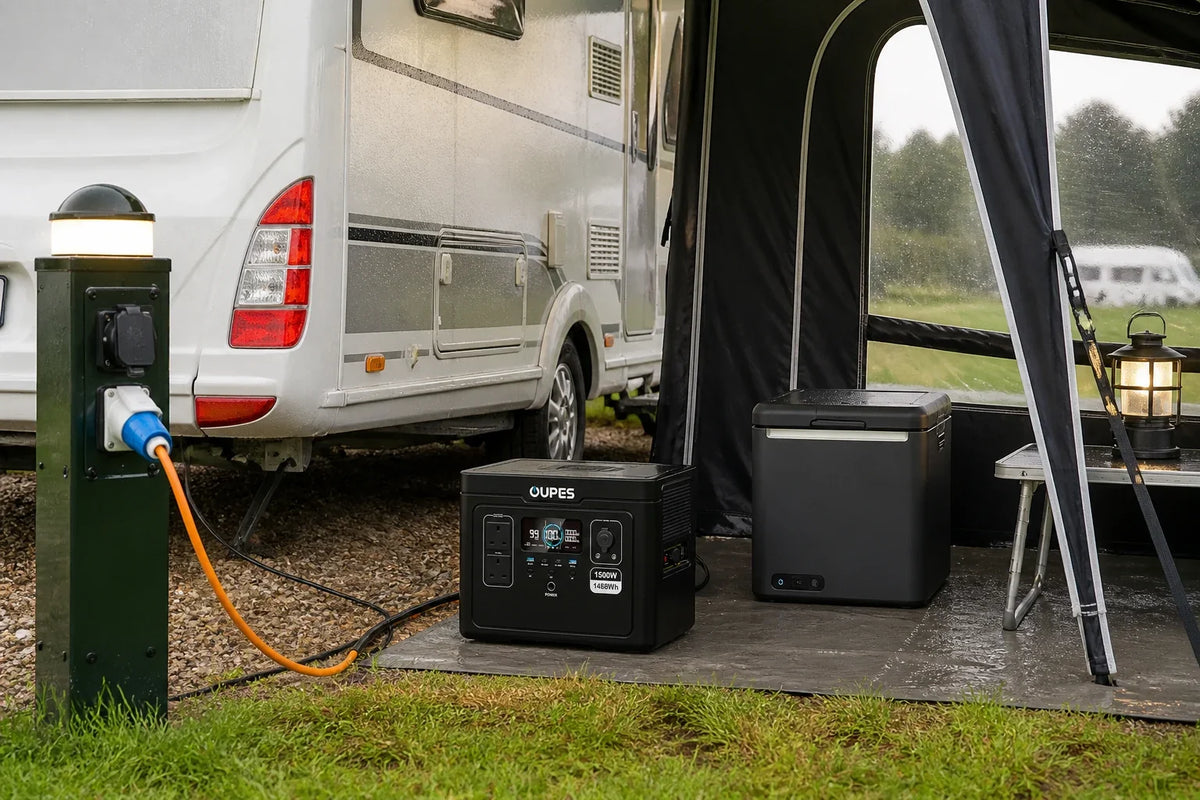
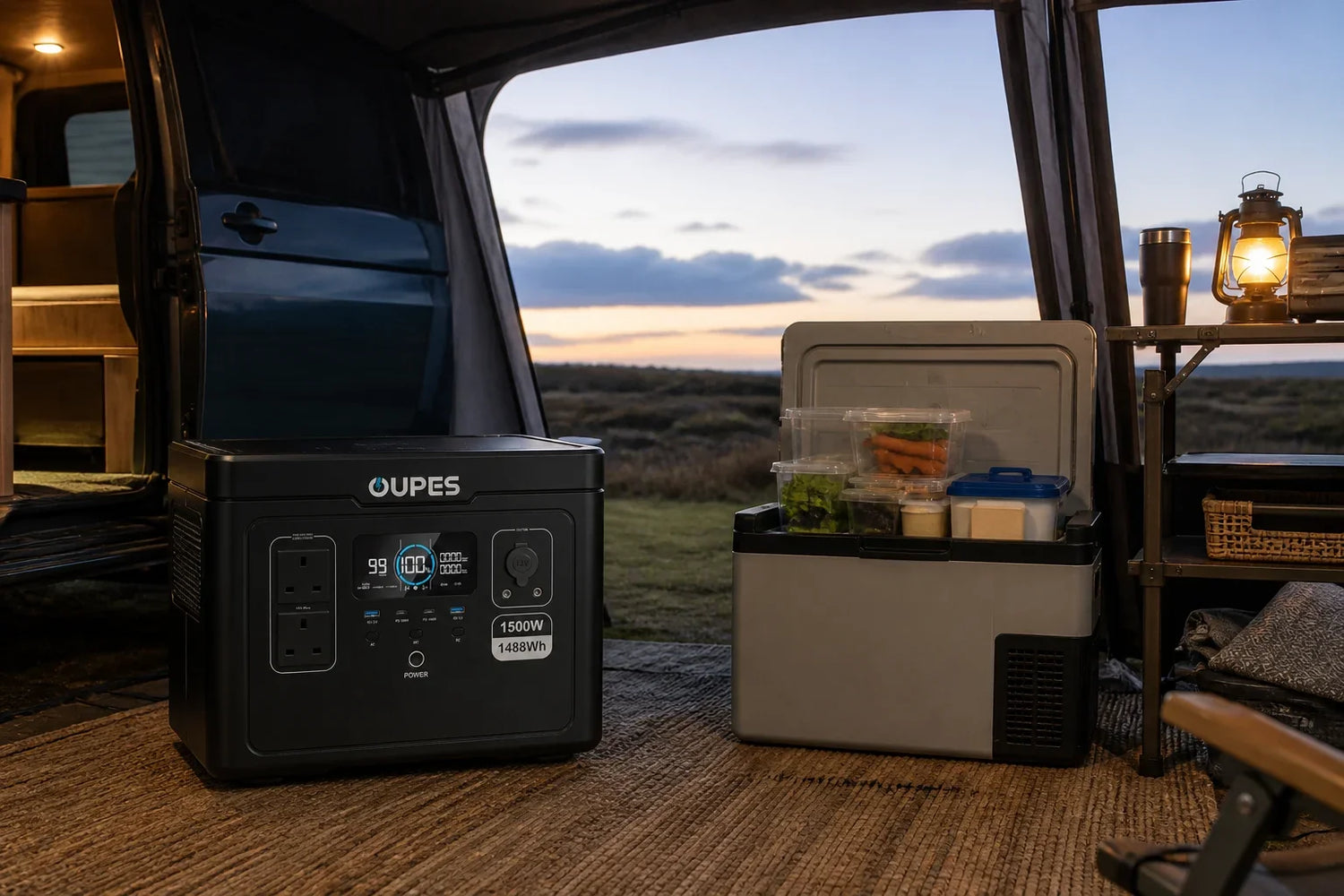
| OUPES Exodus 1500 | 1,488Wh | 1,500W | Up to 480W | Longer low-to-medium-load use where portability matters |
| OUPES Exodus 2400 | 2,232Wh | 2,400W | Up to 800W | Higher energy budgets and compatible higher-power appliances |
| OUPES Mega 3 | 3,072Wh | 3,600W | Up to 2,100W | Large loads, longer backup plans and expandable storage |
| OUPES B2 Extra Battery | 2,048Wh | USB and 12V DC outputs | Up to 2,100W independent solar input | Expanding compatible Mega 1 or Mega 3 systems |
Before ordering from the UK store, confirm the current supplied model’s AC voltage, socket format, cables and appliance compatibility on the product page. Do not infer compatibility from wattage alone.
Practical Checklist
Before choosing a multi-rate tariff:
- Download at least a year of consumption data.
- Confirm exact off-peak hours.
- Record peak, off-peak and standing charges.
- Estimate realistically shiftable kWh.
- Include battery losses and equipment cost.
- Review tariff terms and exit fees.
Safety and Limitations
Do not create unsafe overnight charging arrangements. Use intact manufacturer-approved cables, suitable outlets, ventilation and smoke detection.
Do not connect portable batteries to fixed household circuits without an approved professionally designed transfer system.
Final Verdict
Night electricity is cheaper only on a qualifying tariff. Calculate the entire annual bill, not the headline night rate, and include losses and equipment cost before using battery storage to shift energy.
Frequently Asked Questions
1. Is electricity always cheaper after midnight?
No. A single-rate tariff costs the same, and multi-rate times vary.
2. What is Economy 7?
A tariff with seven cheaper off-peak hours and a separate peak rate.
3. Are Economy 7 hours always midnight to 7am?
No. That is common, but supplier, region, meter and clock changes can affect timing.
4. Can I save by charging a battery at night?
Possibly, if the price spread exceeds conversion losses, degradation and equipment cost.
5. Does the price cap mean the night rate is fixed?
No. Tariff rates and structures vary; check current supplier terms.
6. Who benefits most from time-of-use tariffs?
Households able to shift a substantial share of safe, controllable consumption into cheaper periods.

Leave a comment
This site is protected by hCaptcha and the hCaptcha Privacy Policy and Terms of Service apply.