






inverter electric generator planning starts with a simple truth: the name of the product category does not tell you how long your appliances will run. For portable work, camping and emergency electricity, the dependable route is to record the real load, separate power from energy, allow for losses and poor charging conditions, and then choose equipment that stays inside every limit.
This UK guide explains how inverter fuel generators and battery inverters solve different problems. It uses published OUPES UK product-table figures as practical examples, but it does not replace an appliance manual, campsite rule, electrical assessment or product manual. Prices and promotional claims are deliberately excluded because they change and do not determine electrical suitability.
Quick Answer: Start With the Load, Not the Label
Write down what must work, what can wait and what may run at the same time. For this topic, a useful starting load is sensitive electronics plus occasional higher-power equipment. The source must satisfy the highest realistic simultaneous watts—including startup behaviour—and also store enough watt-hours for the required duration. Charging must then replace that energy before the next period of use.
A sensible choice is not simply the largest unit available. Oversizing can make transport and storage awkward, while undersizing leads to overloads or disappointing runtime. Decide whether the priority is portability, quiet operation, long duration, high-power appliances or renewable recharging; those priorities determine which compromise is acceptable.
Define What Inverter Electric Generator Must Do
Create three groups. “Essential” covers safety, communication, refrigeration or critical work. “Useful” includes comfort and convenience. “Optional” can be switched off when energy is scarce. This hierarchy keeps one demanding appliance from consuming the reserve intended for several modest essentials.
Record the location and operating pattern too. An indoor household backup plan has different placement constraints from a wet campsite. A caravan has limited storage and a managed electrical system. A cabin may need several days of autonomy. The same inverter electric generator can therefore be a good fit in one plan and the wrong fit in another.
A fuel generator creates electricity while its engine runs; a battery power station stores electricity charged earlier. The engine option can continue after refuelling but brings exhaust, fuel handling, routine maintenance and audible operation. A battery unit has no combustion at the point of use and is much quieter, but its energy is finite until mains, vehicle or solar charging restores it.
Fuel generators must stay outdoors in a location that prevents exhaust entering tents, vehicles or buildings. A quieter enclosure does not make combustion safe indoors. Battery equipment also needs dry, ventilated placement and suitable cables, but it avoids the carbon-monoxide pathway associated with an engine.
Separate Watts, Watt-Hours and Startup Demand
Watts (W) are the rate of power at a moment. Watt-hours (Wh) are energy used across time. Multiply an appliance’s input watts by hours of operation to obtain a first-pass energy estimate. Add the watt-hours for all devices, but compare the watts of devices that overlap with the power station’s continuous-output rating.
Motors and compressors may demand more power when starting. Thermostats and compressors also cycle, so measured energy over a representative period can be more useful than assuming the label wattage is continuous. Conversion losses, standby consumption, temperature and battery-protection limits mean the full nameplate capacity should not be treated as energy guaranteed at the socket.
A Transparent Sizing Example
Assume the main load averages 600W for 4 hours. The simple energy calculation is 600W × 4h = 2,400Wh. That is not yet a purchase recommendation. Add the energy from other devices, allow for conversion and standby losses, and retain reserve for a longer session or a delayed recharge.
Next check power separately. If several appliances overlap, add their normal watts and examine the highest plausible startup event. A 2,000W-rated source can only be considered when the entire simultaneous load remains within its documented output and outlet limits. Extra battery capacity cannot correct an inverter that is too small, and extra output cannot create missing runtime.
Finally test the plan at home. Run the actual devices for a realistic period, observe energy consumption and verify that cables and plugs remain normal. A test exposes cycling, standby use and unexpected overlap that a spreadsheet may miss. Repeat the test for the hardest relevant season rather than relying only on mild-weather performance.
Compare the Options on Equal Terms
| Decision point | Fuel generator | Battery power station |
|---|---|---|
| Energy source | Fuel consumed while running | Stored electricity; recharge required |
| At point of use | Engine noise and exhaust | Quiet electronics; no combustion |
| Duration | Continues with safe refuelling | Limited by watt-hours and recharge |
| Indoor use | Never in enclosed occupied spaces | Follow battery ventilation and placement instructions |
| Maintenance | Engine, fuel and storage care | Battery state, cables and firmware/manual care |
Use identical assumptions for every option. Compare usable duration for the same load, not just capacity labels; compare recharge time under the same available source, not an ideal headline; and compare what a person can actually carry and store. Also check included components because a power station, solar-generator kit and home-backup bundle are different product categories.
The UK portable power station range is the appropriate place to compare individual battery units, while home backup power options can help when the topic needs a more specialised category. Keep collection research separate from the final electrical check: the current product page and manual remain the source for model-specific connections and operating limits.
Plan for UK Weather, Sites and Charging
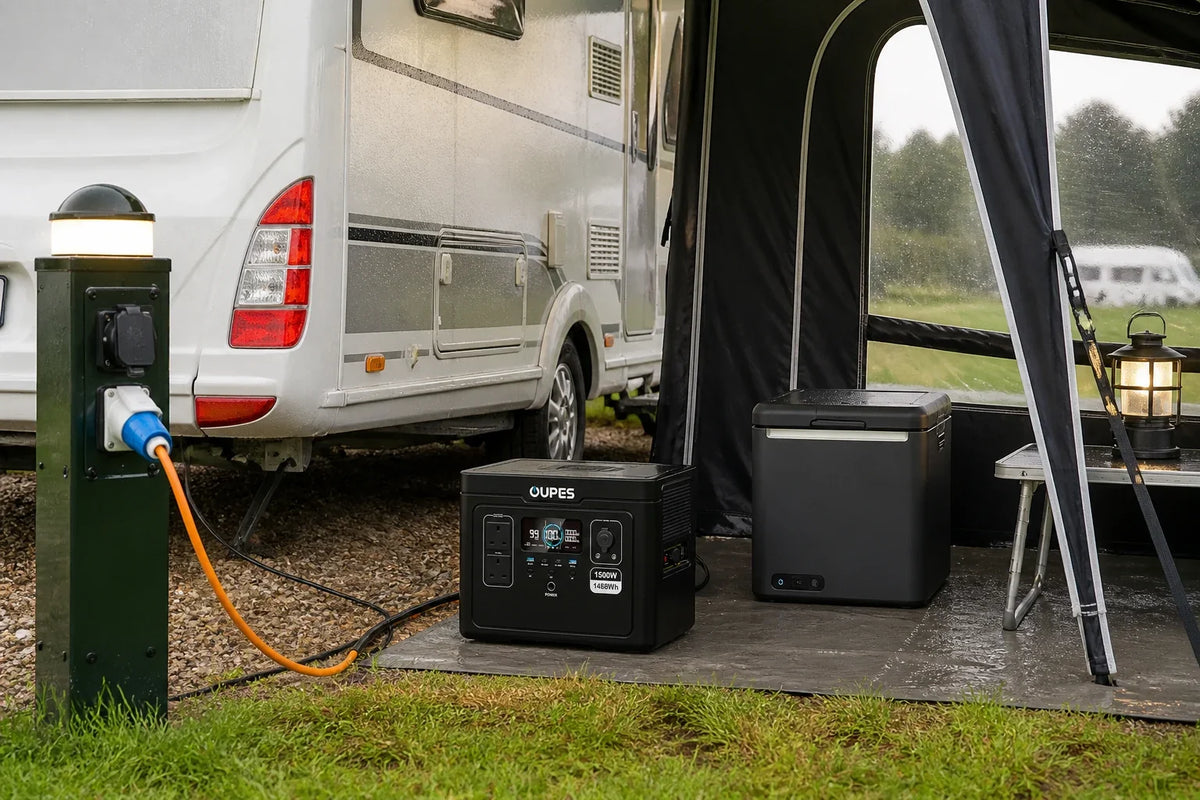
British trips and outages can involve damp conditions, cool batteries, short winter daylight and rapidly changing cloud. Store and operate equipment within its documented temperature and moisture limits. Keep it off wet ground, protect connectors, maintain ventilation and route leads where people cannot trip or vehicles cannot crush them.
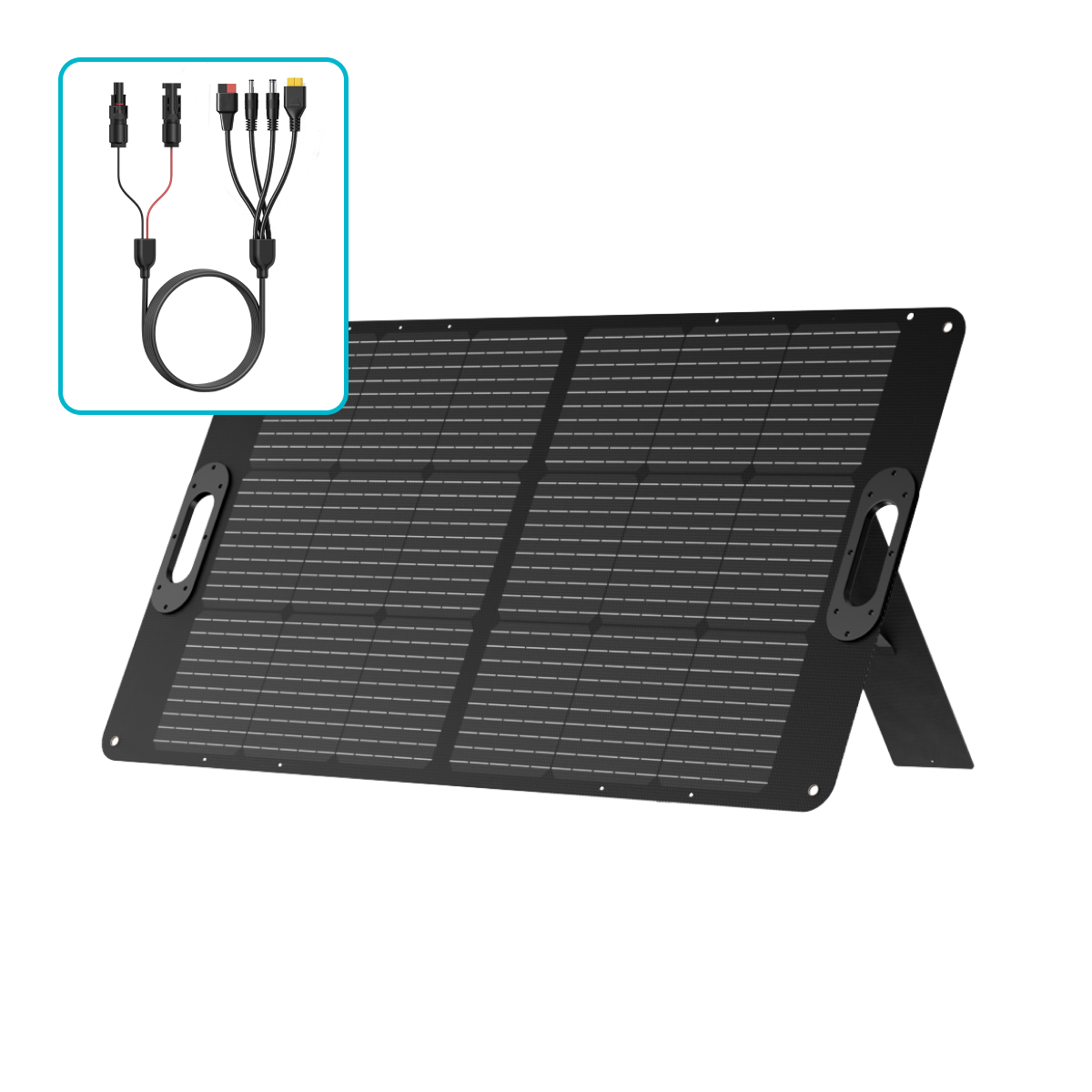
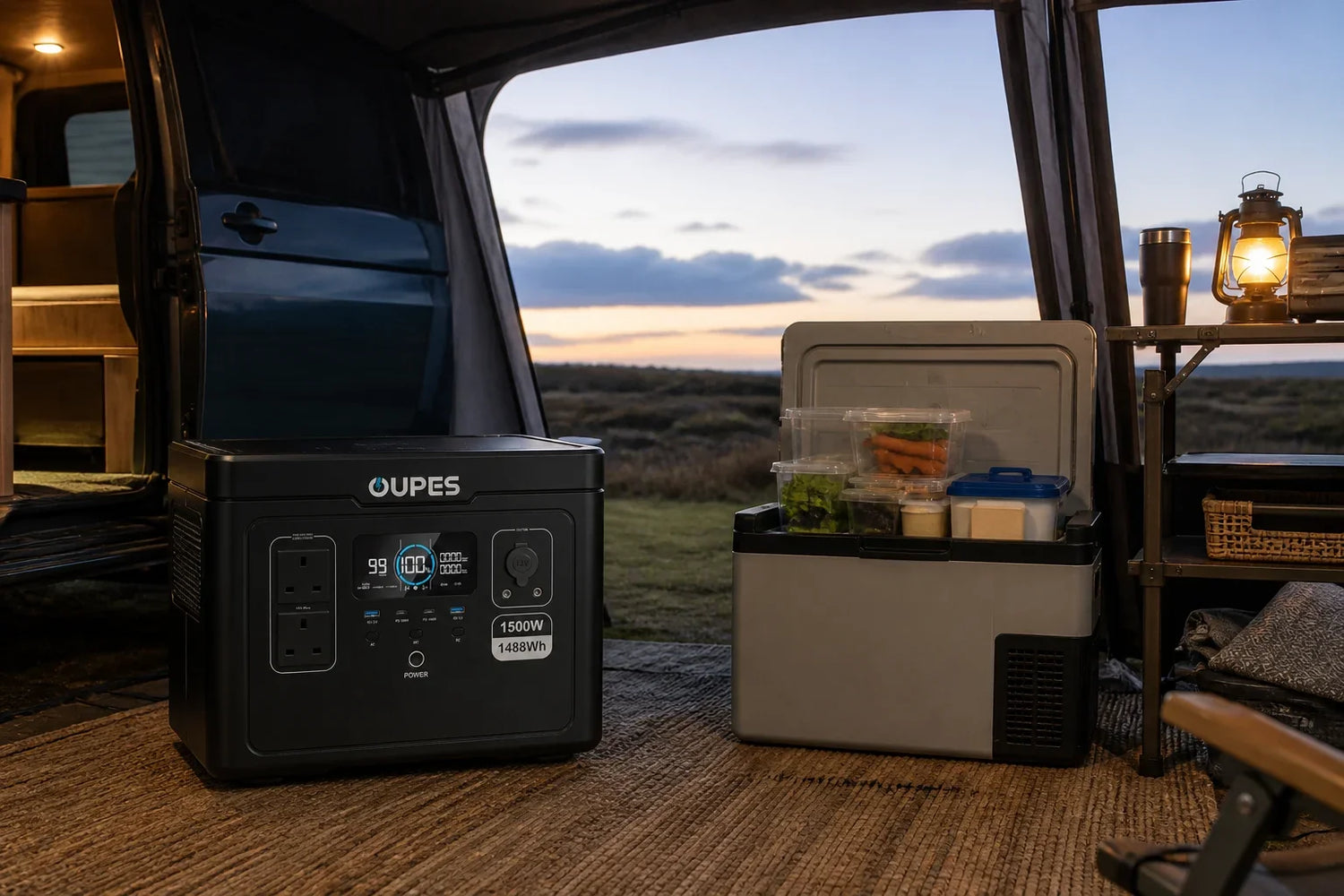
Mains charging is usually the most predictable way to begin with a full battery. Vehicle charging can help while travelling when the vehicle and supplied cable support it. Portable solar adds flexibility, but output varies and the power station’s input limits still control the connection. Plan a fallback when a load is important enough that one cloudy day would be unacceptable.
For broader navigation, OUPES UK shows the regional range. Do not cross-link to products from another OUPES region: plug standards, availability, bundles and specifications can differ even when the brand is shared.
Where OUPES Mega 1 Portable Power Station Fits
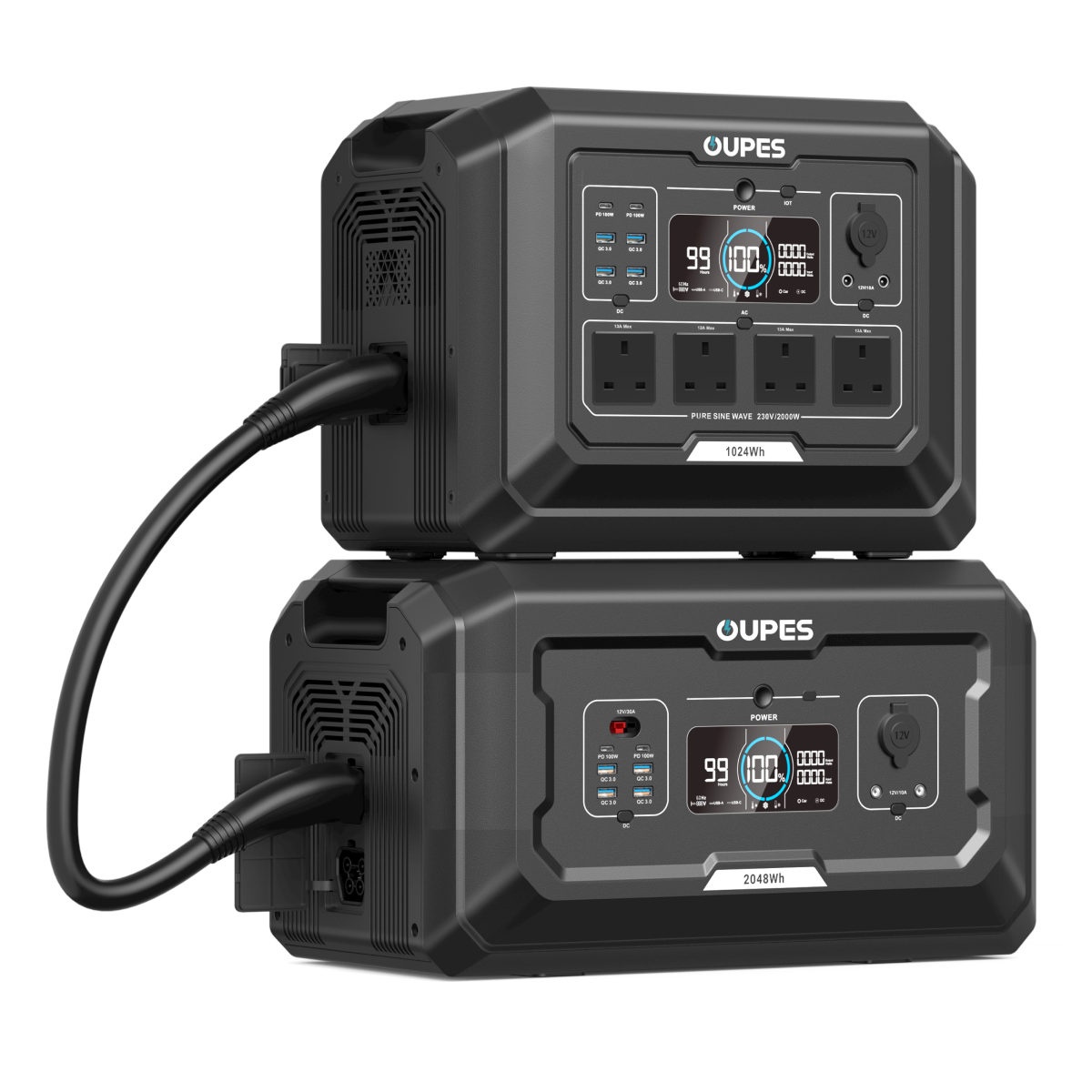
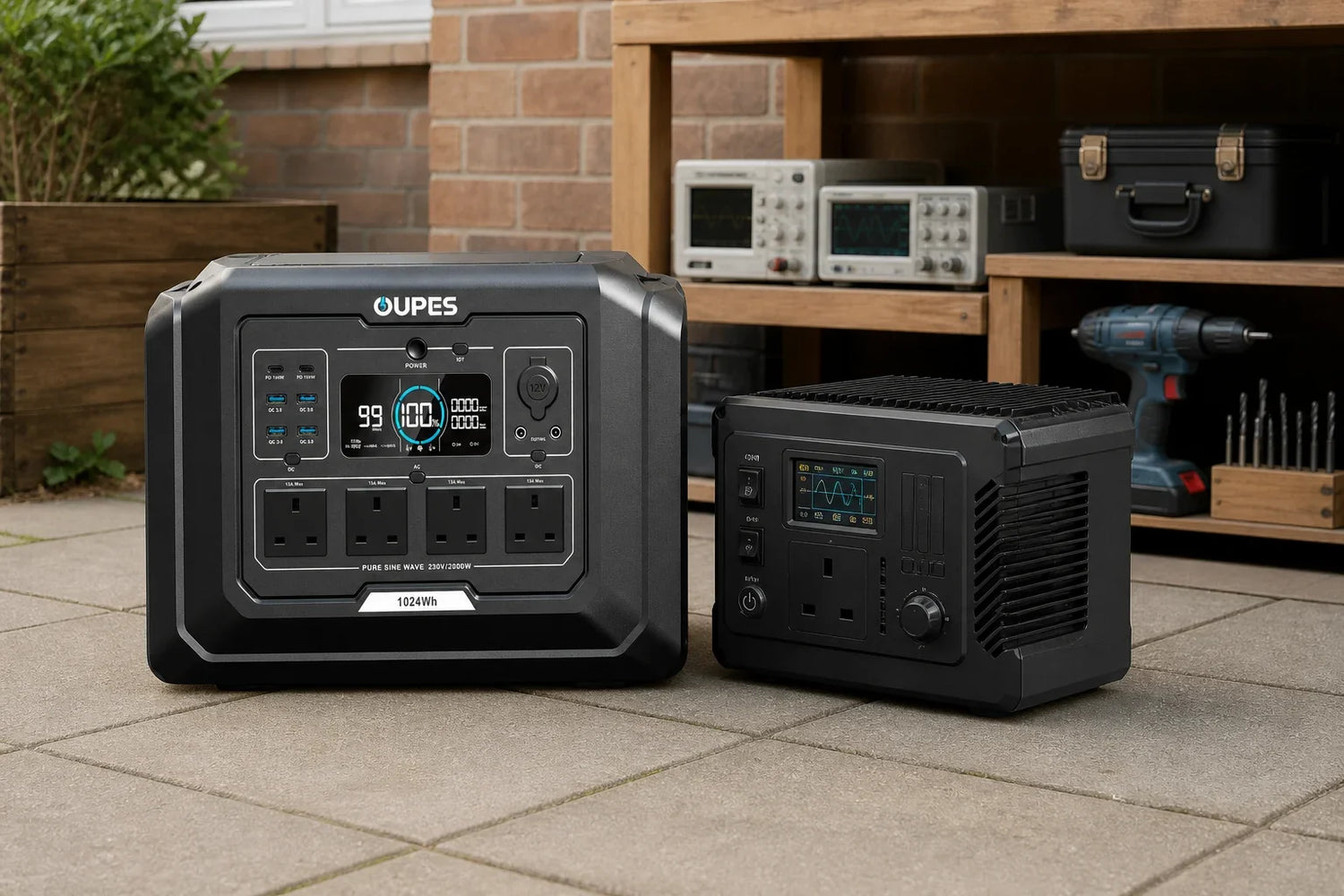
The UK product table lists OUPES Mega 1 Portable Power Station with 1,024Wh capacity, 2,000W rated output and up to 800W solar input for the power station. Its package is recorded as one Mega 1 portable power station; no solar panel or expansion battery included. These numbers support a planning example; they do not guarantee runtime for an appliance that has not been measured.
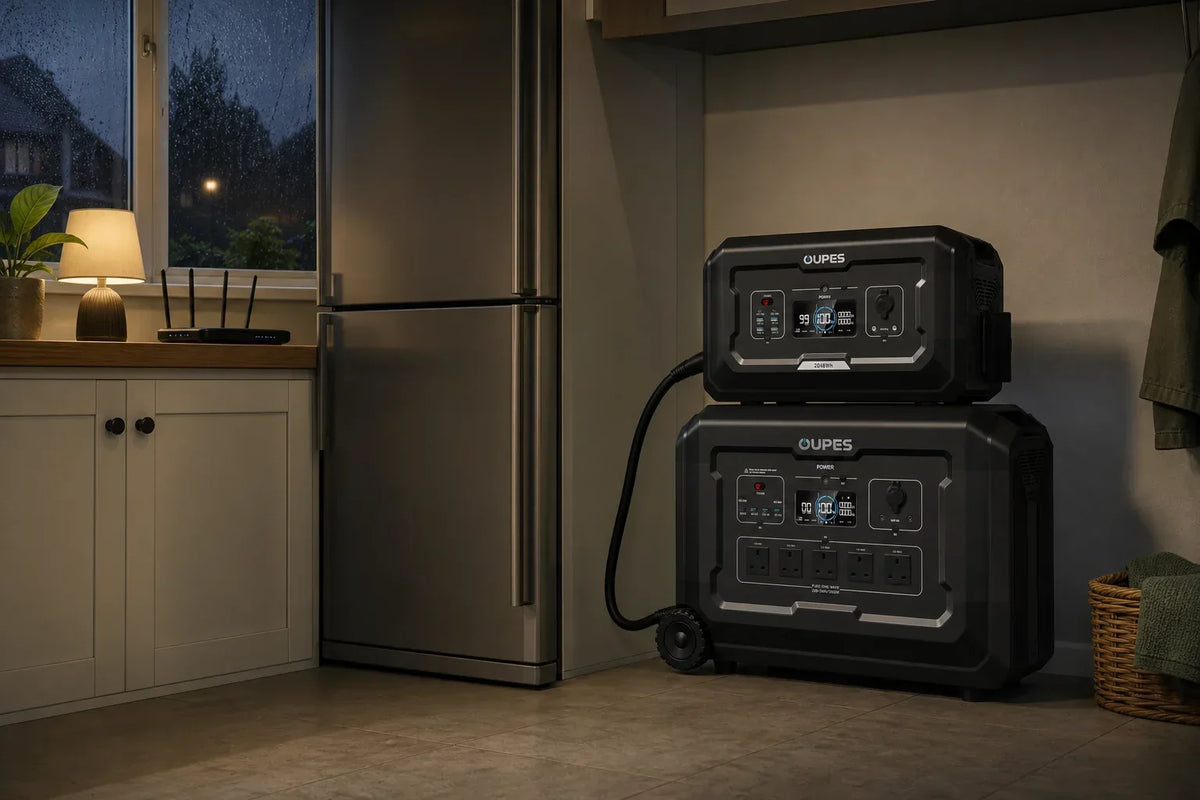
First confirm that normal and startup demand stay within the relevant outlet and overall rating. Then compare the measured daily watt-hours with storage, reserve and recharge opportunity. The model is not suitable for a continuous load above 2,000W, and it should not be described as fixed grid-connected equipment or automatic whole-home backup without an appropriate professionally designed system.
Common Mistakes and Important Boundaries
Common errors include buying from watts alone, confusing Wh with W, ignoring startup demand, assuming perfect solar output, planning to empty the battery every cycle and adding every appliance without considering overlap. Another is treating a bundled kit as identical to the power station alone. Check the package contents, because panels and expansion batteries change both capability and transport.
Do not improvise polarity, adapters, extension leads or building connections. Keep liquids away, inspect cables before use and stop if a connector becomes damaged, discoloured, unusually warm or intermittent. Equipment for medical support, food preservation or safety-critical communication deserves a tested backup method and a larger margin than recreational convenience loads.
Be precise about limits in any buying decision. Portable products support compatible plug-in loads; they do not remove campsite rules, landlord restrictions, electrical regulations or the need for competent design of fixed work. If the intended setup crosses that boundary, pause product selection and obtain the right professional assessment.
A Practical Pre-Purchase Checklist
- List essential, useful and optional loads.
- Record normal watts, startup demand and hours of use.
- Calculate daily Wh and add a tested reserve.
- Check every outlet, cable and simultaneous-output limit.
- Choose a realistic mains, vehicle or solar recharge route.
- Confirm package contents, dimensions, storage and lifting practicality.
- Plan for wet weather, temperature and cable protection.
- Keep fixed wiring and transfer arrangements with competent professionals.
A short written plan makes later operation easier. Label the intended cables, store manuals with the unit, note which appliances may overlap and define a shutdown point that preserves essential reserve. If another family member or travelling companion cannot follow the plan without guessing, simplify it before relying on it.
Frequently Asked Questions
How do I size power for inverter electric generator?
List every device, its normal watts, any startup demand and hours of use. Check simultaneous watts against inverter output, then total watt-hours and add a practical reserve for losses and changing conditions.
Is rated output the same as battery capacity?
No. Watts describe how much power can be delivered at once; watt-hours describe stored energy. A unit can have adequate output for a load yet provide too little duration, or vice versa.
Can solar charging guarantee daily recovery?
No. Panel ratings are measured under test conditions. Shade, season, cloud, orientation, temperature, cables and the power station’s input limit change real charging, so keep a non-solar fallback or energy reserve.
Can a fuel generator run inside a tent, garage or home?
No. Combustion generators produce hazardous exhaust and must remain outdoors in a correctly positioned location. A quieter engine or open door does not make enclosed use safe.
What reserve should I keep?
There is no single percentage for every case. Keep enough margin for conversion loss, colder or hotter conditions, longer runtime, ageing and one charging delay; critical loads justify a larger tested reserve.
Which OUPES product fits this example?
The article uses OUPES Mega 1 Portable Power Station as a UK-available example because its listed output and capacity suit the planning direction. Confirm the current product page and manual against your exact appliances before purchase.
Conclusion
A useful inverter electric generator plan is built from measured appliances, honest hours and realistic charging—not the biggest number on a product page. Separate watts from watt-hours, test the hardest scenario, retain reserve and respect the boundary between portable use and fixed electrical work. OUPES Mega 1 Portable Power Station is a relevant UK example for this topic, provided the current manual confirms compatibility with the exact loads.
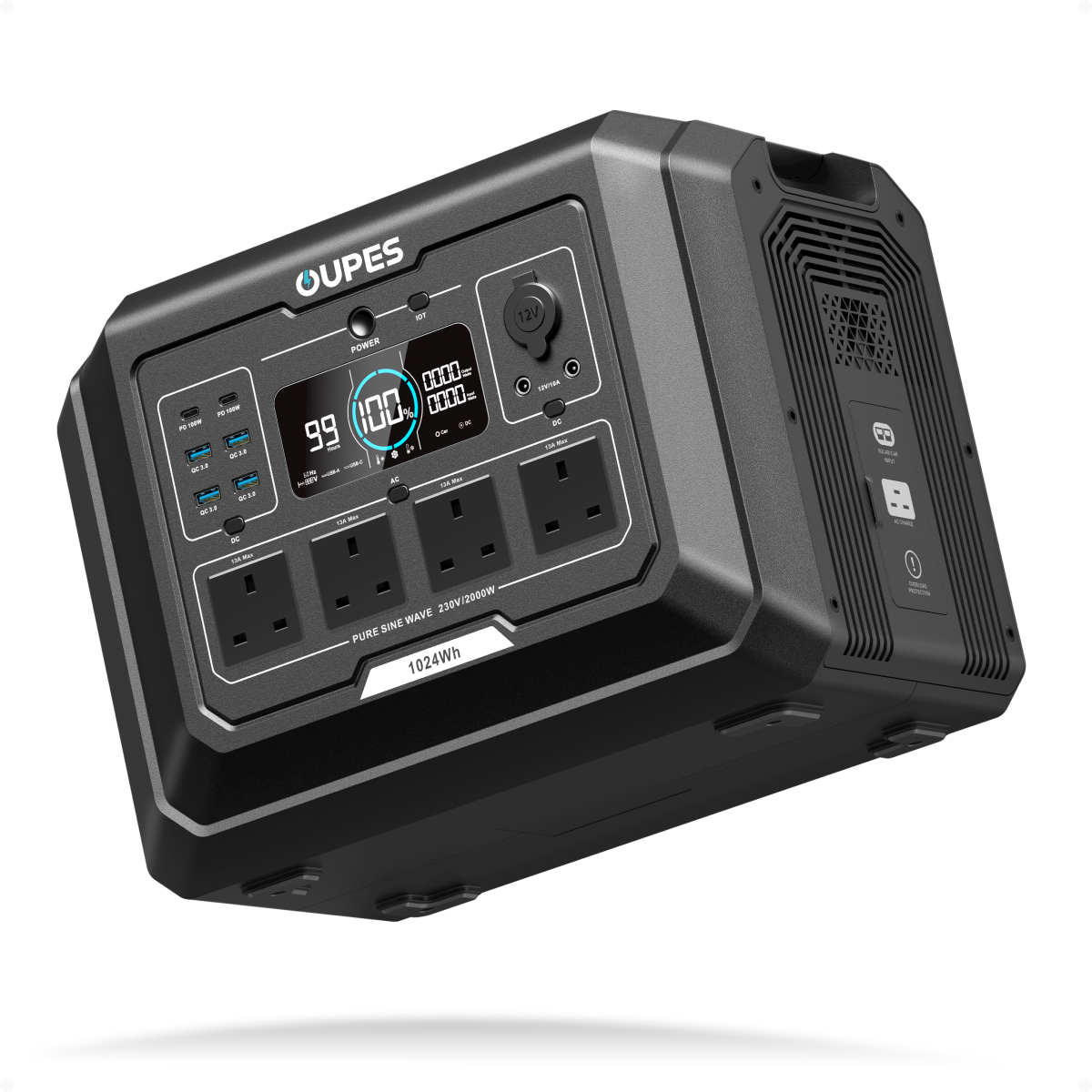
OUPES Mega 1 Portable Power Station
- one Mega 1 portable power station; no solar panel or expansion battery included
- 1,024Wh listed capacity
- 2,000W rated output
- Up to 800W solar input for the power station

Leave a comment
This site is protected by hCaptcha and the hCaptcha Privacy Policy and Terms of Service apply.