




Quick Answer
A hurricane is a regional name for a mature tropical cyclone over the Atlantic or north-east Pacific. It is a vast rotating storm system fuelled by warm ocean water. A tornado is a much smaller, violently rotating column of air extending from a thunderstorm to the ground.
Hurricanes can last days and affect huge areas through wind, rain, storm surge and flooding. Tornadoes usually have a narrow damage path and shorter life, but their local winds can be extreme. Preparedness must follow official local warnings.
Key Facts
The two hazards rotate, but their scale, formation and impacts are fundamentally different.
| Feature | Hurricane / Tropical Cyclone | Tornado | Planning Meaning |
|---|---|---|---|
| Formation | Warm tropical ocean and organised circulation | Severe thunderstorm rotation | Different forecast methods |
| Scale | Hundreds of kilometres | Often tens to hundreds of metres wide | Regional versus local footprint |
| Duration | Days to weeks | Often minutes | Different warning and recovery windows |
| Main hazards | Wind, rain, surge and flooding | Extreme local wind and debris | Shelter advice differs |
How It Works
Tropical cyclones draw heat and moisture from warm seas and weaken over colder water or land. The same phenomenon is called a hurricane, typhoon or cyclone in different ocean basins.
Tornado development involves rotating thunderstorms and strong wind shear. Not every severe thunderstorm produces a tornado, and tornado intensity cannot be inferred simply from its visible width.
A tropical cyclone can also generate tornadoes within its rain bands. This overlap does not make the hazards equivalent; it means one weather system can create several risks.
How the Hazards Are Classified
Meteorological agencies classify tropical cyclones by sustained wind and regional conventions. Tornado ratings are generally damage-based after the event, so the numerical scales are not directly comparable.
For safety decisions, use the active warning, expected local impacts and official instructions rather than comparing headline wind figures from different measurement methods.
| Question | Hurricane | Tornado | Correct Interpretation |
|---|---|---|---|
| What is measured? | Sustained wind and pressure | Damage indicators and estimated wind | Methods differ |
| When classified? | During monitoring | Often after survey | Do not compare numbers directly |
| Lead time | Potentially days | Often much shorter | Act promptly on local alerts |
| Flood risk | Major coastal and inland threat | Possible from parent storm | Never drive through flood water |
Compare the Main Options
Preparedness is about the impacts expected at your location, not which label sounds more severe.
| Action | Long-Lead Storm | Immediate Wind Warning | Always |
|---|---|---|---|
| Information | Track official forecasts | Act on the warning now | Avoid rumours |
| Shelter | Prepare safe location and evacuation route | Move to advised robust shelter | Stay away from windows |
| Power | Charge devices and plan essentials | Do not delay sheltering | Keep combustion generators outdoors |
| Afterwards | Watch flood and access risks | Beware debris and damaged lines | Follow emergency services |
UK Planning Considerations
The UK does not use “hurricane” as a routine classification for its own windstorms, although ex-tropical systems can influence UK weather. Follow the Met Office naming, warnings and impact advice.
The Met Office explanation of tropical cyclones describes their formation and regional names. For an active event, use the current Met Office warning page and local authority instructions.For the underlying UK guidance or current figures, check Met Office tropical cyclone guidance. Published tariffs, standards and safety advice can change, so verify the source again before acting.
Relevant OUPES UK Options
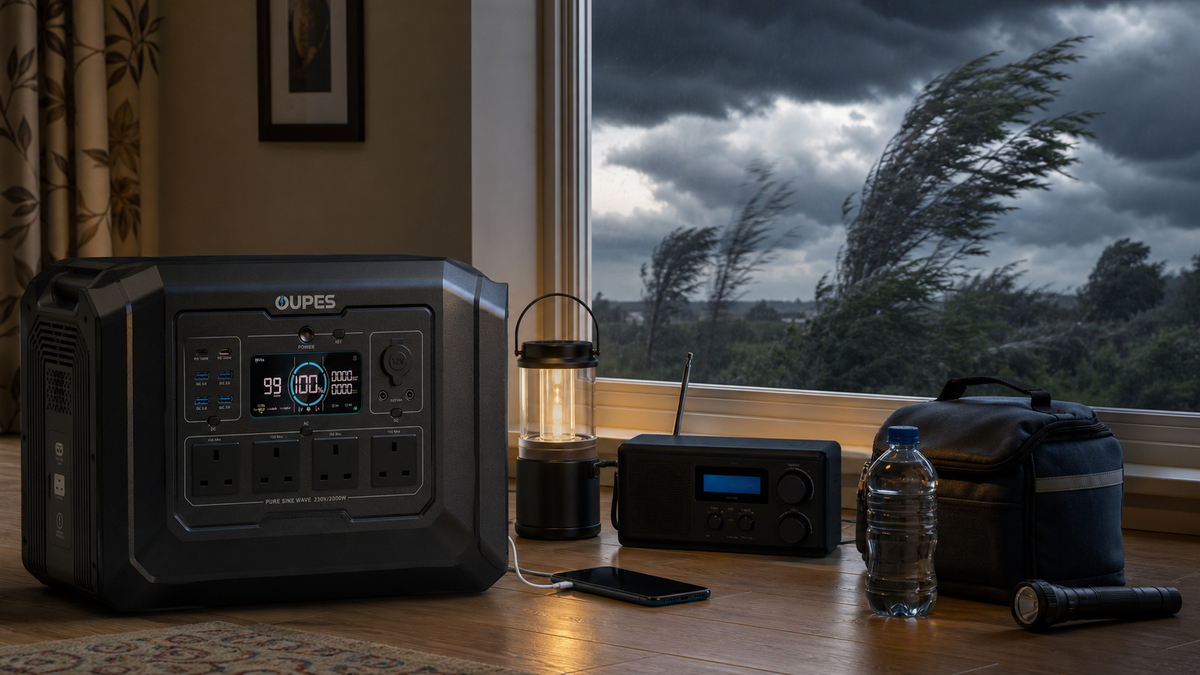
Portable stored power can support communications and compatible essentials during an outage, but it is secondary to shelter, evacuation and official warnings.
| UK-Site Product | Capacity | Rated Output | Solar | Planning Role |
|---|---|---|---|---|
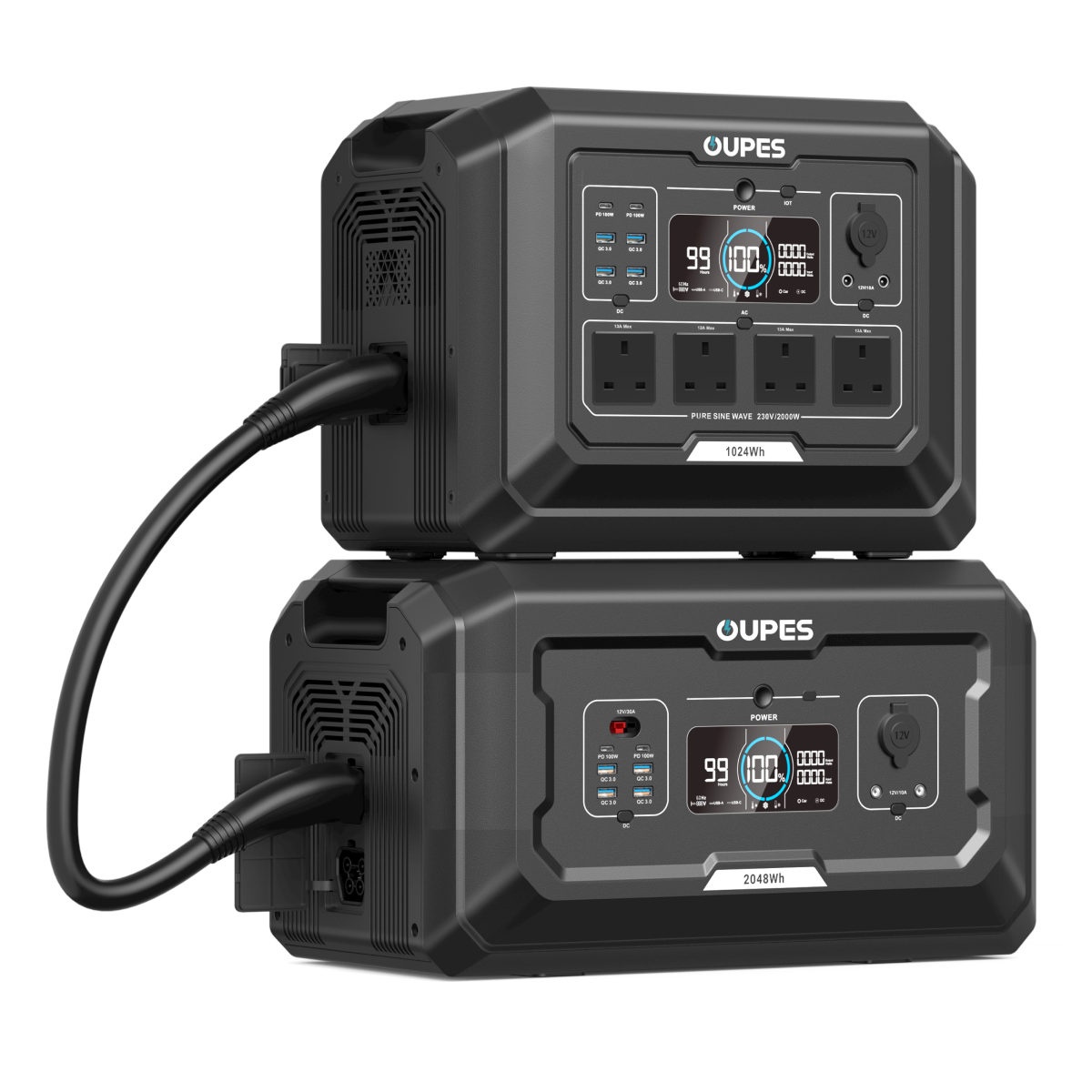
| OUPES Mega 1 | 1,024Wh | 2,000W | Up to 800W | Portable everyday loads and shorter backup sessions |
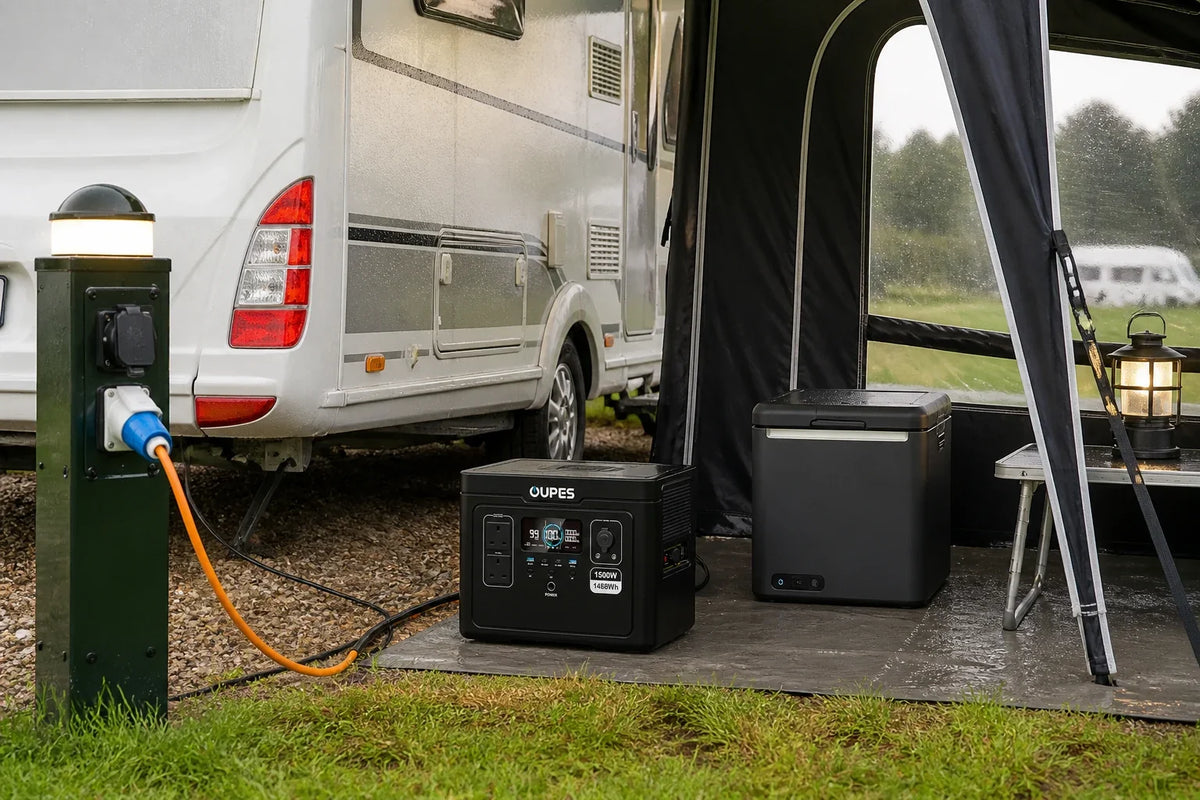
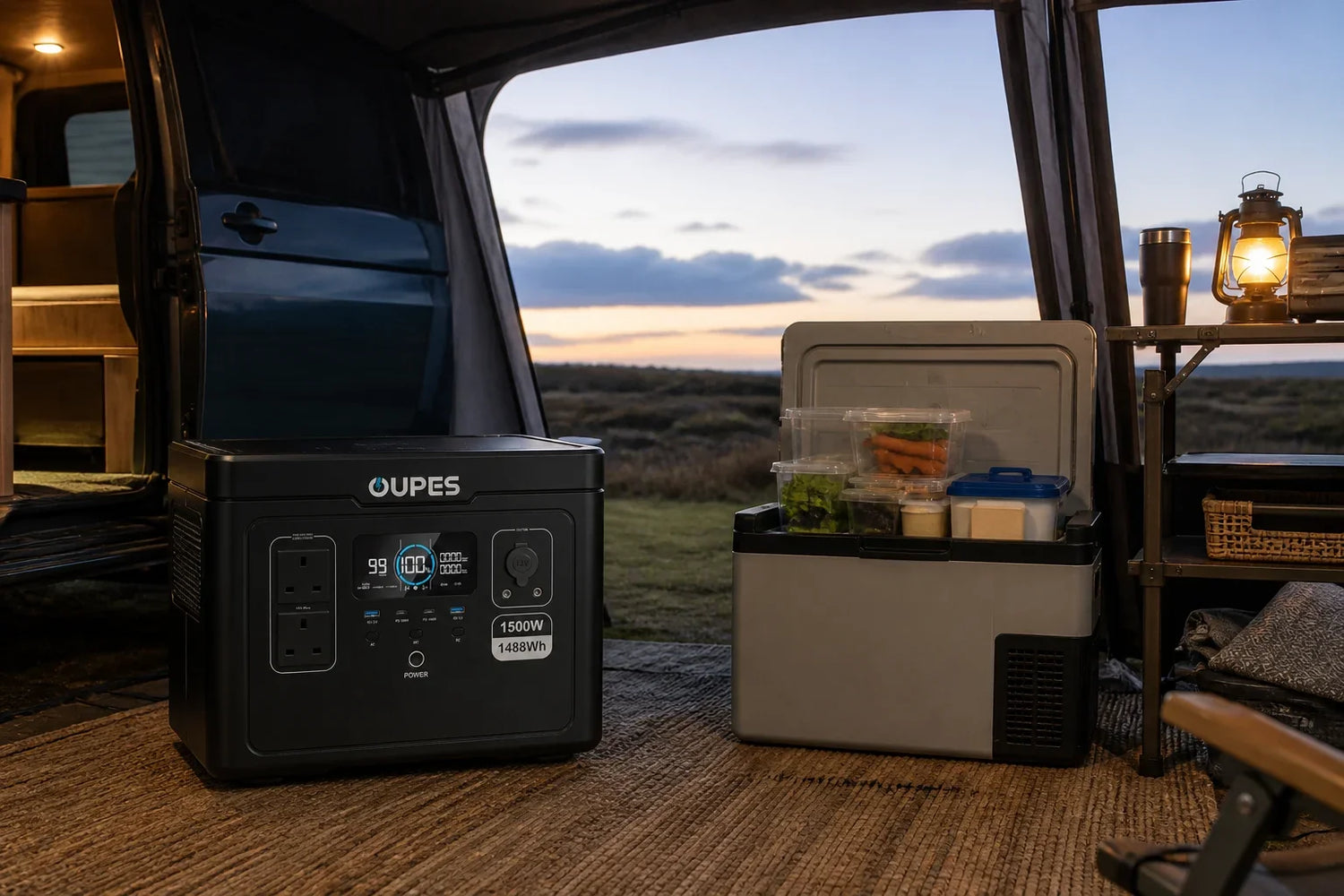
| OUPES Exodus 1500 | 1,488Wh | 1,500W | Up to 480W | Longer low-to-medium-load use where portability matters |
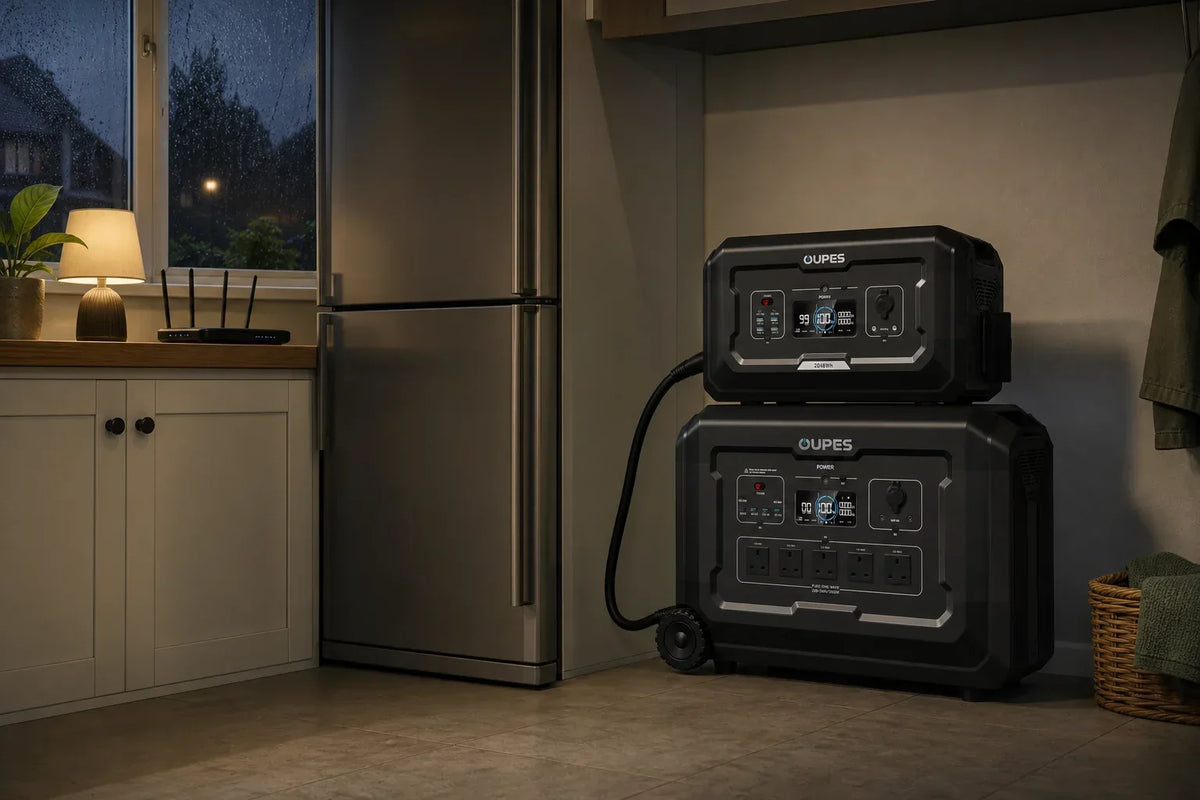
| OUPES Mega 3 | 3,072Wh | 3,600W | Up to 2,100W | Large loads, longer backup plans and expandable storage |
Before ordering from the UK store, confirm the current supplied model’s AC voltage, socket format, cables and appliance compatibility on the product page. Do not infer compatibility from wattage alone.
Practical Checklist
Build a weather-readiness kit around:
- Official alerts and a battery radio.
- Charged phones and power banks.
- Medicines, water and lighting.
- A household contact plan.
- Knowledge of utility isolation points.
- Safe use instructions for every backup power source.
Safety and Limitations
Never operate a fuel-burning generator indoors, in a garage or near openings. Carbon monoxide can kill without warning.
Do not touch fallen cables, enter flood water or use wet electrical equipment. Call the relevant emergency or network service.
Final Verdict
Hurricanes are enormous, long-lived tropical cyclone systems; tornadoes are compact rotating columns associated with thunderstorms. Treat both through impact-based official warnings, with shelter and life safety ahead of backup power.
Frequently Asked Questions
1. Is a hurricane bigger than a tornado?
Yes in geographic scale, although a tornado can produce more extreme winds in a narrow local path.
2. Can a hurricane cause tornadoes?
Yes. Rain bands within a tropical cyclone can sometimes produce tornadoes.
3. Which lasts longer?
Hurricanes generally last days; tornadoes commonly last minutes, though both vary.
4. Does the UK get hurricanes?
The UK can be affected by remnants of tropical cyclones, but its storms are classified and warned by the Met Office.
5. Are hurricane and typhoon different storms?
They are regional names for the same broad tropical cyclone phenomenon.
6. What should I do first in severe weather?
Follow current official warnings and move to the advised safe location without delaying for equipment.

Leave a comment
This site is protected by hCaptcha and the hCaptcha Privacy Policy and Terms of Service apply.