




Quick Answer
Electricity use equals heater kilowatts multiplied by operating hours. A 2kW heater running continuously for one hour uses 2kWh; at 26.11p/kWh that costs about 52.22p.
Most plug-in resistance heaters turn electricity into room heat with similar point-of-use efficiency. Thermostats, controls and how effectively heat reaches the occupied space usually matter more than marketing claims about the heating element.
Key Facts
Read the rated input in watts and separate maximum demand from average consumption under thermostat control.
| Heater Setting | Energy in 1 Hour | Cost at 26.11p/kWh | Typical Planning Note |
|---|---|---|---|
| 500W | 0.5kWh | 13.06p | Personal or small-zone heat |
| 1kW | 1kWh | 26.11p | Moderate plug load |
| 2kW | 2kWh | 52.22p | Common high setting |
| 3kW | 3kWh | 78.33p | Near a UK socket’s practical high load |
How It Works
A thermostat reduces average consumption only when the heater reaches its set point and switches off. In a cold, draughty room it may remain on for most of the hour.
Fan, convector, oil-filled and radiant resistance heaters differ in how quickly and where they deliver heat, but one consumed kWh becomes approximately one kWh of heat in the room at point of use.
A heat pump can deliver more room heat per unit of electricity by moving heat rather than creating all of it resistively. It is a different system and should not be compared using plug-in heater wattage alone.
Electric Heater Cost Formula
Energy in kWh = watts ÷ 1,000 × hours. Cost = kWh × tariff in pounds. When estimating thermostat-controlled use, measure kWh over representative days rather than guessing a duty cycle.
For worked examples, this guide uses 26.11p/kWh, the Great Britain average Direct Debit electricity unit rate published by Ofgem for 1 July to 30 September 2026. Your tariff may differ, so replace it with the unit rate on your bill.
| Use Pattern | Energy | Daily Cost | 30-Day Cost |
|---|---|---|---|
| 500W for 4h | 2kWh | £0.52 | £15.67 |
| 1kW for 4h | 4kWh | £1.04 | £31.33 |
| 2kW for 4h | 8kWh | £2.09 | £62.66 |
| 2kW at 50% duty for 4h | 4kWh | £1.04 | £31.33 |
Compare the Main Options
Select heating by the room, occupancy pattern, insulation and safety constraints.
| Type | Useful Characteristic | Limitation | Best Fit |
|---|---|---|---|
| Fan heater | Fast air heating | Noise and dust movement | Short bursts |
| Oil-filled radiator | Steady heat after warm-up | Slow response and heavy | Longer occupied periods |
| Radiant heater | Directly warms people and surfaces | Directional | Local zone heating |
| Heat pump | High seasonal efficiency | Installed system and conditions matter | Whole-room or home strategy |
UK Planning Considerations
For worked examples, this guide uses 26.11p/kWh, the Great Britain average Direct Debit electricity unit rate published by Ofgem for 1 July to 30 September 2026. Your tariff may differ, so replace it with the unit rate on your bill.
Check the unit price on your own bill and current information from Ofgem’s energy price cap unit-rate page. The cap is not a cap on the total bill; greater kWh use still increases cost.
For the underlying UK guidance or current figures, check Ofgem energy unit-rate information. Published tariffs, standards and safety advice can change, so verify the source again before acting.
Relevant OUPES UK Options
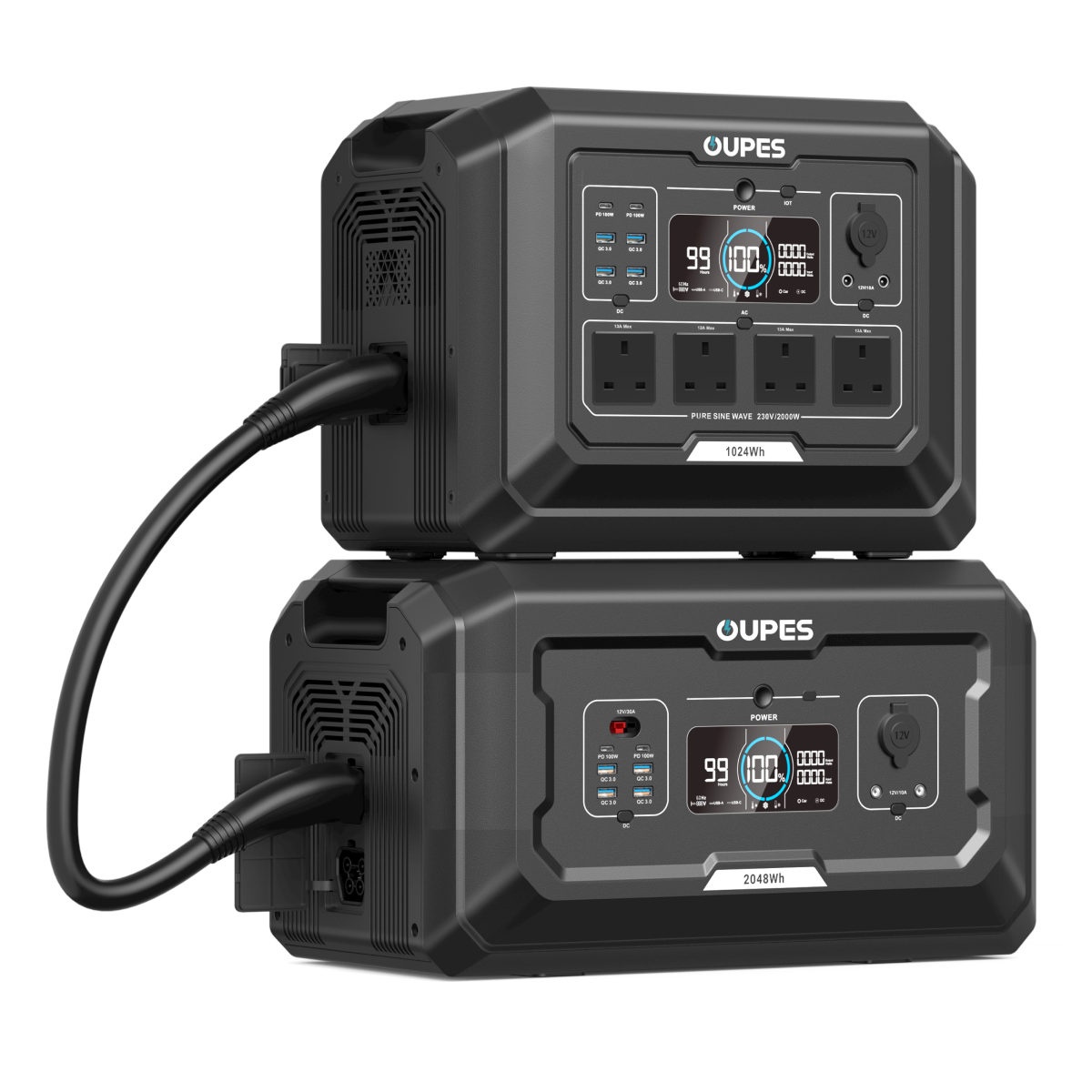
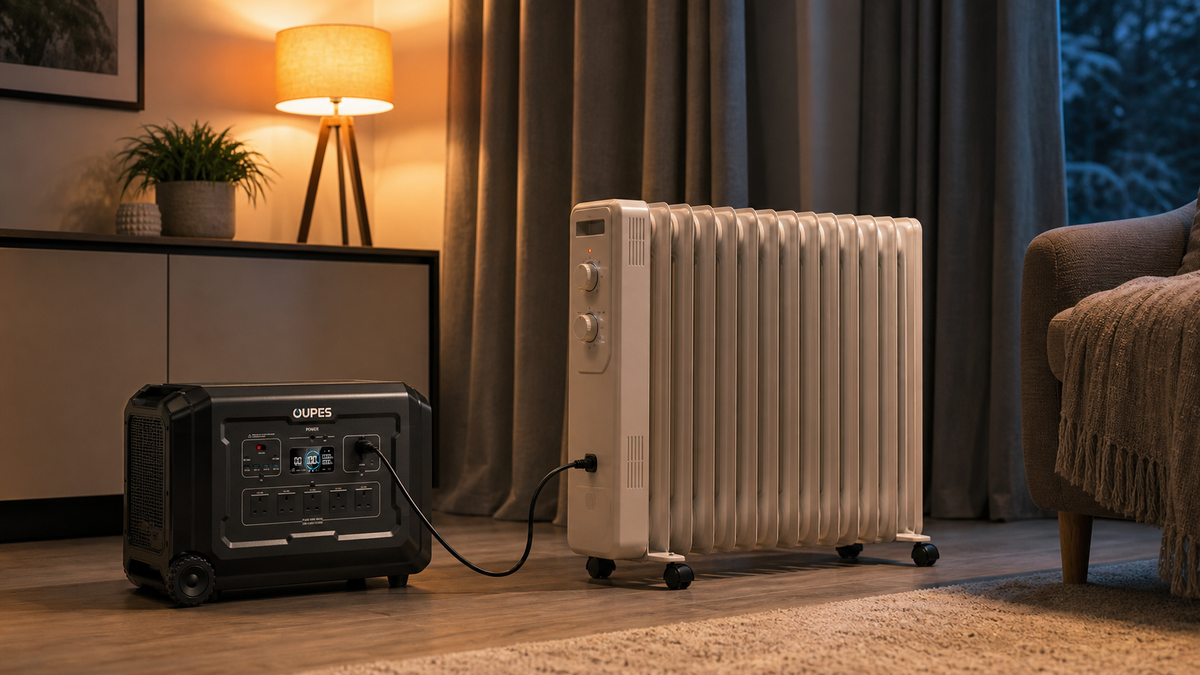
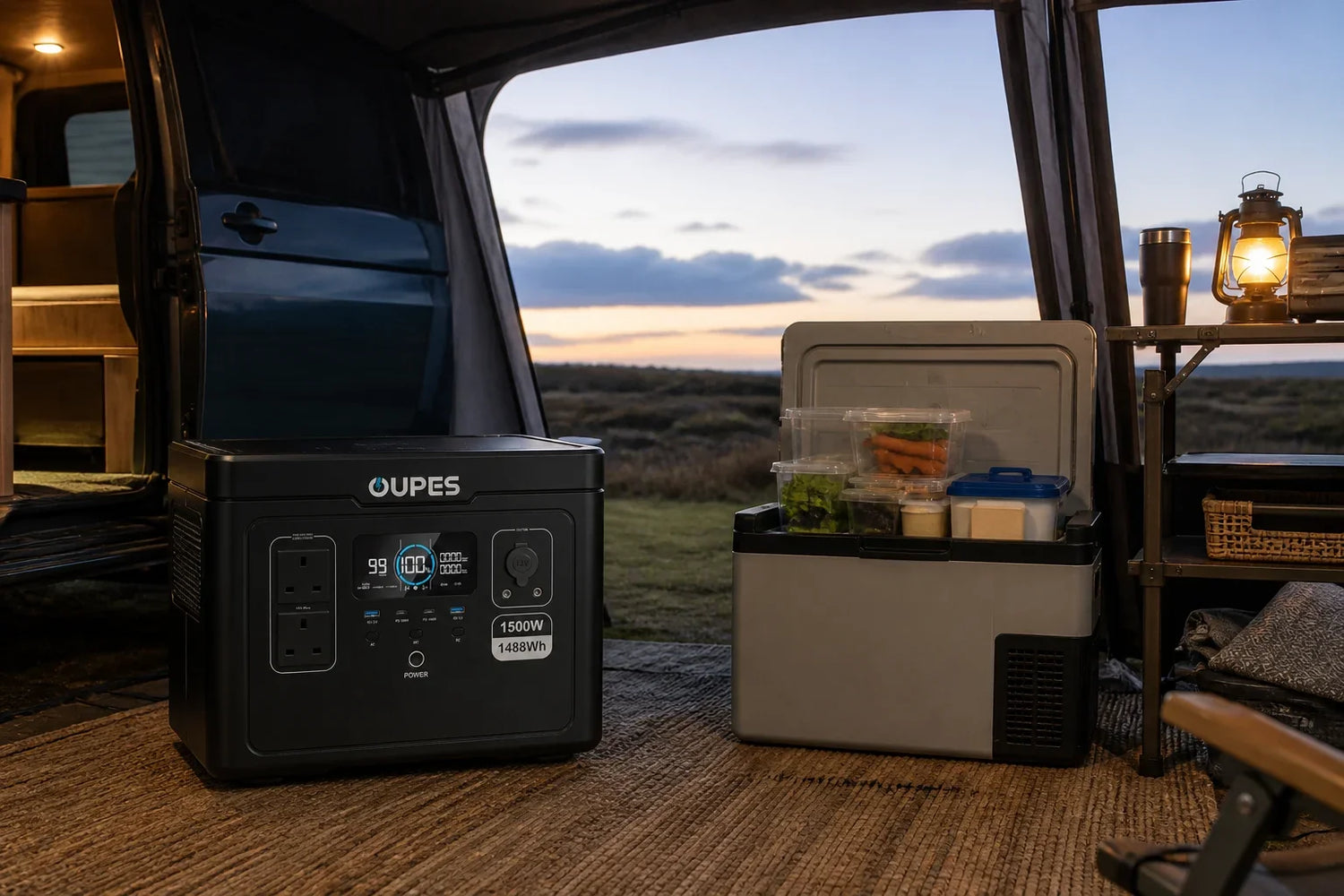
Resistance heating drains batteries quickly. Verify the heater’s continuous wattage, the UK model’s socket and voltage compatibility, and realistic usable Wh before considering OUPES backup.
| UK-Site Product | Capacity | Rated Output | Solar | Planning Role |
|---|---|---|---|---|
| OUPES Mega 1 | 1,024Wh | 2,000W | Up to 800W | Portable everyday loads and shorter backup sessions |
| OUPES Exodus 2400 | 2,232Wh | 2,400W | Up to 800W | Higher energy budgets and compatible higher-power appliances |
| OUPES Mega 3 | 3,072Wh | 3,600W | Up to 2,100W | Large loads, longer backup plans and expandable storage |
Before ordering from the UK store, confirm the current supplied model’s AC voltage, socket format, cables and appliance compatibility on the product page. Do not infer compatibility from wattage alone.
Practical Checklist
To reduce electric heating demand:
- Heat the occupied zone, not empty rooms.
- Close curtains and address safe draughts.
- Use the thermostat and timer.
- Keep vents and clearances unobstructed.
- Measure kWh at the socket where appropriate.
- Never exceed extension-lead ratings.
Safety and Limitations
Plug high-power heaters directly into a suitable wall outlet where the manufacturer instructs. Do not use damaged adaptors or run cables under rugs.
Keep heaters away from bedding, curtains, furniture, children and pets. Never cover a heater and follow its clearance instructions.
Final Verdict
A heater’s maximum hourly use is simple: kW multiplied by hours. Actual use depends on thermostat cycling and heat loss. At today’s example rate, sustained 2kW heating is energy-intensive and requires substantial battery capacity.
Frequently Asked Questions
1. How much does a 2kW heater cost per hour?
About 52.22p at 26.11p/kWh when drawing 2kW continuously.
2. Does a thermostat reduce heater cost?
Yes when it cycles the heater off, but savings depend on room heat loss and the set temperature.
3. Are oil-filled radiators cheaper than fan heaters?
At the same electrical input and runtime, their energy cost is similar; heat delivery and control change comfort.
4. Can a portable power station run a heater?
Only if output, surge, voltage and socket are compatible, and runtime may be short because heaters draw high power.
5. How many kWh does a 1kW heater use in four hours?
4kWh if it runs continuously.
6. Is the Ofgem price cap a maximum bill?
No. It limits specified unit rates and standing charges for covered tariffs, not total consumption.

Leave a comment
This site is protected by hCaptcha and the hCaptcha Privacy Policy and Terms of Service apply.