




Quick Answer
A DIY solar kit normally includes panels, mounting or stands, charge control, battery storage where needed, an inverter for AC loads, cables and protection. Compatibility must be designed across voltage, current, connectors and environmental ratings.
Portable panel-and-power-station kits reduce component matching for temporary use. They do not make permanent rooftop, building or grid-connected work a casual DIY task.
Key Facts
Separate three decisions: energy generation, storage and safe delivery to the load.
| Component | Purpose | Key Specification | Common Error |
|---|---|---|---|
| Solar panel | Generates DC | Voc, Vmp, Isc, Imp and watts | Choosing by watts alone |
| Charge controller | Regulates battery charge | Voltage and current window | Exceeding input limits |
| Battery | Stores energy | Chemistry, Wh and discharge current | Mixing incompatible batteries |
| Inverter | Supplies AC | Voltage, continuous and surge watts | Using surge as continuous output |
How It Works
Panels connected in series raise voltage; parallel connections raise current. The controller or power station must remain within limits under all expected conditions, including higher cold-weather open-circuit voltage.
Battery capacity must be sized in Wh for the daily energy budget. Inverter output is sized from simultaneous and startup watts. Oversizing one does not compensate for undersizing the other.
Protection and isolation are part of the system, not optional extras. Fixed cable routes, fusing, earthing, fire separation and weatherproofing require competent design.
DIY Solar Sizing Sequence
Begin with loads, not a kit name. Calculate Wh/day, continuous watts and surge. Decide autonomy and conservative solar yield, then match every panel string to the controller input.
For a portable kit, confirm panel open-circuit voltage, operating current, connector and the station’s accepted solar input. Nameplate panel watts may exceed what the station can accept or may be too low to recover daily use.
| Step | Calculation or Check | Output |
|---|---|---|
| 1. Load audit | Watts × hours | Wh/day |
| 2. Output sizing | Simultaneous watts plus startup | Inverter rating |
| 3. Storage | Daily Wh × autonomy ÷ usable factor | Battery Wh |
| 4. Solar | Daily Wh ÷ conservative daily yield | Panel array |
| 5. Compatibility | Voltage, current and connectors | Safe component match |
Compare the Main Options
The right DIY level depends on whether the system is portable, standalone fixed or grid-connected.
| System Type | DIY Suitability | Main Advantage | Main Boundary |
|---|---|---|---|
| Portable solar generator kit | High for normal product setup | Integrated controls | Follow product limits |
| Small standalone DC system | Moderate for competent users | Efficient DC loads | Protection still required |
| Fixed off-grid AC system | Specialist | Permanent supply | Electrical design |
| Grid-connected rooftop PV | Professional installation | Export and household generation | Grid, roof and regulatory requirements |
UK Planning Considerations
UK rooftop and grid-connected systems have structural, electrical, metering and certification implications. Use competent installers and confirm planning requirements.
Do not copy a kit list without checking the actual property, roof, array voltage and cable route. Product compatibility is specific, and a connector adaptor does not change an unsafe voltage.
For the underlying UK guidance or current figures, check Energy Saving Trust solar installation guidance. Published tariffs, standards and safety advice can change, so verify the source again before acting.
Relevant OUPES UK Options
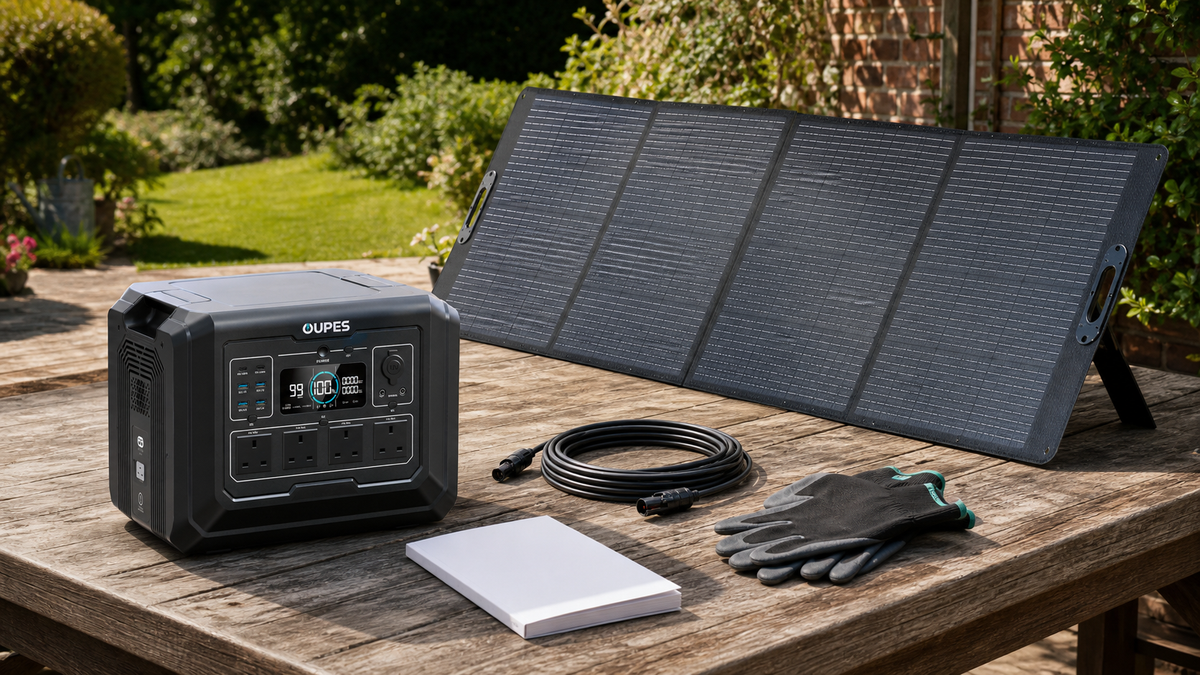
OUPES UK offers integrated station-and-panel combinations for portable use. Select the station from loads and runtime, then keep the 240W panel configuration within its accepted solar input range.
| UK-Site Product | Capacity | Rated Output | Solar | Planning Role |
|---|---|---|---|---|
| OUPES 240W Portable Solar Panel | 240W panel | MC4 connector | ≥23% stated cell efficiency | Portable solar charging within the station’s input limits |
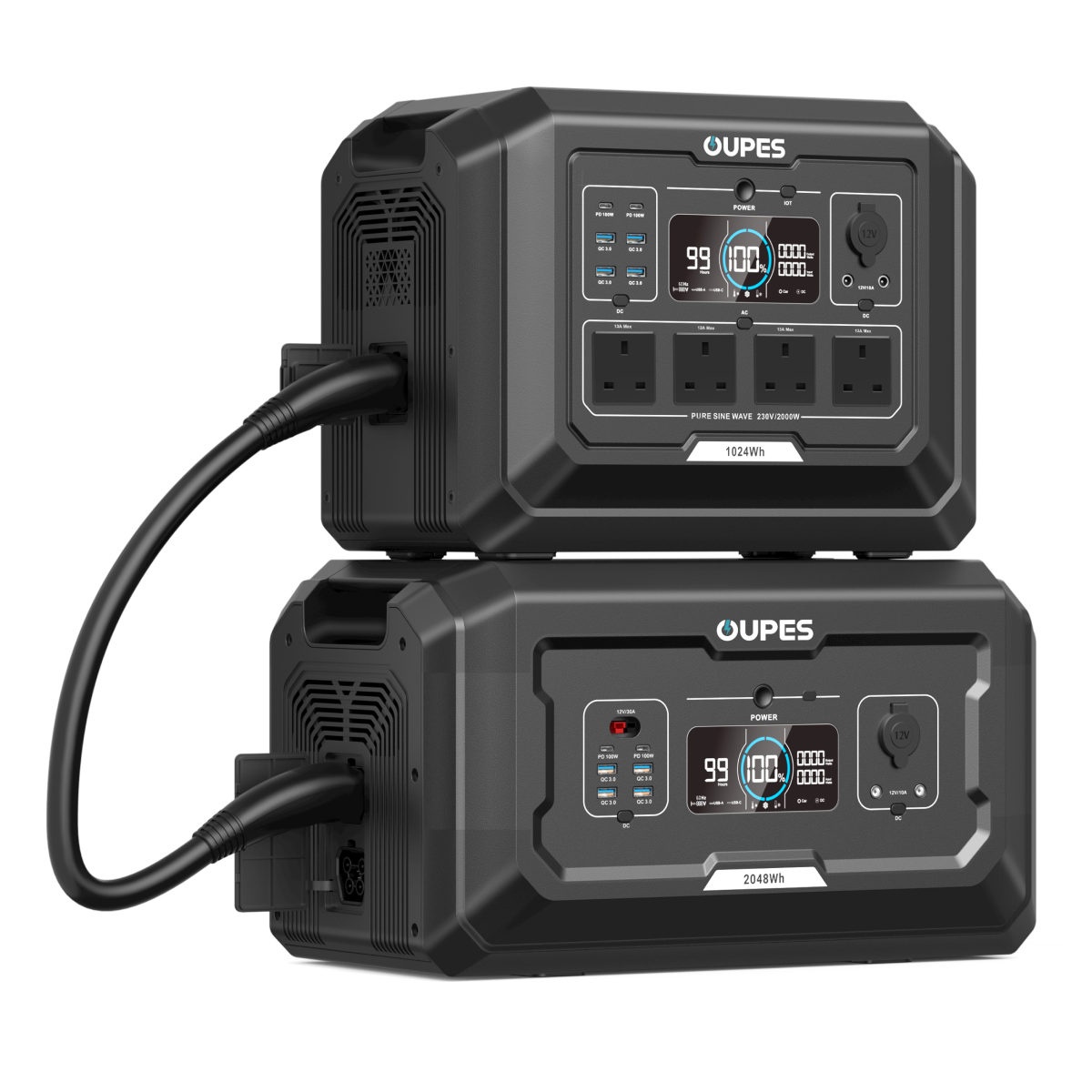
| OUPES Mega 1 | 1,024Wh | 2,000W | Up to 800W | Portable everyday loads and shorter backup sessions |
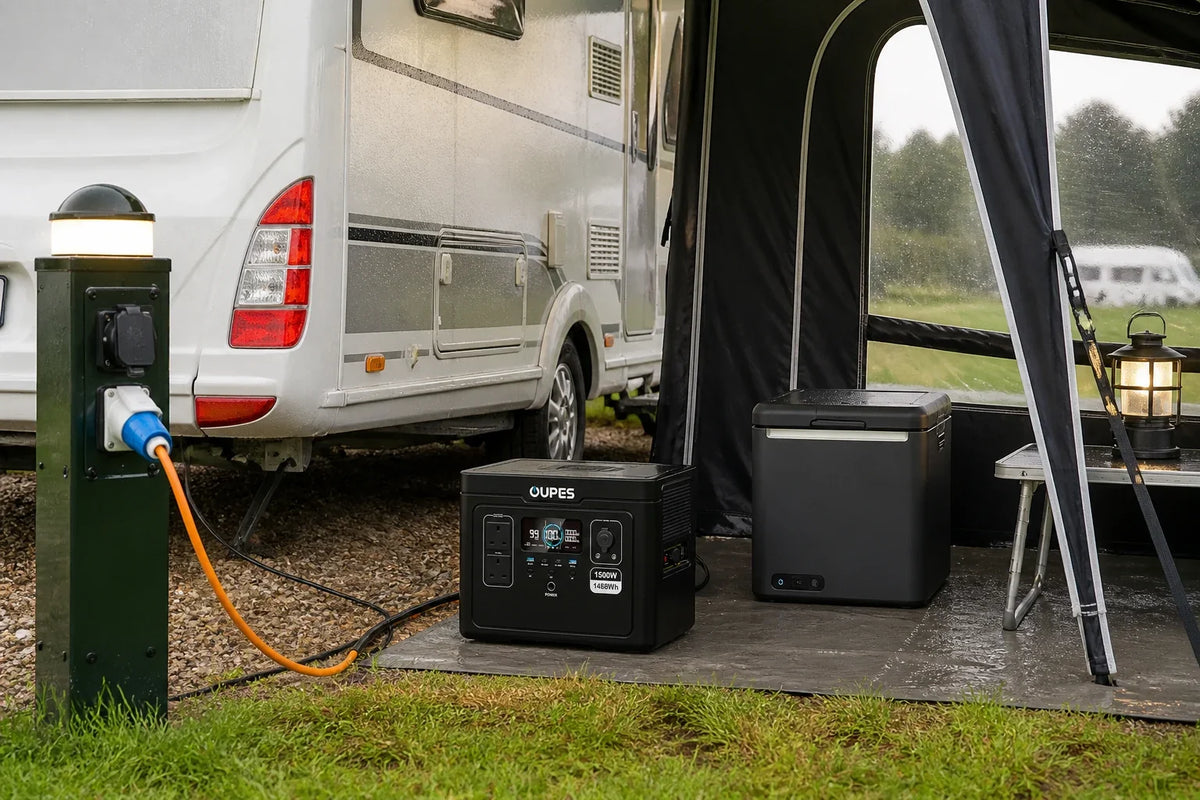
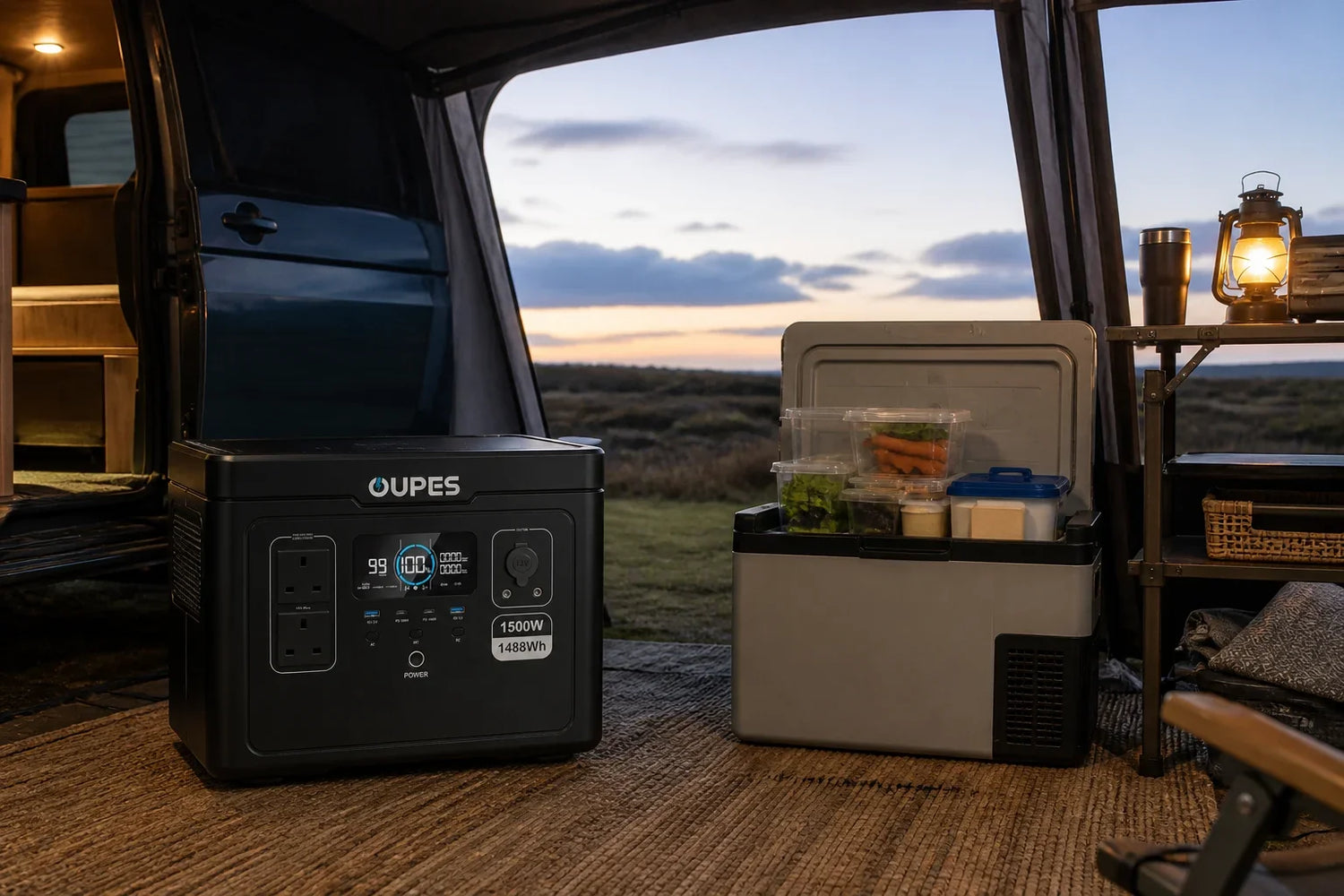
| OUPES Exodus 1500 | 1,488Wh | 1,500W | Up to 480W | Longer low-to-medium-load use where portability matters |
| OUPES Exodus 2400 | 2,232Wh | 2,400W | Up to 800W | Higher energy budgets and compatible higher-power appliances |
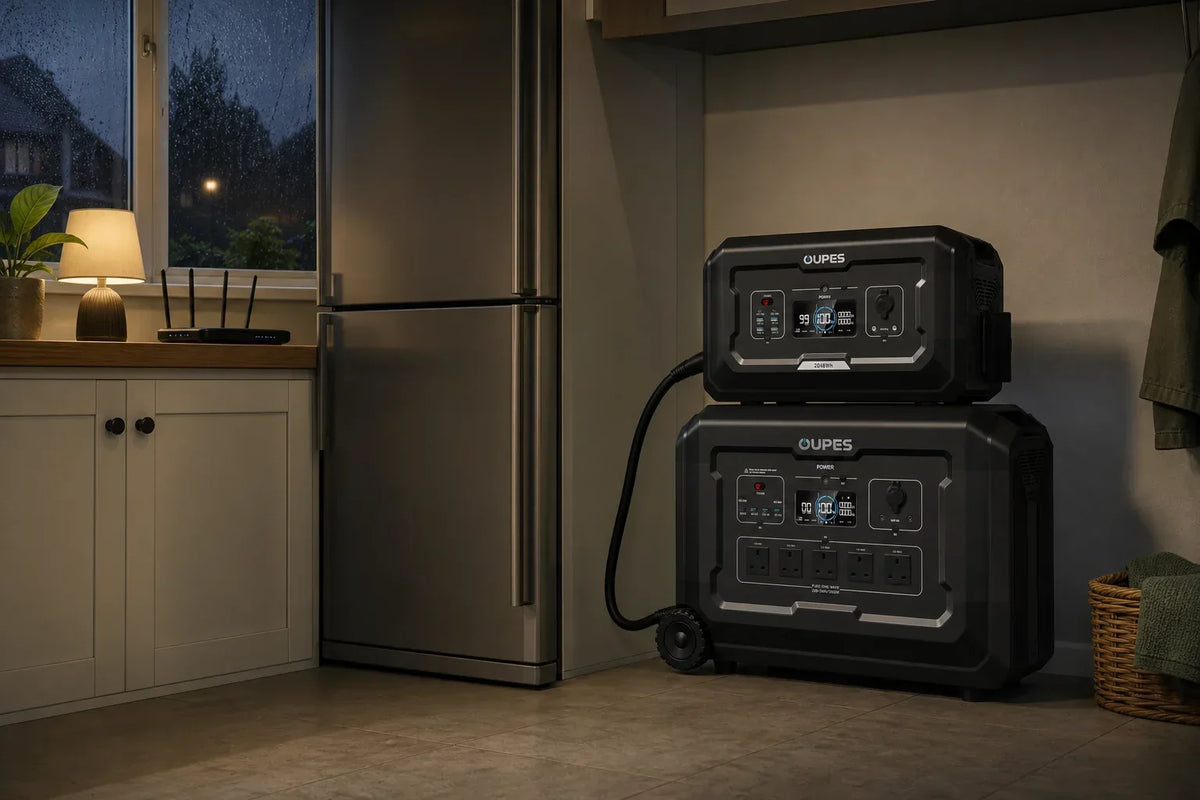
| OUPES Mega 3 | 3,072Wh | 3,600W | Up to 2,100W | Large loads, longer backup plans and expandable storage |
Before ordering from the UK store, confirm the current supplied model’s AC voltage, socket format, cables and appliance compatibility on the product page. Do not infer compatibility from wattage alone.
Practical Checklist
Before assembling a DIY kit:
- Create a 24-hour load table.
- Record every panel electrical value.
- Confirm series and parallel string limits.
- Specify fuses, isolation and cable size.
- Plan weather and mechanical protection.
- Use professional help for fixed or grid-connected work.
Safety and Limitations
Solar arrays can remain energised whenever illuminated. DC arcs are hazardous and may not self-extinguish like AC zero crossings.
Do not work at height or on fixed mains circuits without competence and suitable equipment. Disconnect and isolate only according to the system design.
Final Verdict
DIY portable solar is practical when using matched products within their manuals. Fixed and grid-connected systems require far more than panels and a battery; design protection, structure and electrical compliance before purchasing hardware.
Frequently Asked Questions
1. What is included in a DIY solar kit?
Usually panels, charge control, cables and connectors, with battery and inverter depending on the kit.
2. Can I install rooftop solar myself?
Permanent rooftop and grid work should use competent professionals and meet applicable requirements.
3. How do I size the battery?
Use daily Wh, desired autonomy and an appropriate usable-capacity factor.
4. Can I connect panels in series?
Only if total cold-weather open-circuit voltage remains within the controller or station limit.
5. Are matching connectors enough?
No. Voltage, current, polarity and protection must also match.
6. Is a solar generator kit easier?
It integrates battery, inverter and charge control, but loads and solar input still need checking.

Leave a comment
This site is protected by hCaptcha and the hCaptcha Privacy Policy and Terms of Service apply.