




Quick Answer
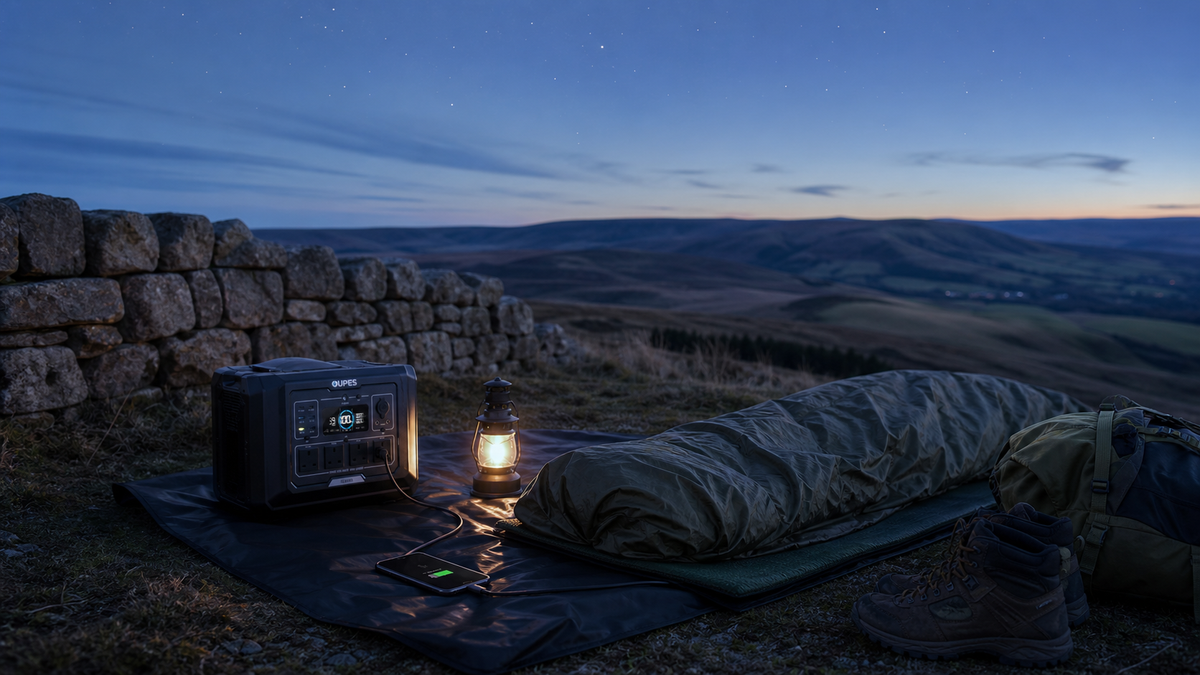
Cowboy camping means sleeping outdoors without a tent, usually on a groundsheet or bivvy setup under the open sky. It reduces shelter weight and offers an immersive experience, but leaves the sleeper more exposed to rain, wind, dew, insects and temperature changes.
In the UK, use it only with a favourable forecast, appropriate access or landowner permission, a waterproof bivvy or emergency shelter and a clear retreat plan. It is a weather-dependent technique, not simply a way to leave the tent at home.
Key Facts
A minimalist shelter still needs ground insulation and a sleep system matched to the overnight low.
| Item | Purpose | Minimum Check | Why It Matters |
|---|---|---|---|
| Sleeping mat | Ground insulation | Seasonal R-value or suitability | Ground can remove heat rapidly |
| Sleeping bag or quilt | Body insulation | Comfort rating for forecast | Temperature can fall below prediction |
| Bivvy or groundsheet | Moisture and dirt barrier | Breathability and waterproofing | Dew and condensation |
| Emergency tarp | Rapid weather protection | Anchors and setup knowledge | Forecasts can change |
How It Works
Without a tent, radiative cooling and wind are felt directly. Dew can wet exposed insulation even when no rain is forecast, and a waterproof bivvy can accumulate condensation if ventilation is poor.
Site selection should avoid hollows, flood channels, dead branches, livestock routes and fragile vegetation. A slight durable rise with some wind shelter is usually preferable to the lowest flat ground.
Minimalism should not remove safety margins. Navigation, first aid, communication, water and warm spare layers remain necessary.
How to Plan a Cowboy Camp
Check overnight temperature, wind, rainfall and warnings. Confirm access rights, identify water and the exit route, then test the complete sleep system in controlled conditions before a remote trip.
Lay out a groundsheet no larger than necessary, place the insulated mat above it and keep footwear and essential equipment protected from dew. Know how to deploy the emergency shelter in darkness.
| Condition | Suitable? | Required Adjustment | Abort Trigger |
|---|---|---|---|
| Dry, calm, mild | Potentially suitable | Normal bivvy setup | Unexpected warning or access issue |
| Light dew expected | Suitable with preparation | Protect insulation and ventilate | Wet sleep system |
| Strong wind | Poor choice | Use a real shelter or protected site | Loss of warmth or gear control |
| Heavy rain or thunderstorms | Not suitable | Use robust shelter | Move before exposure |
Compare the Main Options
Cowboy camping is one point on a shelter spectrum.
| Shelter | Weight | Weather Protection | Best Fit |
|---|---|---|---|
| Open groundsheet | Lowest | Very low | Stable dry conditions |
| Waterproof bivvy | Low | Moderate | Fast overnight stops |
| Tarp and bivvy | Moderate | Good when pitched well | Variable rain |
| Tent | Higher | Best all-round enclosure | Changeable UK weather |
UK Planning Considerations
Access and wild-camping rules differ between England, Wales, Scotland and Northern Ireland and across specific land. Obtain permission where required and follow local restrictions.
Use durable surfaces, keep group size small, avoid fires and remove all waste. If the weather deteriorates, moving to a tent, bothy, vehicle or other safe shelter is good judgement rather than failure.
For the underlying UK guidance or current figures, check UK government open-access guidance. Published tariffs, standards and safety advice can change, so verify the source again before acting.
Relevant OUPES UK Options
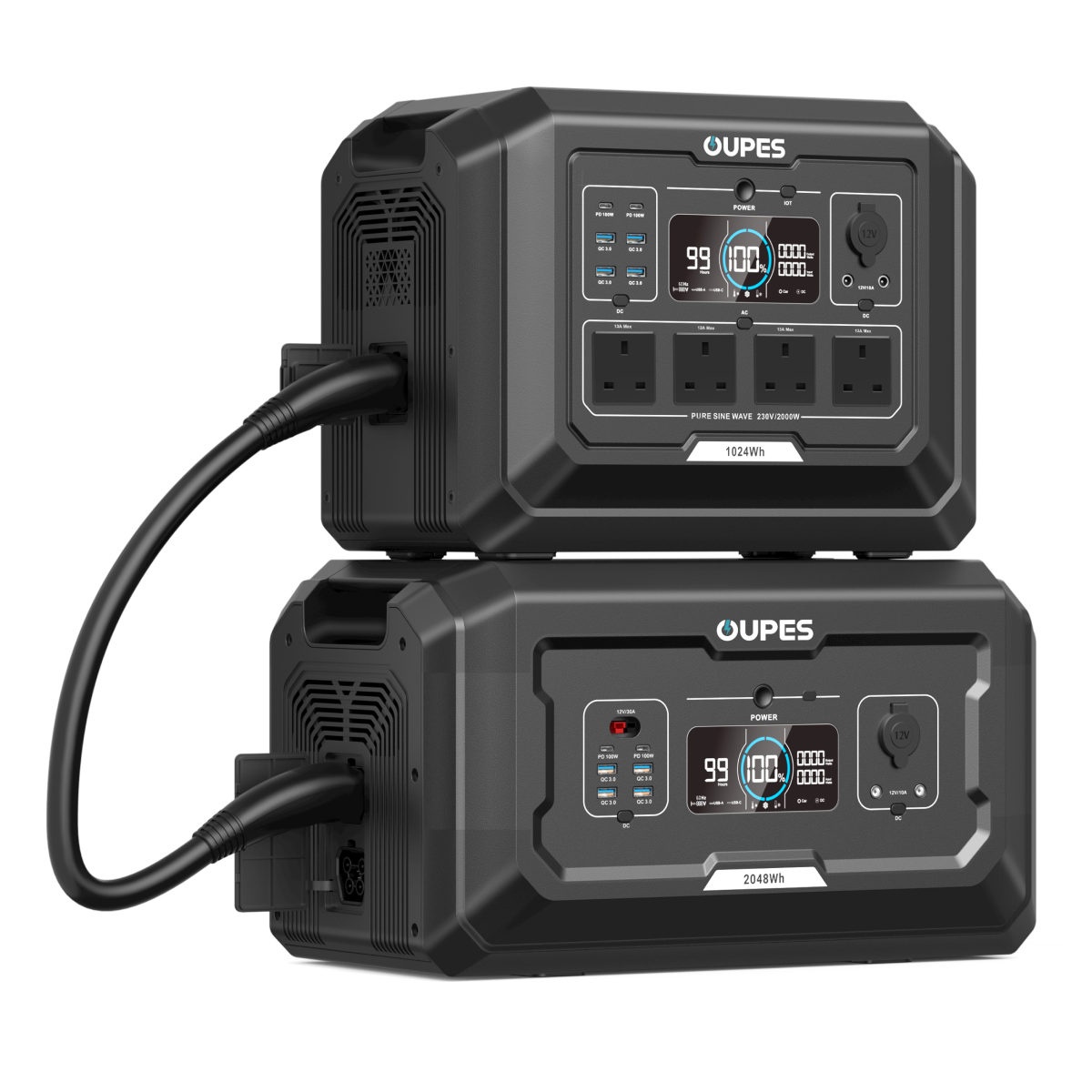
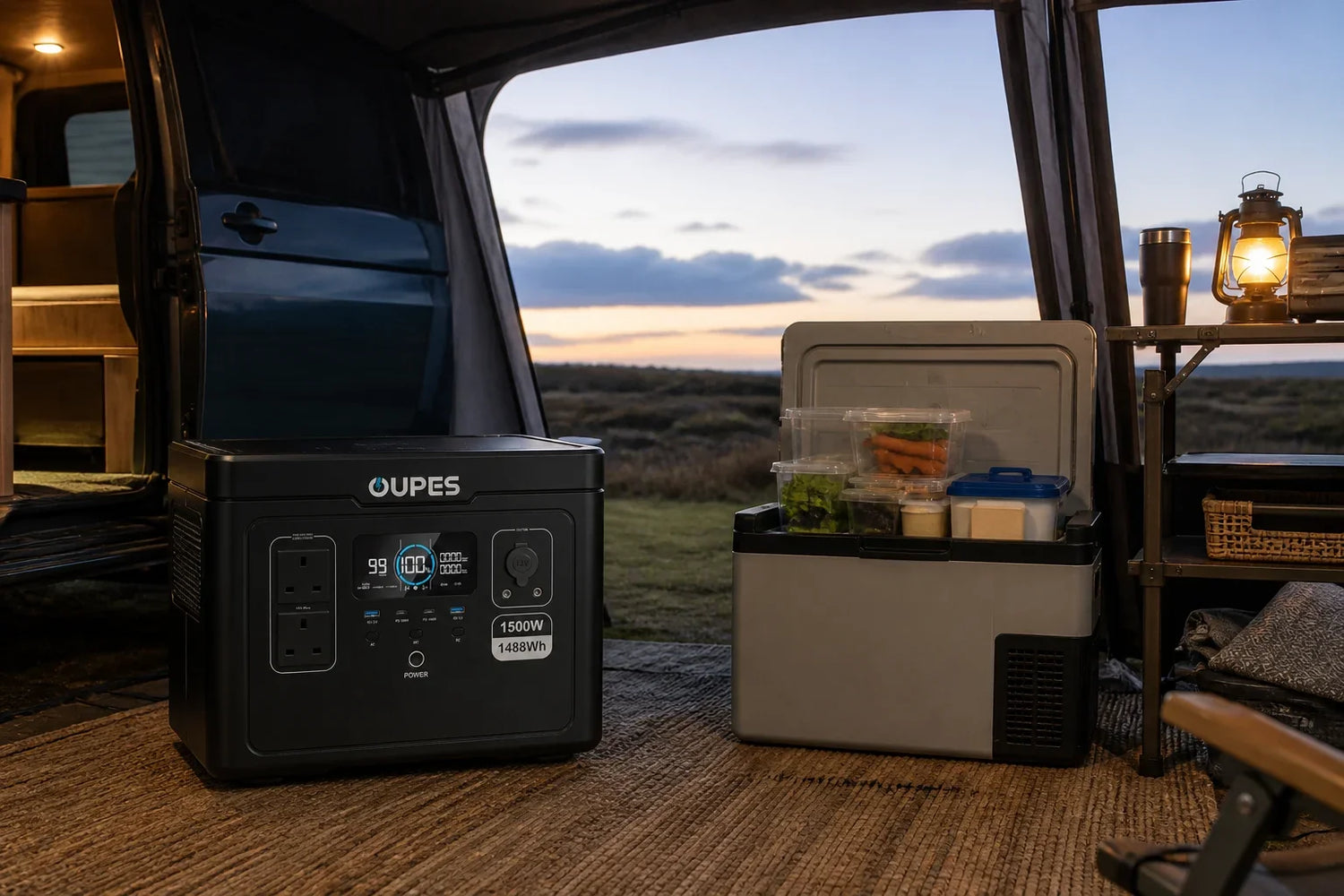
This topic does not require buying a power station. If portable energy is part of the wider plan, compare the OUPES UK portable power station range from measured watts, watt-hours and connector requirements rather than from the article topic alone.
| Question | Why It Matters | Action |
|---|---|---|
| What must be powered? | Prevents unnecessary capacity | List only essential devices |
| How many watt-hours are needed? | Determines approximate duration | Multiply average watts by hours |
| How will it recharge? | Stored energy is finite | Check AC, vehicle and supported solar input |
Practical Checklist
Cowboy camping checklist:
- Forecast and weather warnings checked.
- Legal access or permission confirmed.
- Insulated mat and suitable sleeping bag.
- Bivvy or emergency tarp tested.
- Dry spare layer and waterproof shell.
- Charged phone, navigation and retreat route.
Safety and Limitations
Do not camp beneath dead branches, on flood-prone ground or close to unstable cliffs and water edges. Protect food where wildlife or livestock may be present.
Do not use combustion heaters in a bivvy or enclosed micro-shelter. If shivering persists or coordination and judgement deteriorate, seek shelter and warmth immediately.
Final Verdict
Cowboy camping is rewarding in settled weather for experienced campers with the right sleep system and an emergency shelter. UK conditions change quickly, so permission, ground insulation, moisture control and a retreat plan are non-negotiable.
Frequently Asked Questions
1. What is cowboy camping?
Sleeping outside without a tent, usually with a mat, sleeping bag and ground or bivvy protection.
2. Is cowboy camping legal in the UK?
It depends on location and land access; obtain permission and follow local rules.
3. Do I need a bivvy bag?
It provides moisture and wind protection, but breathability and condensation must be managed.
4. What if it rains?
Deploy a tested shelter or move to safer accommodation before the sleep system becomes wet.
5. Is a sleeping mat necessary?
Yes, ground insulation is critical even when the air feels mild.
6. Can beginners try it?
Start in controlled, familiar conditions near an easy retreat and carry full weather protection.

Leave a comment
This site is protected by hCaptcha and the hCaptcha Privacy Policy and Terms of Service apply.